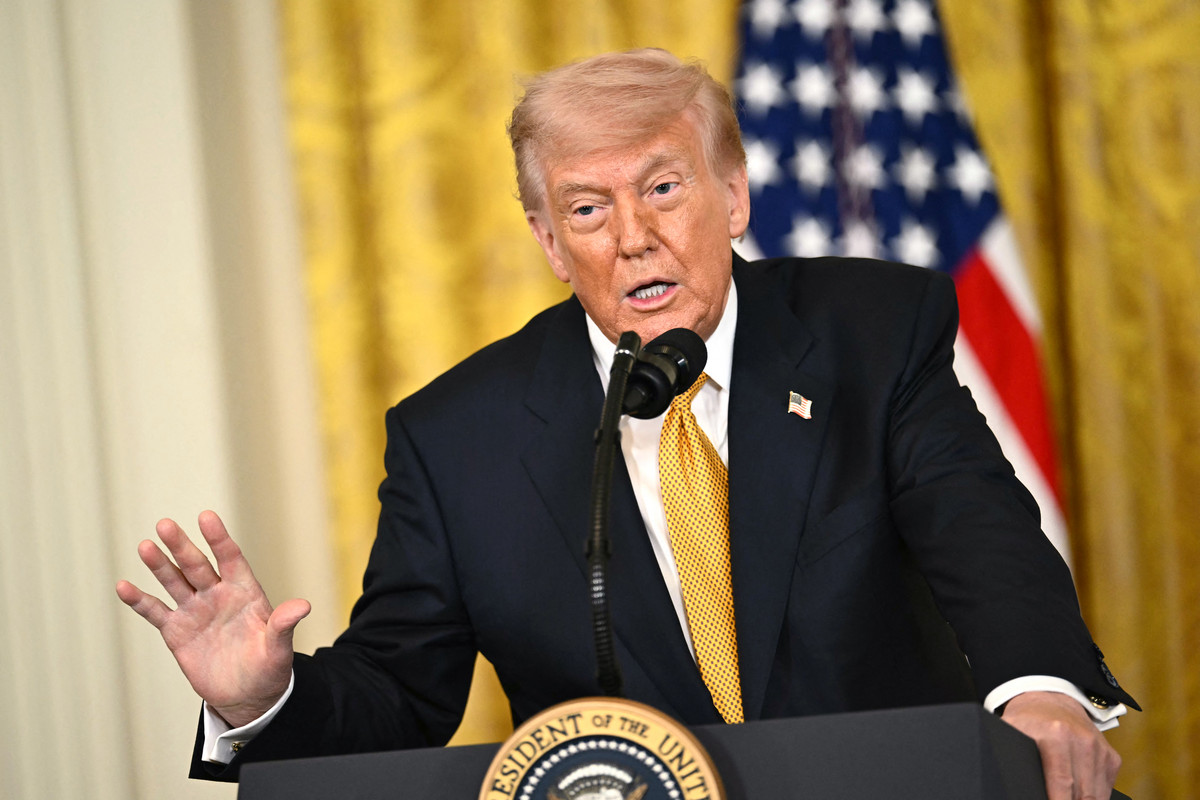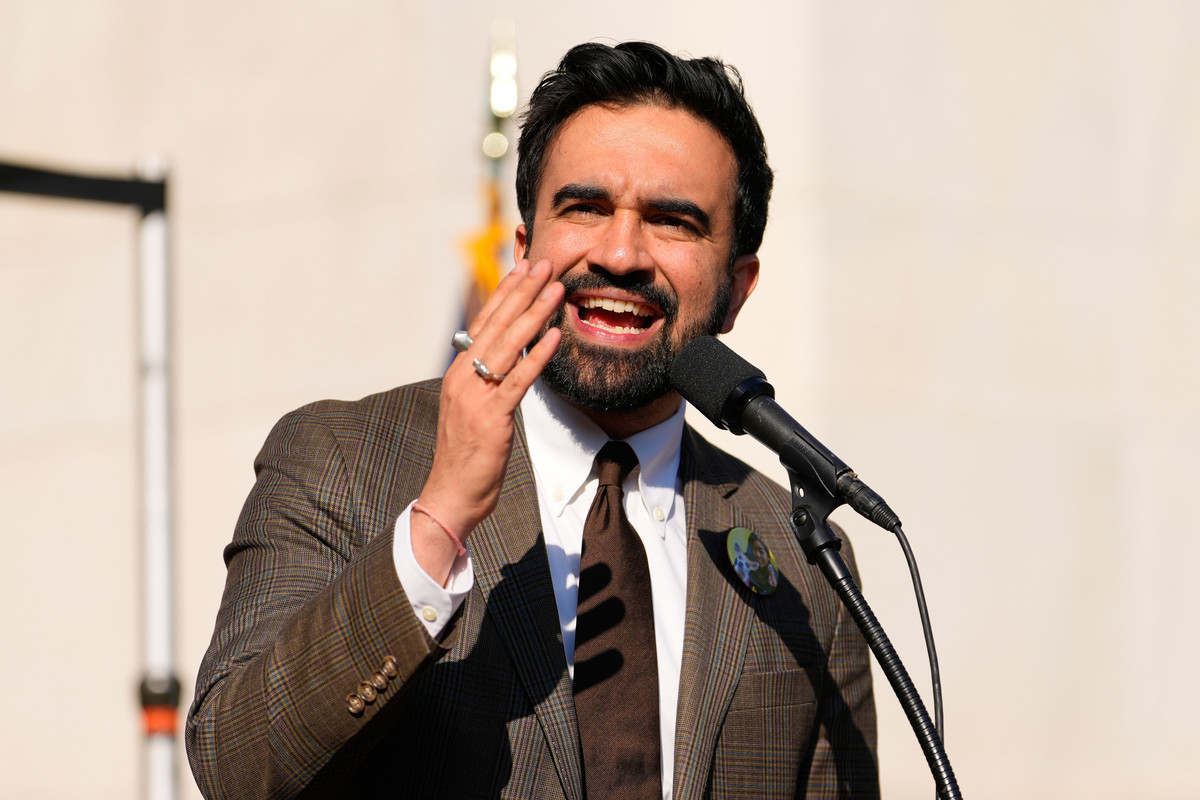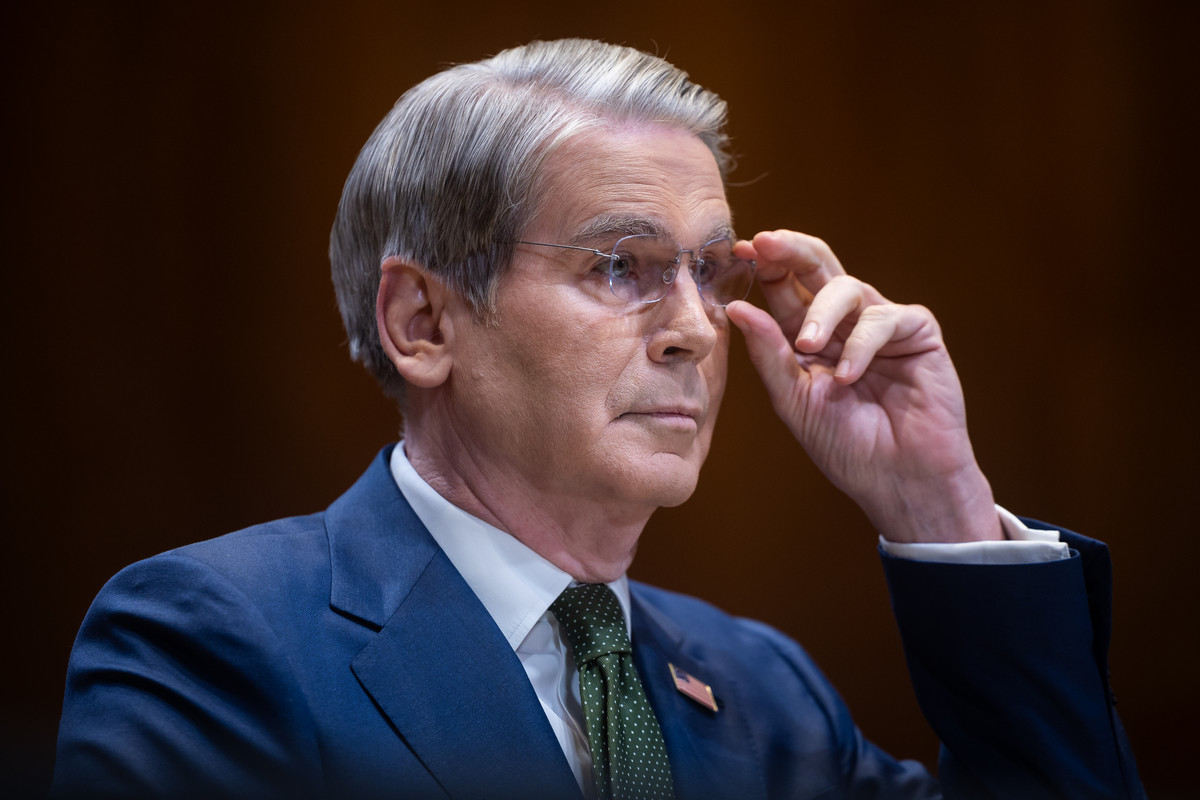
Treasury Secretary Scott Bessent hosted the meeting on Tuesday, which included Vice President JD Vance, chief of staff Susie Wiles, Chevron chief executive Mike Wirth and executives from commodity trading firms Trafigura, Vitol and Mercuria, according to three people with knowledge of the private discussions. The gathering was the latest sign of mounting concern inside the administration over the economic and political fallout from the standoff with Tehran.
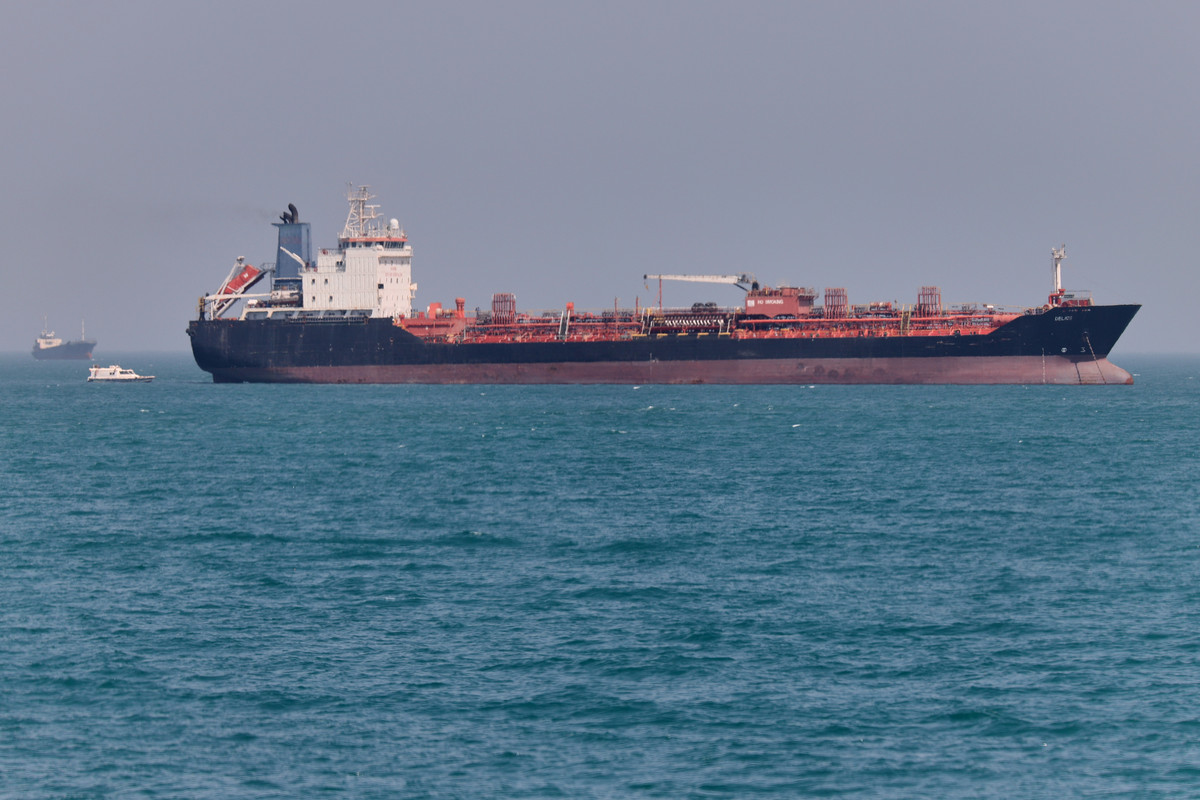
The blockade, designed to choke off Iranian oil revenues and force the country to negotiate, has instead triggered a broader energy crisis. Iran has responded by threatening shipping through the Strait of Hormuz, a narrow waterway that handles roughly a fifth of the world’s petroleum. U.S. crude oil prices climbed back above $100 per barrel this week, reaching nearly $107 on Wednesday, about $38 higher than the day the confrontation escalated.
Pressure on domestic supplies
Rising fuel costs have become a serious political liability for Republicans. The national average for a gallon of regular gasoline now stands at $4.22, according to AAA, marking the highest price since Trump took office. The surge is being driven not only by the disruption of Persian Gulf shipments but also by tightening domestic supplies.
The Energy Information Administration reported that U.S. gasoline inventories fell by 6.1 million barrels last week, dropping 2 percent below the five year average for this time of year. Distillate fuel inventories, which include diesel and jet fuel, decreased by 4.5 million barrels in the same period. Record petroleum exports and flat domestic oil production have accelerated the drawdown, according to the agency’s latest status update.
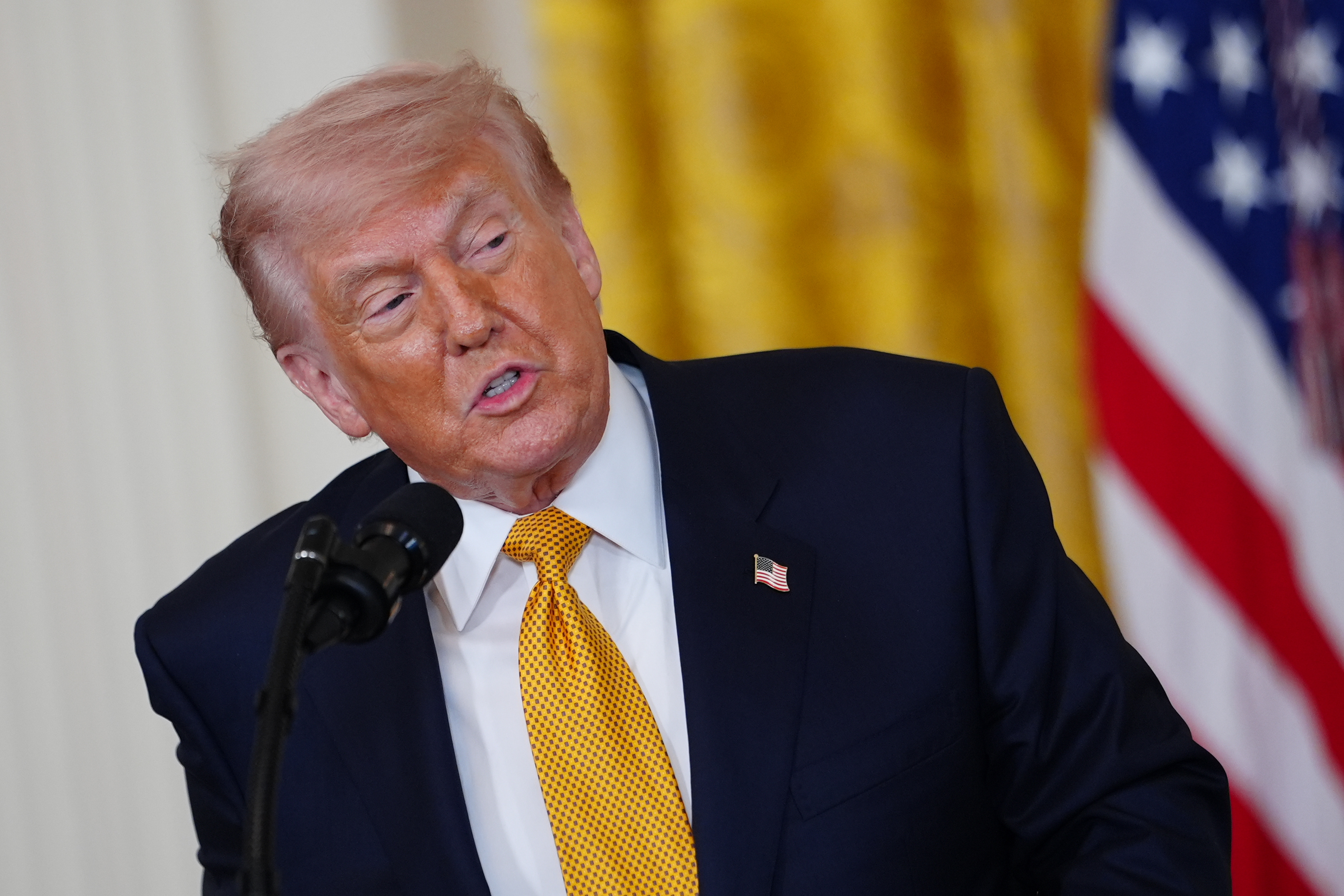
A White House official said the executives discussed domestic production, progress in Venezuela, oil futures, natural gas and shipping. “They discussed the steps President Trump has taken to alleviate global oil markets and steps we could take to continue the current blockade for months if needed and minimize impact on American consumers,” the official said.
The meeting underscored the delicate balancing act facing the administration as it tries to maintain maximum pressure on Iran without crippling the U.S. economy. With gasoline prices climbing and midterm elections approaching, the White House is increasingly turning to industry executives for strategies to keep fuel costs from spiraling further.