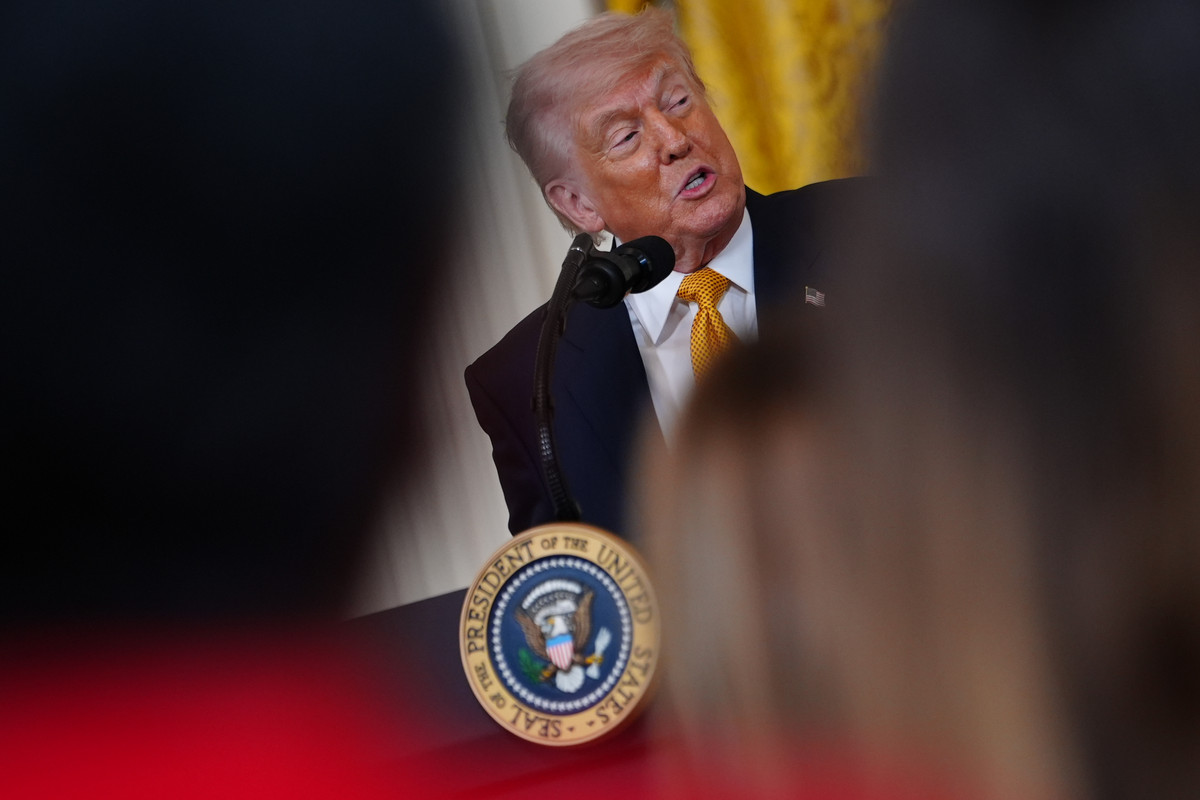
Nearly a year later, with that handshake deal still unratified, Trump has issued a two-month ultimatum: enact the agreement by July 4, or face tariffs raised to “much higher levels.”
Trump delivered the deadline in a social media post on Thursday, describing a phone call with von der Leyen in which he said he pressed for swift action. “I agreed to give her until our Country’s 250th Birthday or, unfortunately, their Tariffs would immediately jump to much higher levels,” the president wrote. The post escalated a simmering dispute over the so-called Turnberry Accord, named for the Trump-owned Scottish resort where the framework was negotiated.
The accord, reached last summer, was designed to ease transatlantic trade tensions. Under its terms, the European Union agreed to remove tariffs on U.S. industrial goods and commit billions of dollars in investments to American energy and other industries. In exchange, the United States would lower its own tariffs on European products. But implementation has stalled as EU negotiators and member-state governments have failed to agree on the specifics of the deal.
Von der Leyen offered a more measured account of the call, writing on social media that the conversation covered the war in the Middle East and touched on trade. “We remain fully committed, on both sides, to its implementation,” she said. “Good progress is being made towards tariff reduction by early July.” Her statement did not reference the president’s July 4 deadline.
The ultimatum comes as the Trump administration has grown increasingly frustrated with what it views as Europe’s slow-footed approach to finalizing the agreement. Last week, Trump threatened to raise tariffs on European automobiles to 25 percent, a move that would hit a cornerstone of the EU’s export economy. In an interview Thursday, U.S. Trade Representative Jamieson Greer underscored the administration’s impatience, noting that the time for deliberation had passed.
Friction Over Implementation
The standoff reflects a broader pattern in Trump’s trade policy, which has relied on tariff threats as leverage to force negotiating partners to the table. The president has frequently expressed skepticism of multilateral trade agreements, preferring bilateral deals that he argues give the United States more control. The Turnberry Accord was hailed by both sides as a breakthrough at the time, but its failure to move from handshake to binding text has exposed the limits of that approach.
European officials have privately cited disagreements among member states over how to distribute the costs and benefits of the deal, as well as concerns about the timing of tariff reductions. The July 4 deadline, which coincides with the 250th anniversary of American independence, adds a layer of political symbolism to the economic pressure. If no agreement is reached by then, Trump has promised that European goods entering the U.S. market will face tariffs at levels that his administration has described as punitive.