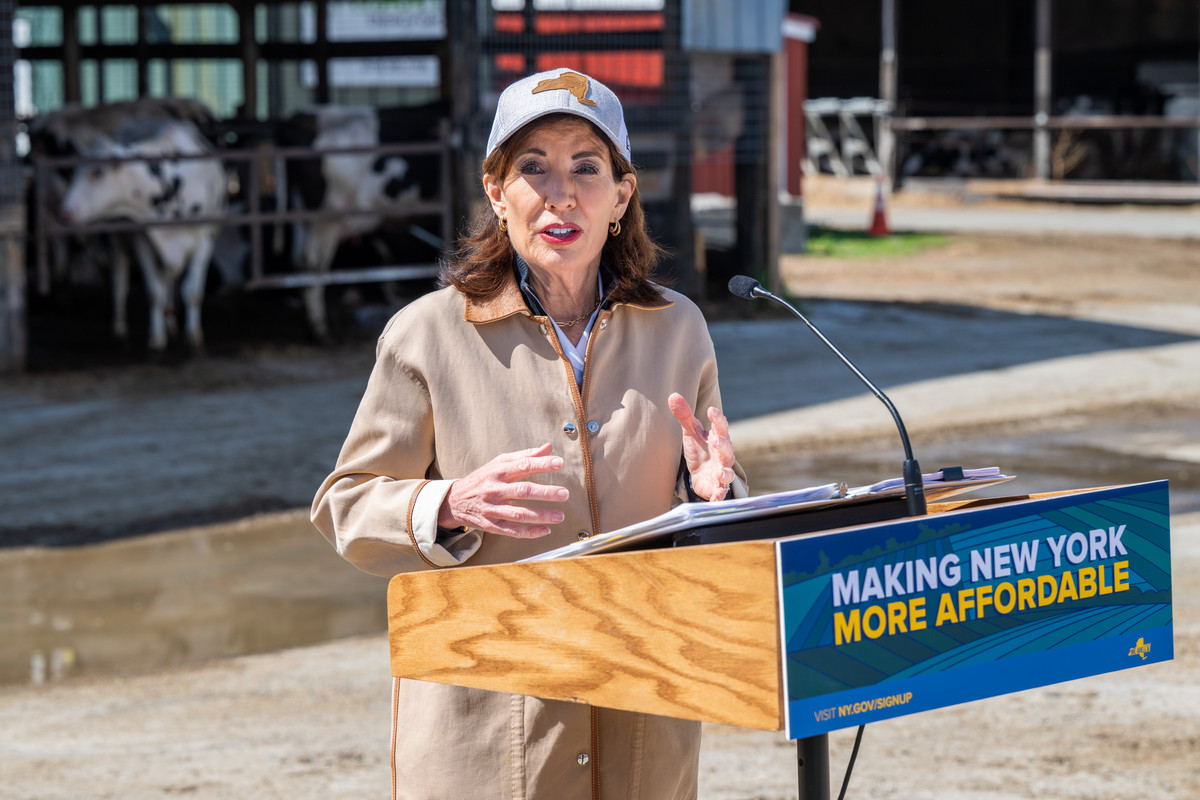
The agreement, she said, was designed to confront two towering forces shaping the lives of New Yorkers: the rising cost of everyday goods and the sweeping deportation machinery of the Trump administration.
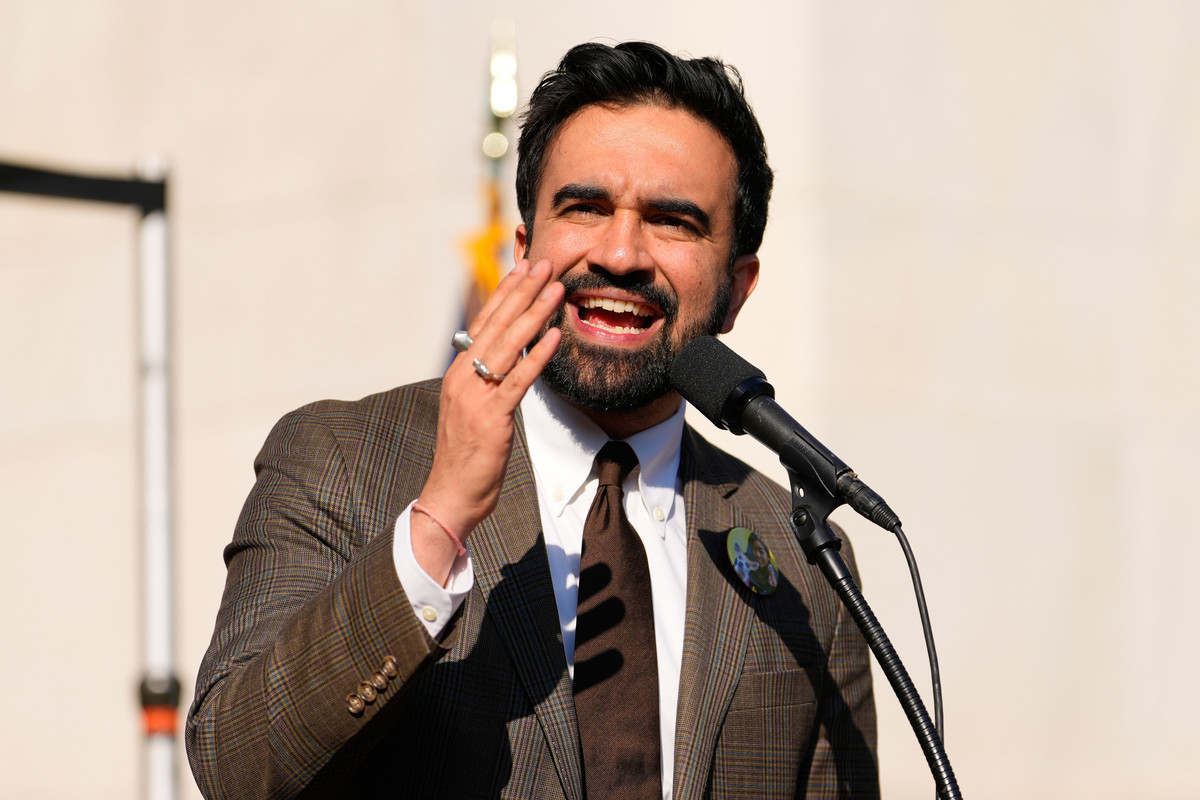
The fiscal package, which must still be approved by the Democratic-controlled Legislature, includes a new annual surcharge on luxury non-primary residences in New York City, a move aimed at generating revenue for a city facing significant financial headwinds under Mayor Zohran Mamdani. It also contains a suite of legal protections for undocumented immigrants, provisions explicitly drafted to place constraints on President Donald Trump's expansive deportation efforts.
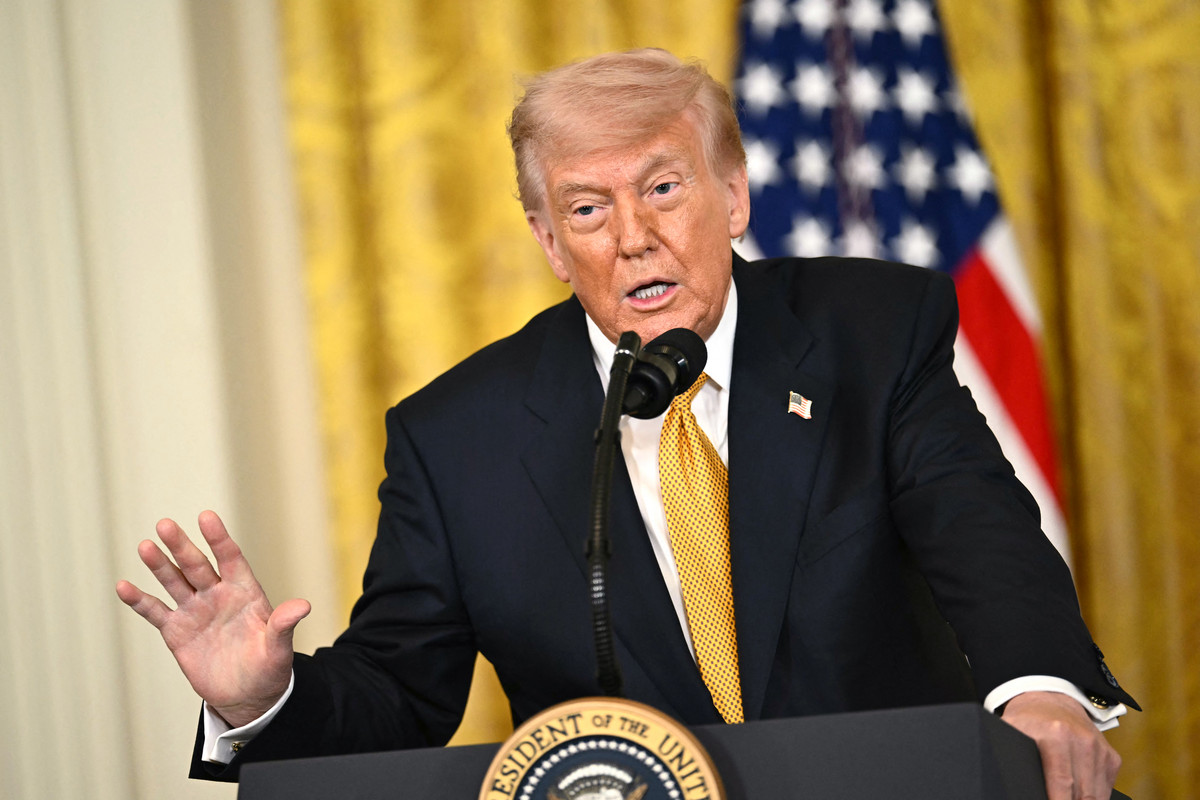
Hochul, who is preparing for her reelection campaign this year, framed the budget as a direct response to what she described as federal failures. She pointed to spiking gasoline prices in the wake of the Iran war as evidence that Washington had not delivered on its promises. "The powerful in Washington have made life harder for New Yorkers and not easy," she said at the news conference. "Remember when they pledged to bring costs down? It wasn't that long ago. Washington didn't deliver."
Details Remain Fluid as Final Votes Loom
Despite the governor's announcement, much of what she outlined on Thursday remains provisional. The finer details on education aid, including funding for New York City's public school system, the largest in the nation, have not been fully resolved. The specifics of the proposed luxury housing surcharge, including the exact threshold for what constitutes a high-value property and the precise annual fee, are still being negotiated.
A significant pension change that would add more than $1 billion in combined annual costs for the state, local governments and school districts also remains undetermined. The total spending figure of $268 billion is itself subject to change and may inch upward in the coming days, an indication of how many elements of the agreement are not yet locked down.
The delay in passing the budget, which was due on March 31, reflects the treacherous political terrain Hochul must navigate. She is balancing the demands of a progressive Legislature eager to shield immigrants and tax the wealthy against the anxieties of moderate voters who have made the cost of living the central issue of the 2026 election cycle. The governor blamed the late agreement on the complexity of the negotiations and the need to respond to rapidly shifting federal policies.
Lawmakers are expected to vote on the final spending bills in the coming days. Until then, the precise contours of the budget, and whether it can deliver on Hochul's promise to make life easier for New Yorkers, remain an open question.