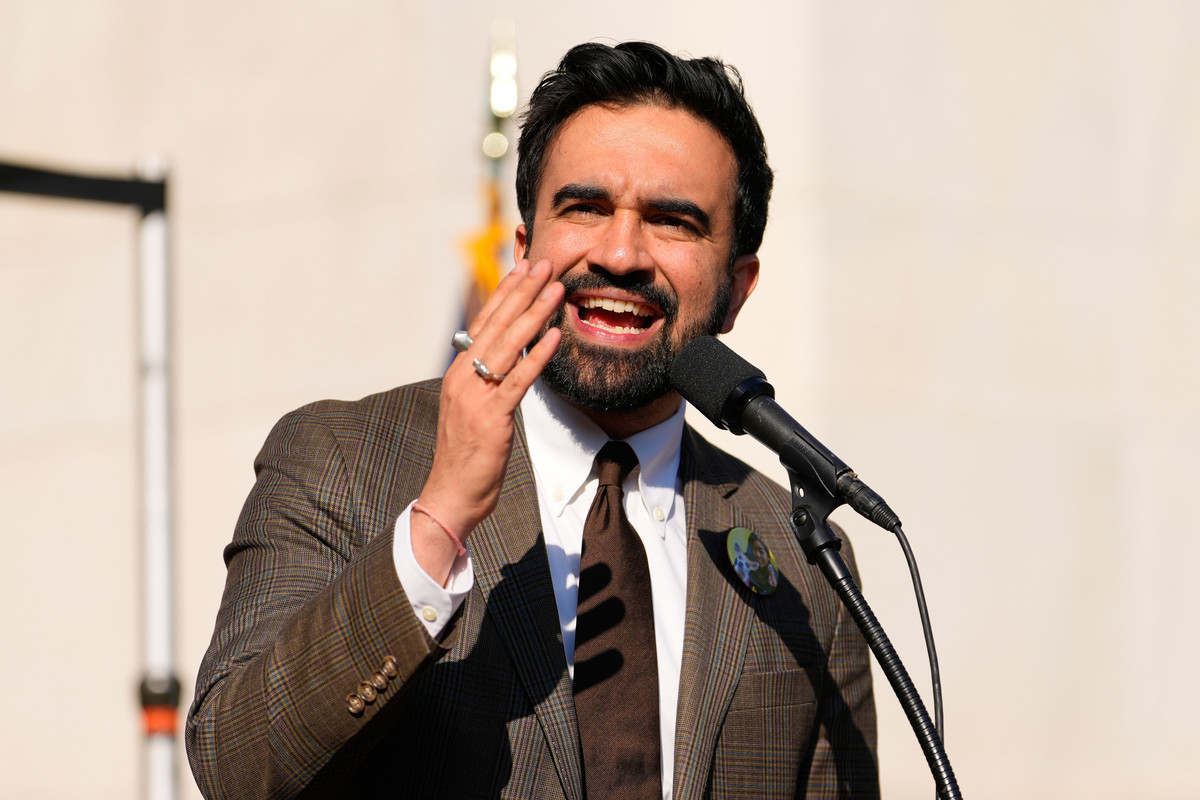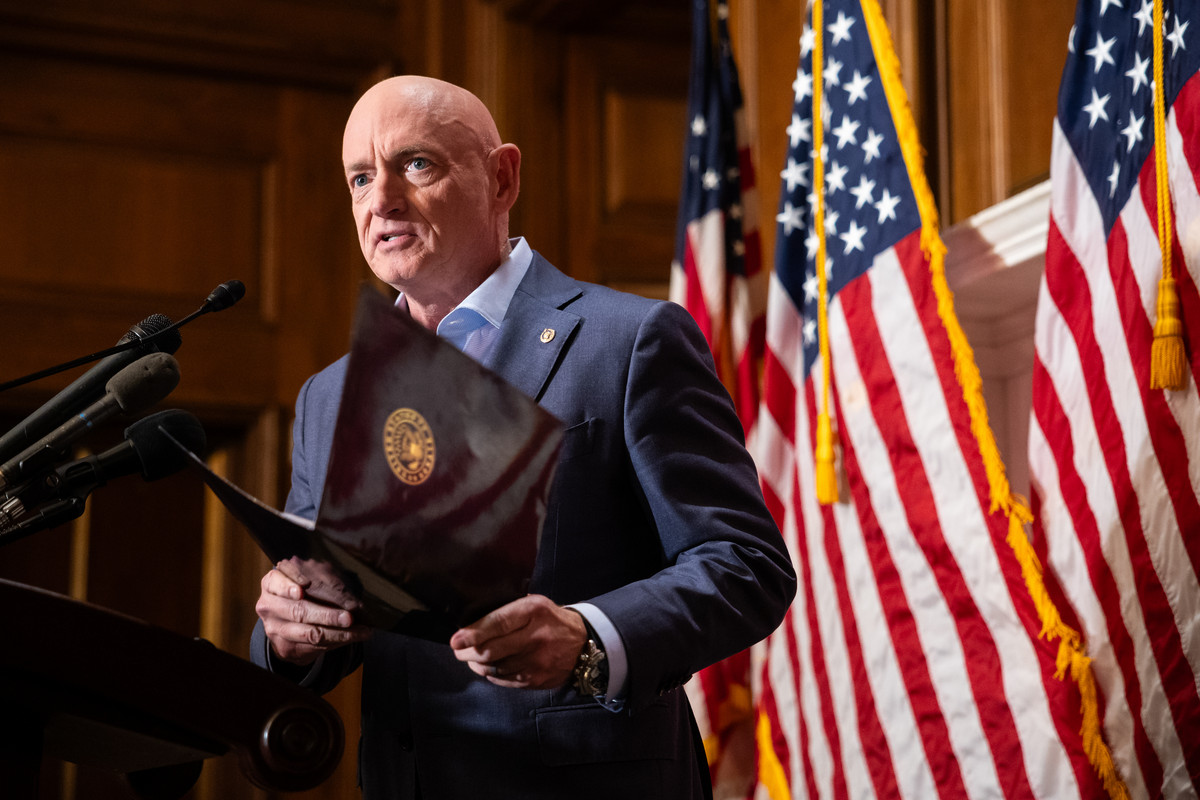
Mark Kelly stood before the cameras at the U.S. Capitol on a chilly December afternoon, a former astronaut turned Democratic senator now locked in an escalating legal battle with the Pentagon over the limits of political speech and military discipline. A federal appeals court panel appeared likely this week to reject Pentagon plans to punish Kelly for advising troops to disobey illegal orders, handing the Arizona Democrat another potential victory in a saga that has transformed him into one of the Trump administration's most visible antagonists.
The fight began in November when Kelly and five other Democratic lawmakers released a video warning that the Trump administration was "pitting our uniformed military and intelligence community professionals against American citizens." The video told troops to "refuse illegal orders" but did not specify any actions or instructions from President Donald Trump that crossed that line. Defense Secretary Pete Hegseth swiftly labeled the comments "seditious" and launched a formal probe that led to a censure and the threat of a retirement demotion and reduced benefits for Kelly, a Navy veteran.
The Pentagon's review of Kelly's military record, which could strip him of rank and pension, has turned the procedural dispute into a constitutional flashpoint. Regardless of how the appeals court rules, legal analysts expect the case to reach the Supreme Court either just before the congressional midterms or in the months after, as candidates sharpen their 2028 message over Trump's improper and potentially illegal use of the military.
The saga has elevated Kelly's national standing as he "seriously" considers a White House bid. The Arizona Democrat has turned his fight with Trump into a fundraising windfall, raking in more than $25 million over the last six months even though he is not on the ballot this year. He has leveraged the media attention into a megaphone while growing his online following, positioning himself as a leading voice against what he and his allies describe as an overreach by the executive branch.
A Rising Profile and a Looming Campaign
Kelly's trajectory mirrors a broader pattern among Democrats searching for a standard-bearer in the post-Trump era. His military background as a Navy pilot and his years as a NASA astronaut give him a national security credibility that few in his party can match. The Pentagon's attempt to punish him for political speech has only sharpened that contrast, casting Kelly as a veteran willing to challenge his own chain of command on principle.
The case also carries implications for military discipline and free speech that extend well beyond Kelly's own career. Legal experts say the Supreme Court may ultimately have to decide whether a sitting senator can be penalized by the military for comments made in a political context. The timing of that ruling could inject the Pentagon's disciplinary machinery directly into the 2026 midterm elections and the early jockeying for the 2028 presidential race.
For now, Kelly continues to press his case in the court of public opinion. His fundraising haul and growing social media presence suggest that the fight with Hegseth has energized donors and activists who see the senator as a bulwark against what they view as the administration's politicization of the armed forces. Whether that energy translates into a formal presidential campaign remains an open question, but the trajectory is unmistakable.