The exchange of fire threatened to unravel a tenuous ceasefire that President Donald Trump is pursuing as part of a comprehensive deal to end the broader conflict.
U.S. Central Command said it launched “self-defense strikes” inside Iran after Iranian forces attacked three Navy destroyers with missiles, drones and small boats. The targeted vessels were the Truxtun, the Rafael Peralta and the Mason, none of which were struck in the assault, according to the command.
In a statement, Central Command said it had eliminated the threats to the warships and described the episode as a flareup rather than a collapse of the ceasefire. “CENTCOM does not seek escalation but remains positioned and ready to protect American forces,” the statement read.
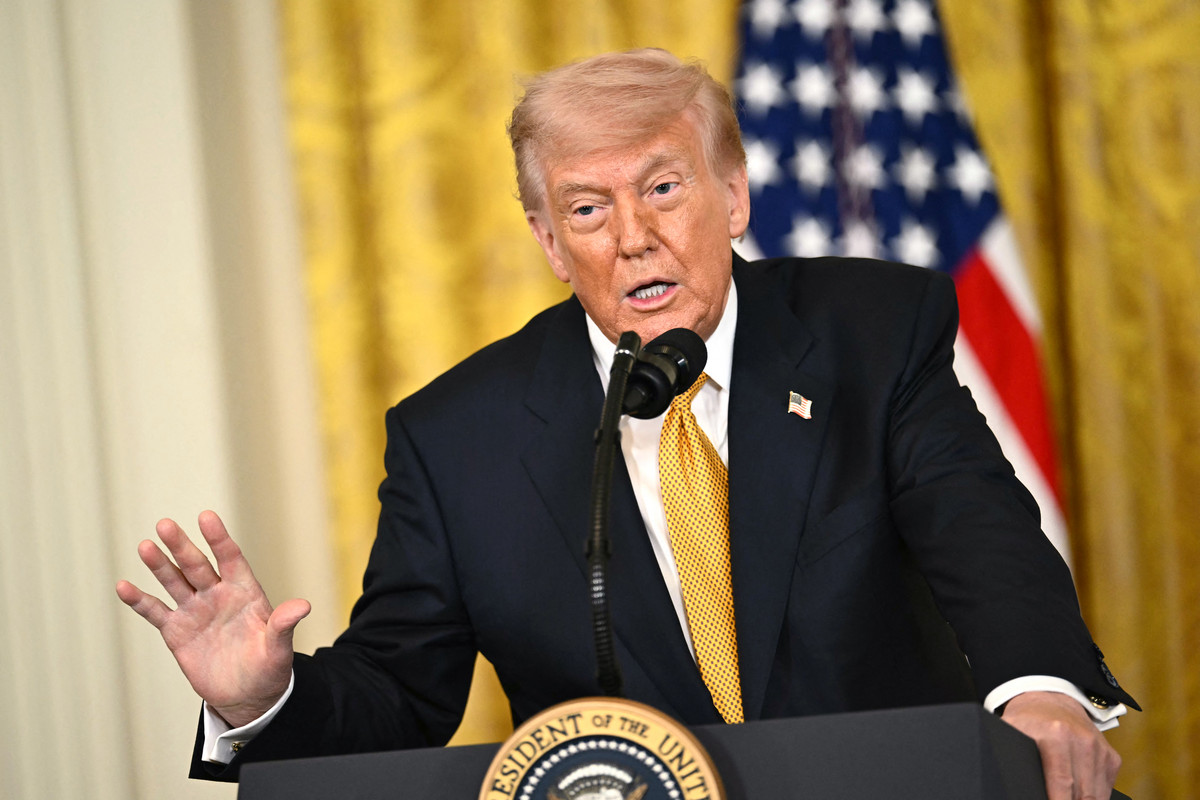
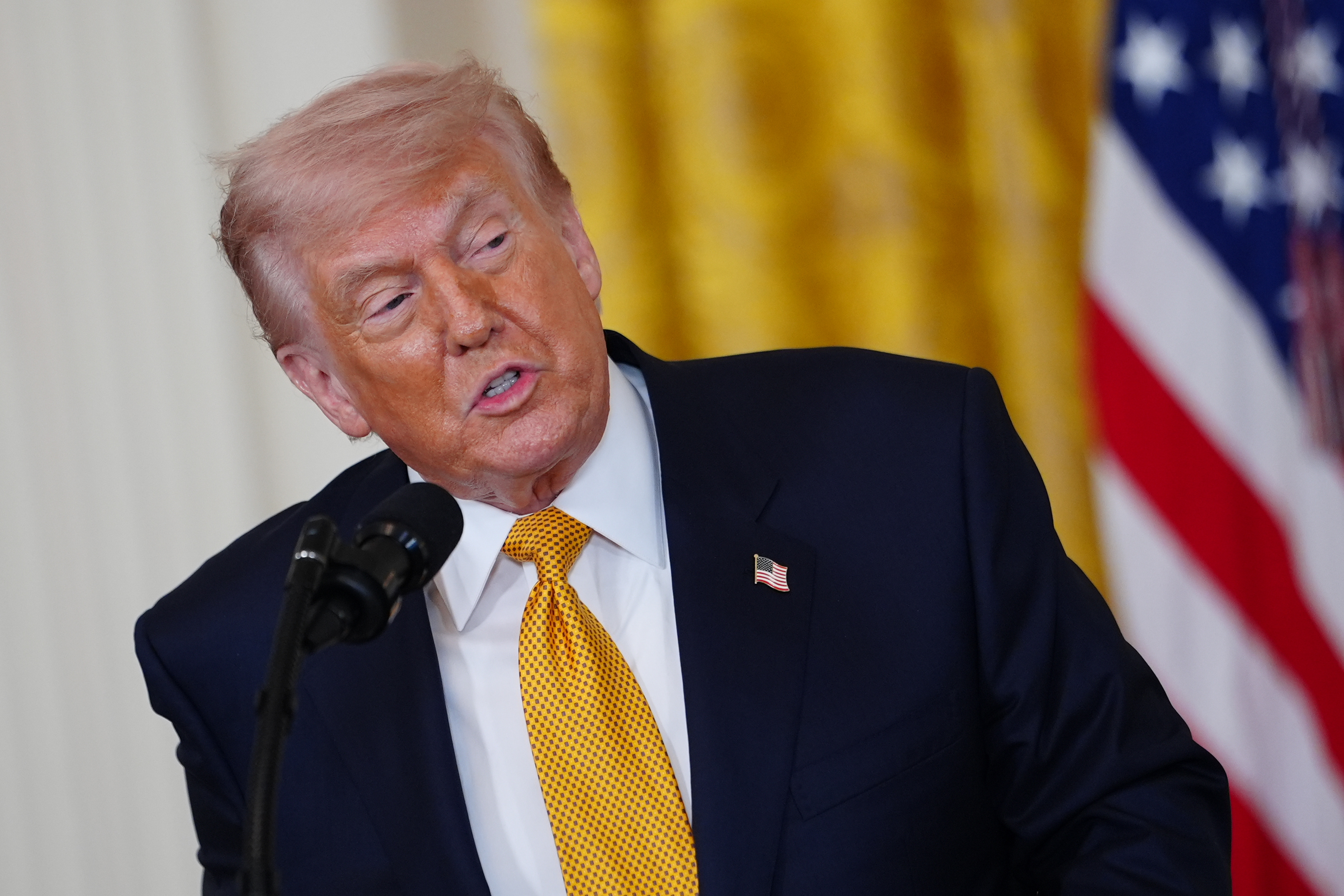
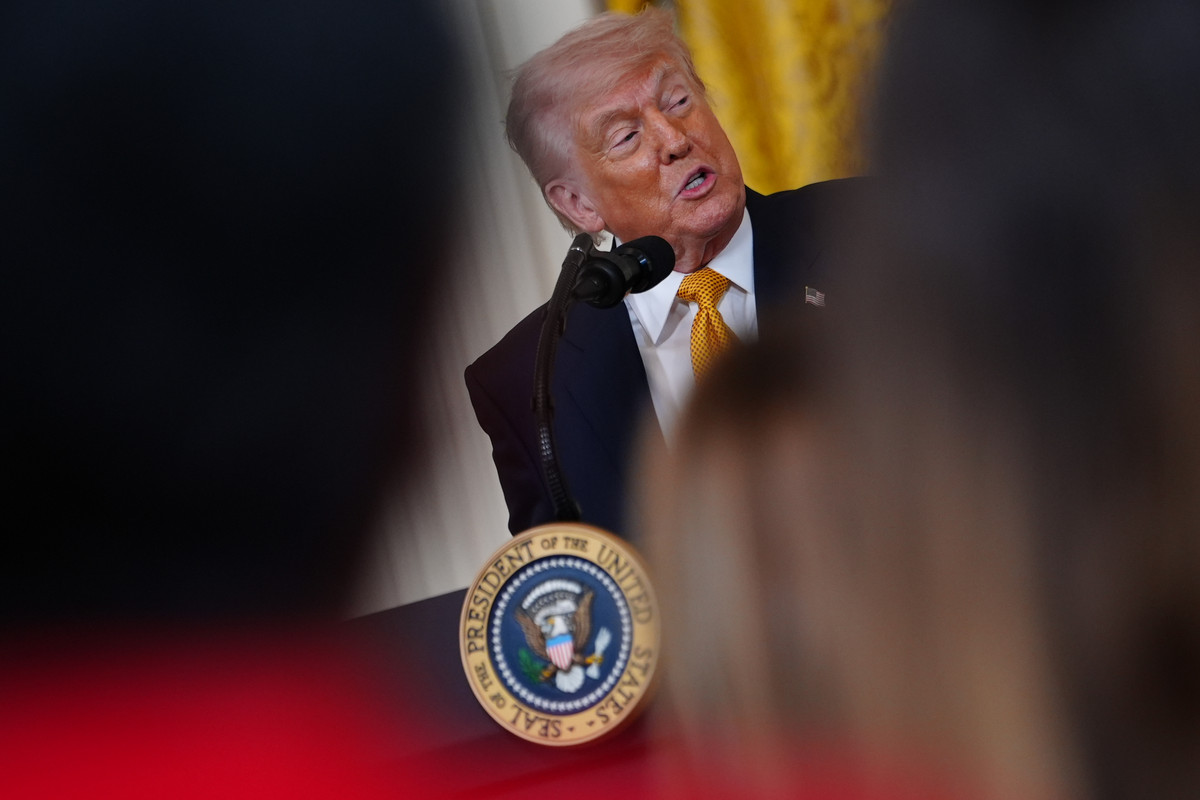
President Trump confirmed the strikes in a social media post, describing Iranian drones as getting “incinerated while in the air” before being “dropped ever so beautifully down to the Ocean, very much like a butterfly dropping to its grave.” In an interview with ABC News, he called the U.S. strikes a “love tap” and insisted that the ceasefire remains in effect.
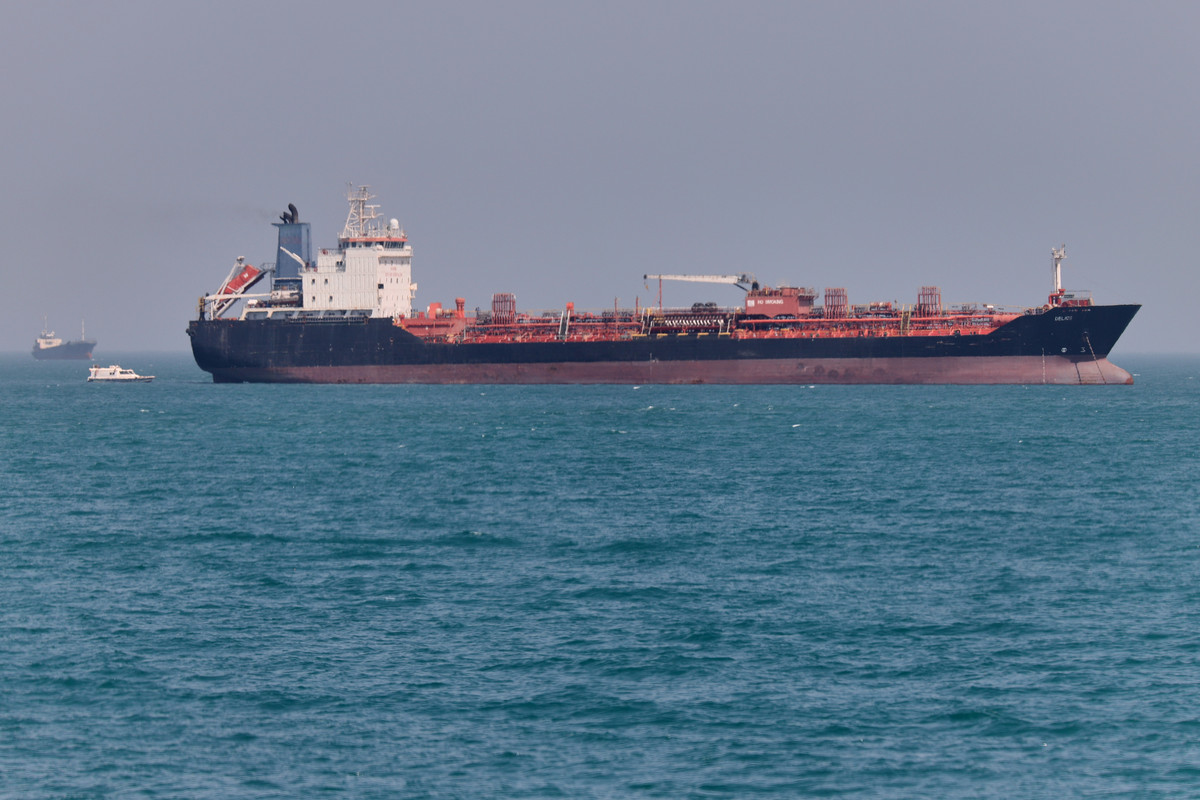
Iran accused the United States of violating the truce, saying American forces had targeted an Iranian oil tanker traveling through the strait, according to a statement carried by state media. The flurry of military activity came a day after Trump announced the U.S. would no longer escort commercial ships through the waterway, which Iran closed to most traffic at the start of the conflict.
A Second Exchange in Days
This week’s confrontation marked the second time in five days that U.S. and Iranian forces have traded fire in the strait. On Monday, Central Command head Adm. Bradley Cooper said the U.S. “blew up” six small Iranian boats in response to cruise missiles, drones and small boats attacking Navy ships. Those attacks prompted Trump to warn that Iran would be “blown off the face of the Earth” if it continued to target American vessels.
Trump issued a similar threat in his latest social media post, promising to retaliate “a lot harder, and a lot more violently” if Iran does not sign an agreement to end a war that began Feb. 28 with U.S. and Israeli strikes on the country. The dueling strikes and escalating rhetoric have left the region bracing for further volatility as diplomatic efforts hang in the balance.