“The American people universally want us to do more than what we’ve already done,” said Rep. Eric Burlison of Missouri, echoing a sentiment spreading through the party’s ranks. Affordability, he added flatly, “is the No. 1 issue that people are dealing with right now.”
The push for a new reconciliation package comes just six months before the midterm elections, a timeline that has sharpened the debate over what the GOP’s closing argument should be. While the party’s thin majorities in both chambers have long fueled skepticism about their ability to pass another major bill, the recent progress on the immigration and security measure has raised expectations that a third bite at the legislative apple might be possible.
But the path forward is anything but smooth. Republicans are deeply divided over how to address high prices, and the discussion over new party-line legislation has become entangled with a host of unrelated flashpoints. These include funding for the ongoing war in Iran, which has pushed fuel prices up roughly 50 percent in recent months, as well as battles over social service spending and a controversial elections bill that remains stalled in the Senate.
Rep. John Rutherford of Florida warned that the conflict abroad should not be allowed to dictate the domestic agenda. “I don’t want the war to sideline us because of the fuel prices back here in America,” he said, underscoring the political danger of a cost-of-living spike that voters feel at the pump.
Intraparty Fault Lines Threaten to Derail Fast-Track Process
The delicate reconciliation process, which allows the majority to bypass a Senate filibuster, has historically required near-unanimous party unity. But the GOP’s internal clashes over policy priorities have already tested that cohesion this year, and the addition of a new wishlist only heightens the risk of a collapse.
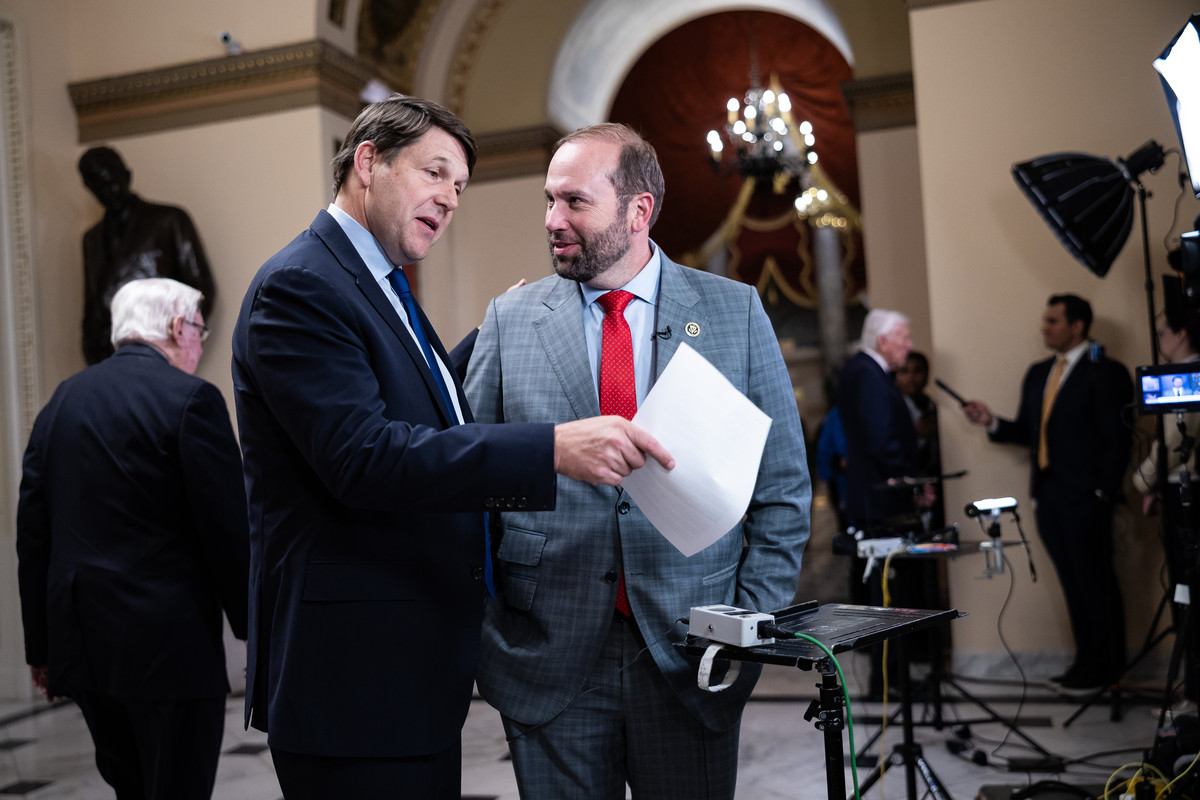
Budget Committee Chair Jodey Arrington and Ways and Means Chair Jason Smith are among the senior Republicans now dreaming up the next reconciliation blueprint. Their challenge will be to craft a package that satisfies the party’s competing wings while delivering a clear message to voters who are increasingly focused on their pocketbooks.
For many in the conference, the political imperative is simple: they need a robust agenda to run on. Without one, the prospect of heading into campaign season empty-handed has become a powerful motivator, even as the logistical and ideological obstacles to a third bill remain formidable.