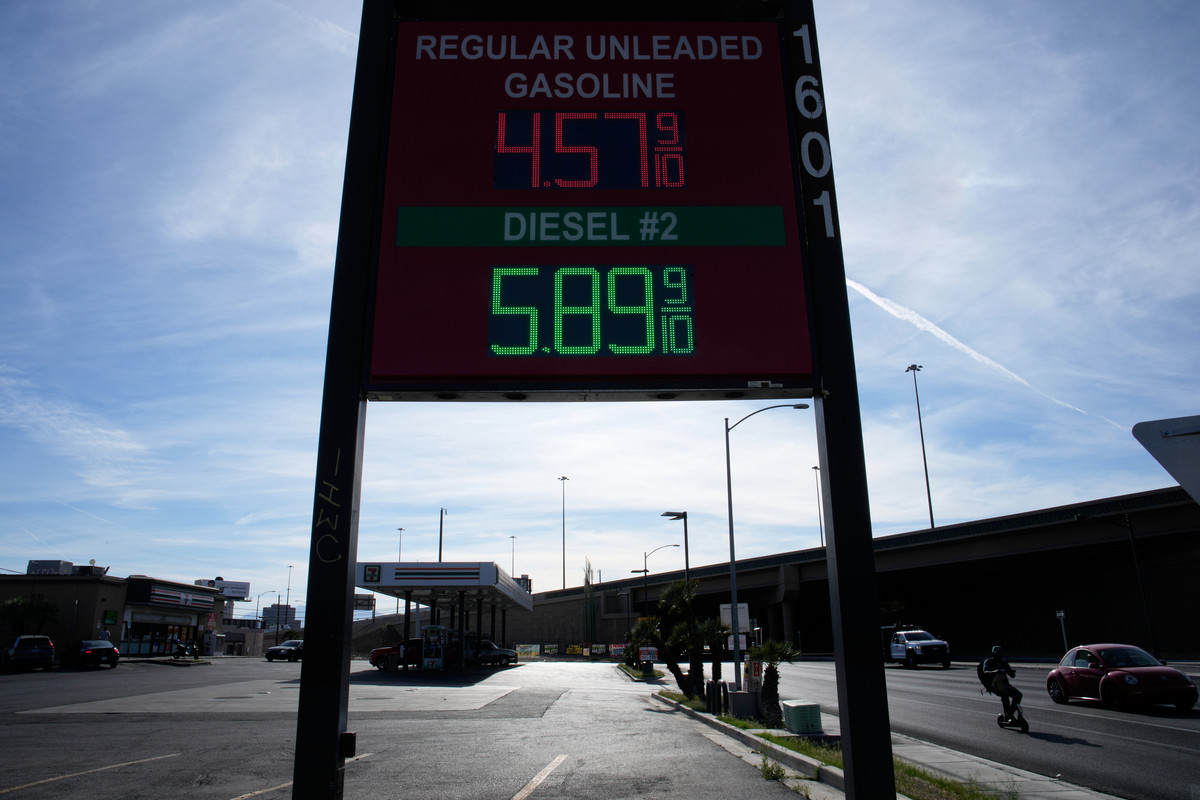
For the long-haul drivers filling their tanks there, the number signaled more than just a costly fill up. It was the leading edge of a price surge that is expected to ripple through the American economy, raising the cost of groceries, lumber, and mail delivery just as the nation barrels toward a contentious midterm election season.
While most voters track the price of regular gasoline, the spike in diesel carries a more insidious economic weight. Diesel powers the trucks, trains, and heavy machinery that move nearly every physical good across the country. When its price jumps, the cost of transporting everything from homebuilding materials to cereal boxes rises in turn. Analysts warn that the increase, which saw prices jump nearly 30 cents in the last week alone, will soon be felt on store shelves and in rent bills, adding new fuel to voter anger over the rising cost of living.
The timing poses a significant political threat to President Donald Trump and his party. Democrats are expected to retake the House and possibly the Senate, and strategists say the diesel price hike could accelerate that shift. “The price of everything has gone up, Trump promised just the opposite,” said Chuck Coughlin, a veteran Republican strategist and president of HighGround. “He’s gonna pay a price at the polls.” Coughlin noted that voters may not understand the mechanics of diesel supply chains, but they will hold the party in power responsible for the higher bills.
Administration officials have maintained that their energy policies have shielded Americans from the worst of the shocks caused by the war in Iran, now more than two months old. On Monday, Treasury Secretary Scott Bessent described the fuel price increases as a “short-term blip” and a “temporary aberration” that would resolve in weeks or months. “President Trump has always been clear that these are short-term, temporary disruptions,” Bessent told Fox News, adding that prices will plummet once traffic normalizes in the Strait of Hormuz.
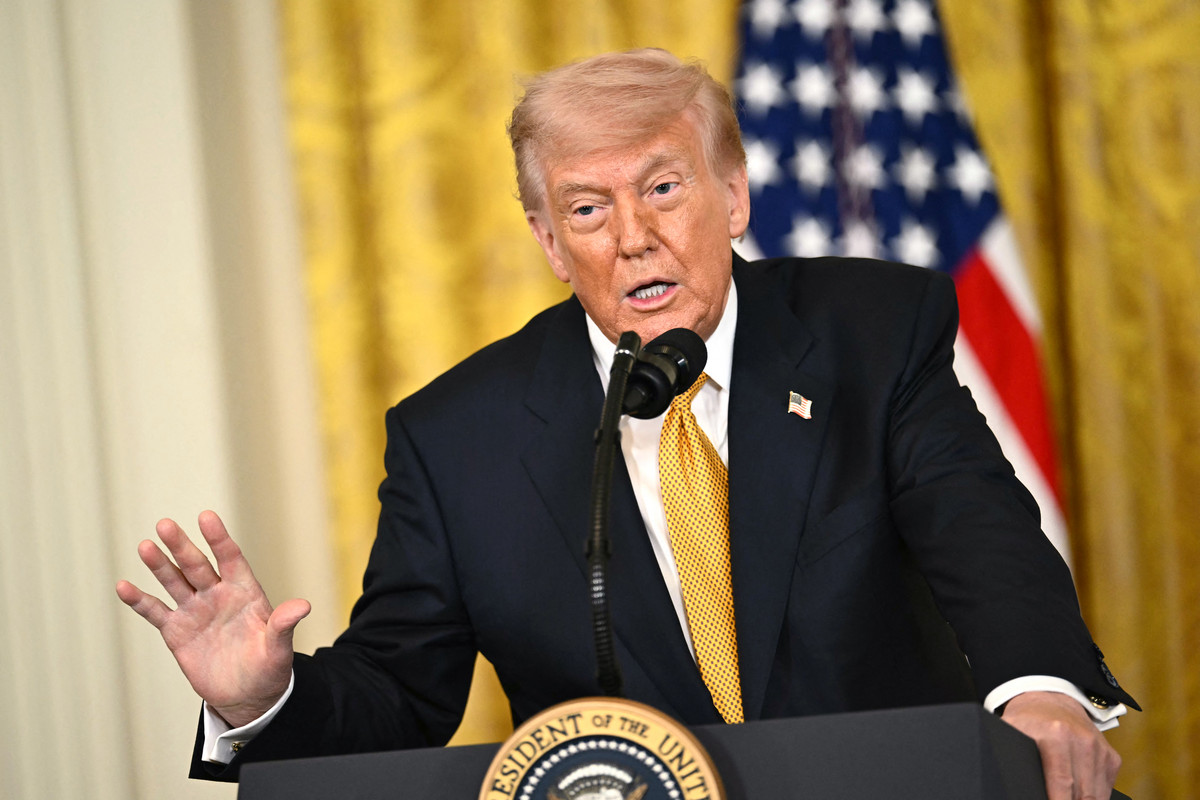
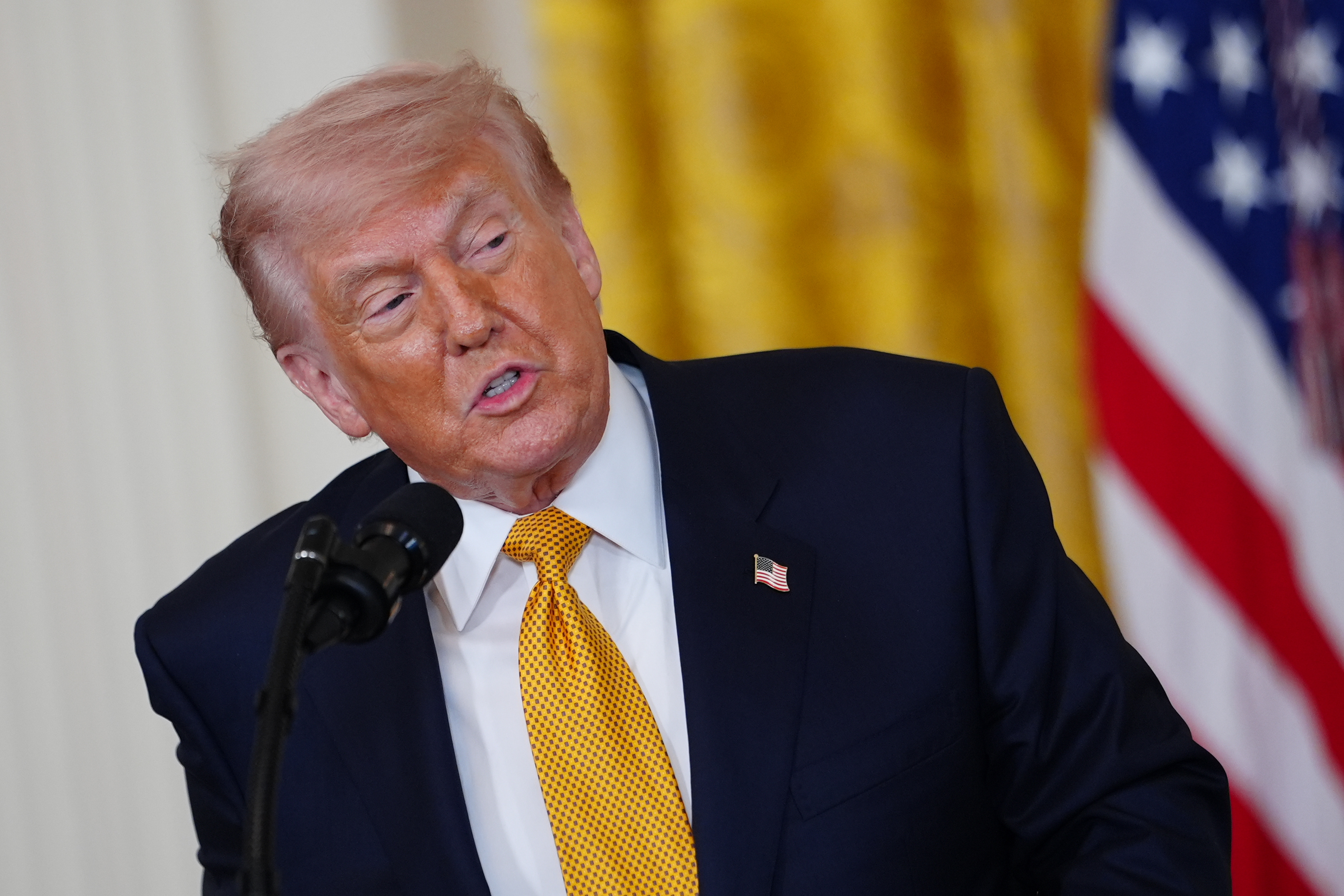
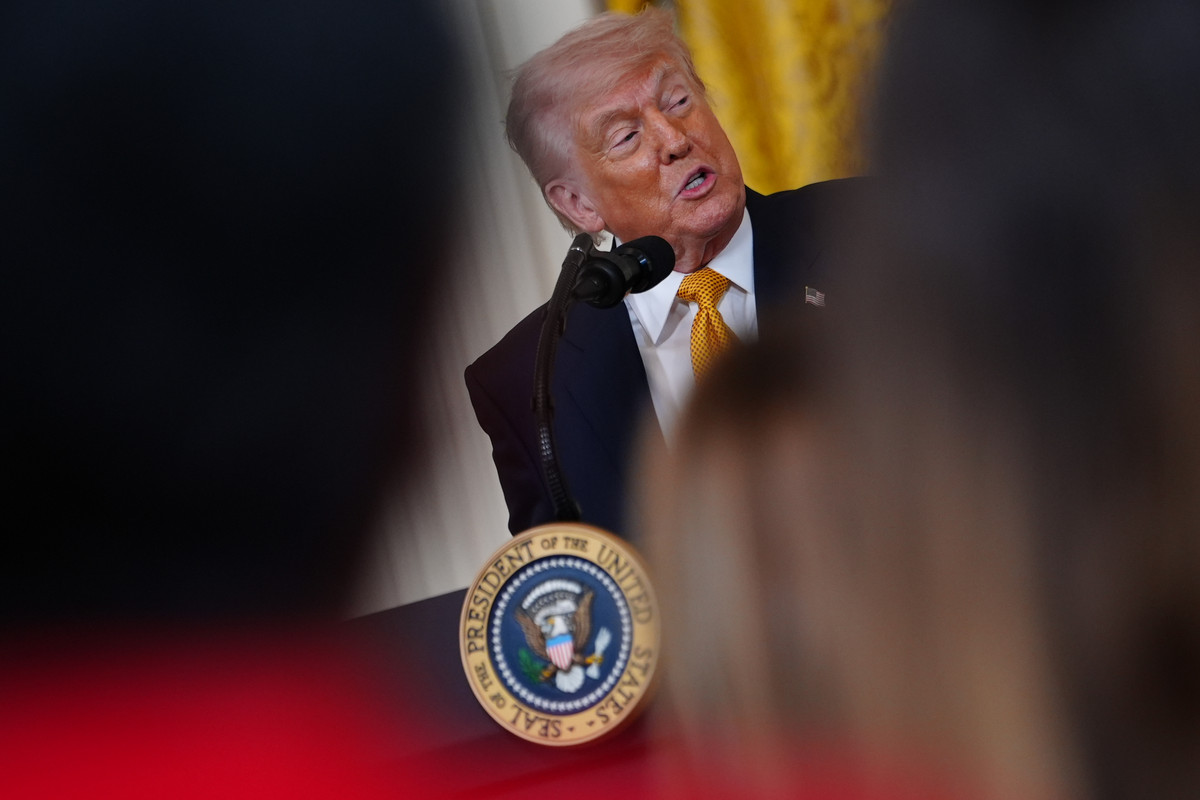
At a White House event on Tuesday, Trump himself sought to reassure the public, claiming that energy prices would soon “go lower than they were before.” He defended the current cost of oil, which sits at $102 a barrel, calling it “a very small price to pay for getting rid of a nuclear weapon from people that are really mentally deranged.” The remarks came as a gallon of regular gasoline averaged $4.46, closing in on the record of $5.02 set under former President Joe Biden.
For farmers in Iowa, the diesel surge arrives at a particularly vulnerable moment. Many had already purchased their fuel for spring planting, but the broader economic drag threatens to squeeze margins on the harvest. Across the economy, the rising cost of freight is compounding existing inflationary pressures, creating a political environment where the party in power must defend rising prices while promising relief that has yet to materialize. With the midterms looming, the question is whether voters will see the current spike as a temporary aberration or a permanent burden.