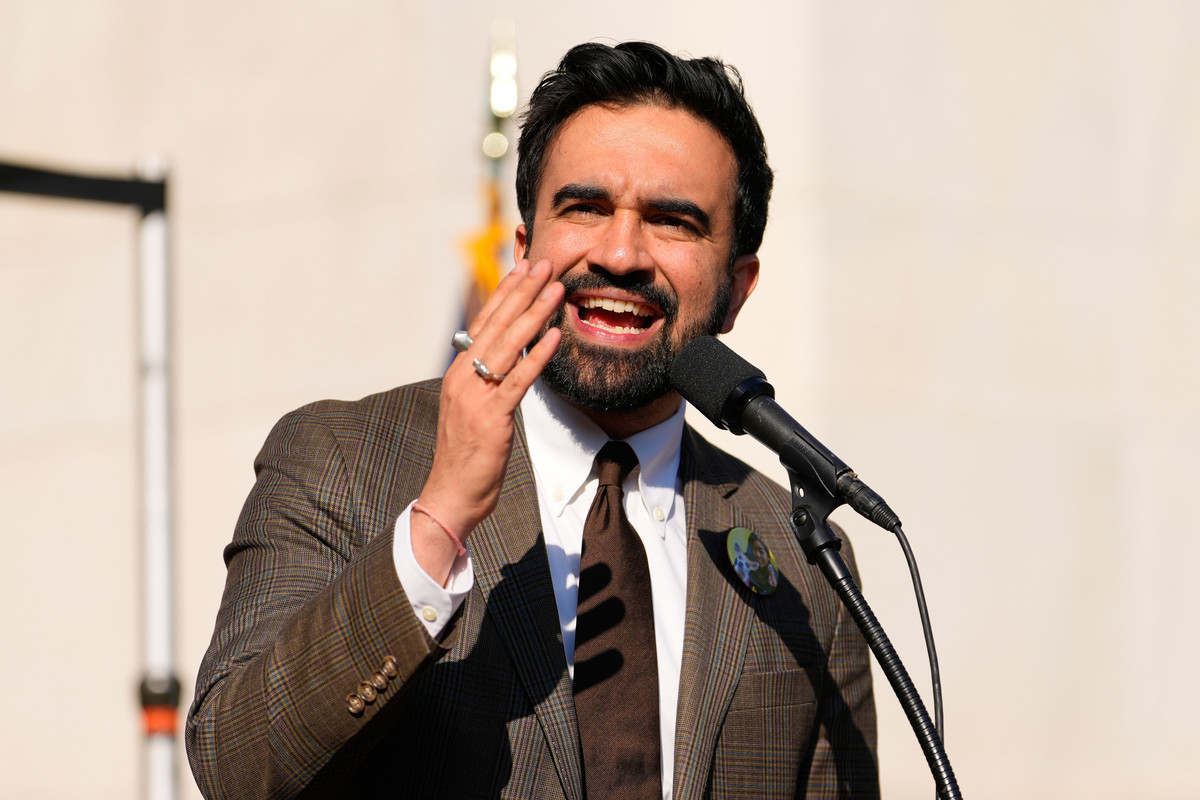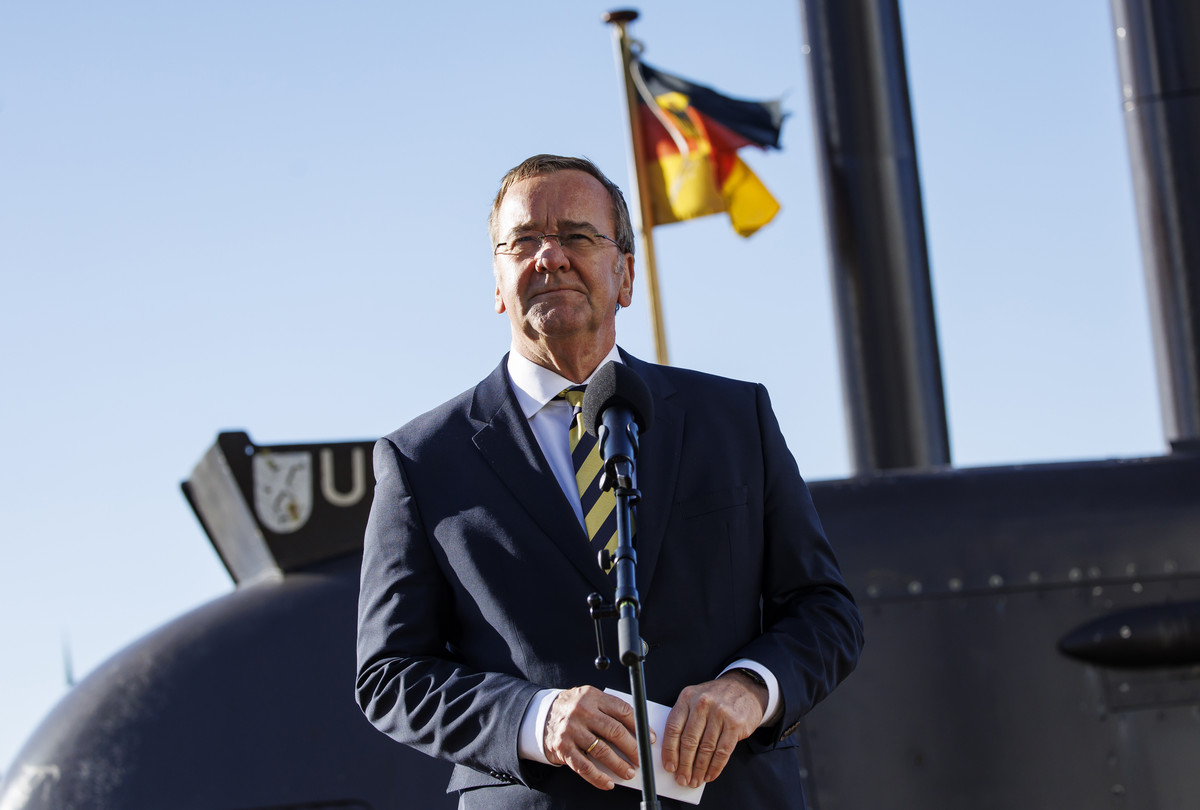
The Pentagon had just announced the withdrawal of 5,000 American troops from Germany, a decision that could have rattled Berlin. Instead, Pistorius described the move as widely anticipated and used it to press a larger argument about European self-reliance.
“It was anticipated that the U.S. might withdraw troops from Europe, including Germany,” Pistorius said. He added that “if we are to remain transatlantic, we must strengthen the European pillar within NATO.” The minister’s remarks sought to frame the drawdown not as a crisis but as a catalyst for a long overdue shift in the continent’s defense posture.
The Pentagon’s announcement, ordered by U.S. Defense Secretary Pete Hegseth, would reduce the American military presence in Germany to roughly 33,000 troops. That figure reverses a buildup initiated under former President Joe Biden. NATO confirmed it was “working with the U.S. to understand the details” of the decision, with spokesperson Allison Hart stating that the move “underscores the need for Europe to invest more in defense.”
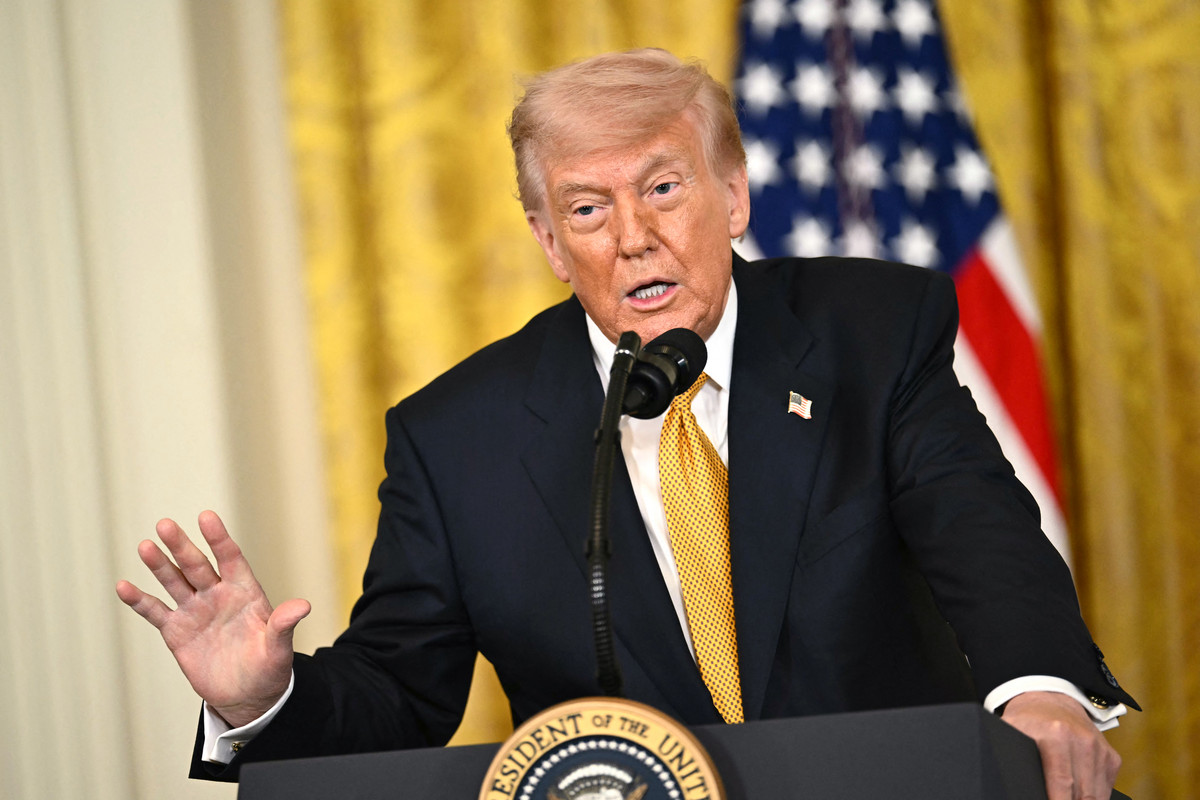
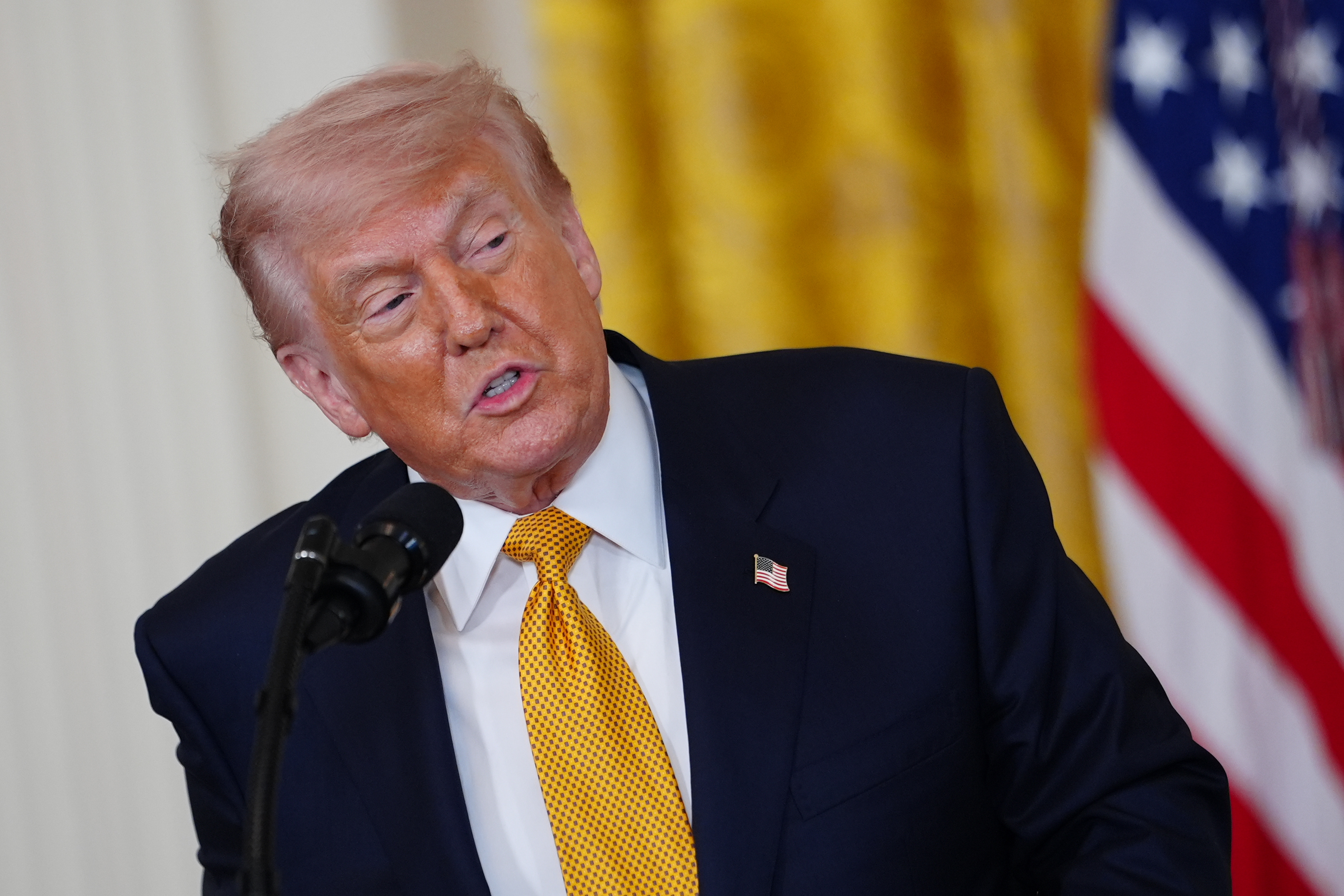
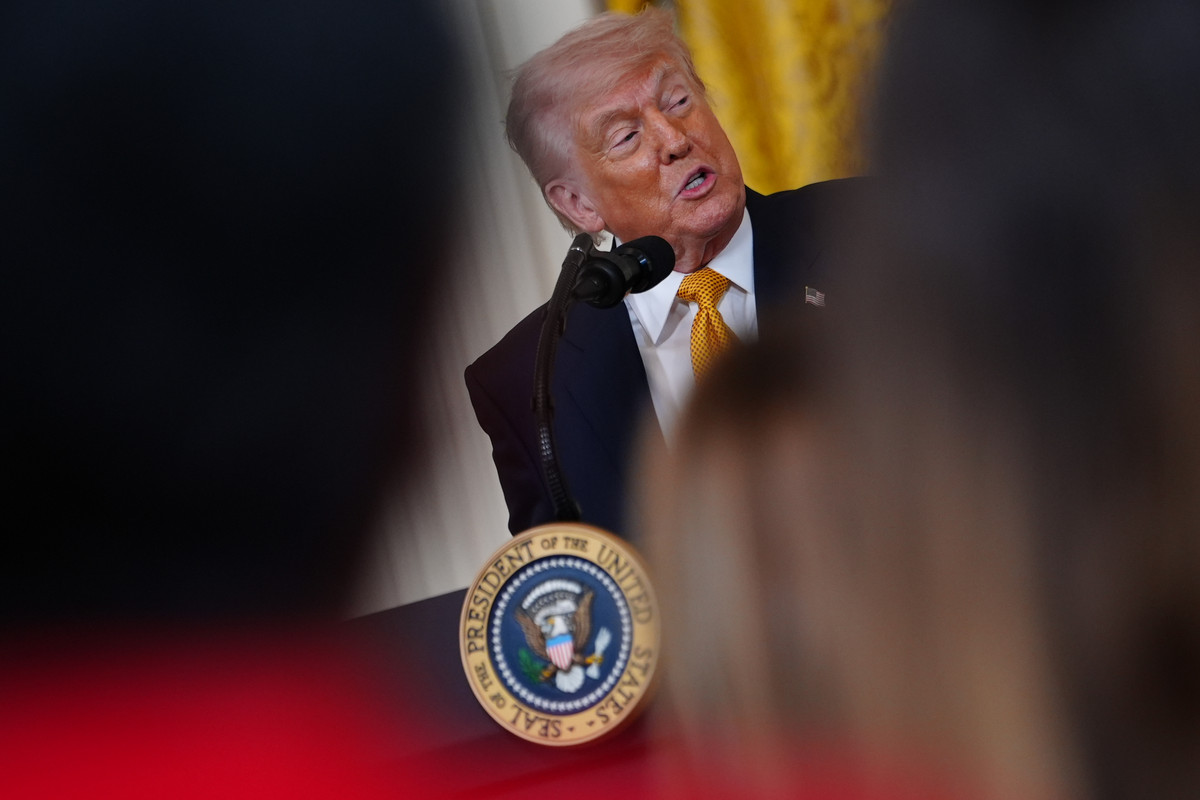
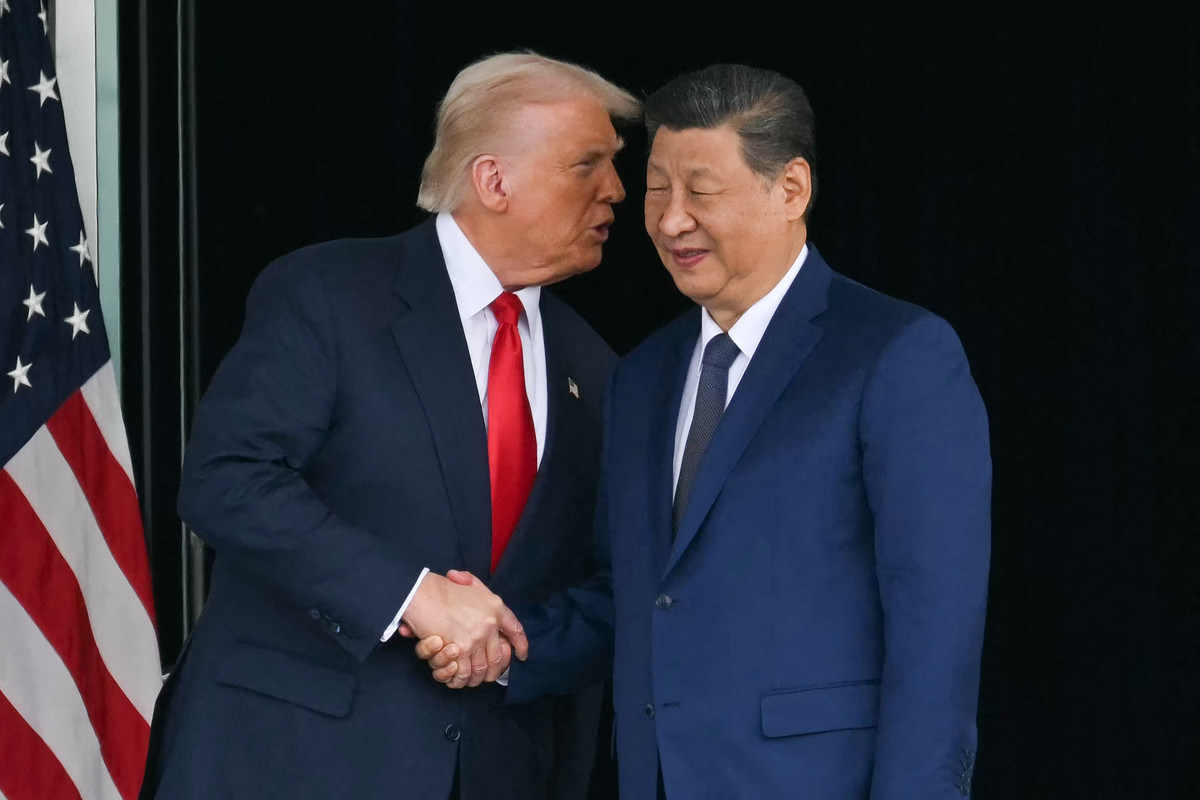
The troop reduction comes amid a public rift between U.S. President Donald Trump and German Chancellor Friedrich Merz. Trump had threatened a drawdown after Merz said the United States was being “humiliated” by Iran. The political tension has added a layer of uncertainty to the transatlantic relationship, though Pistorius sought to steer the conversation toward strategic necessity rather than personal disputes.
European Commission Signals Unity on Defense Spending
A European Commission spokesperson told POLITICO that the U.S. military footprint in Europe remains a “significant contribution to NATO deterrence and defense” and forms the “foundation of collective defense for 23 EU Member States who are also Allies” in the alliance. The spokesperson emphasized that EU countries are meeting their NATO commitments by increasing military spending at “an unprecedented pace,” signaling that European capitals are already moving to fill any gaps left by the American drawdown.
For Germany, the withdrawal tests a longstanding reliance on U.S. forces stationed on its soil since the Cold War. Pistorius’s response suggests Berlin is prepared to treat the reduction as an opportunity to accelerate its own defense investments and push for a more balanced burden sharing within the alliance. The question now is whether other European nations will follow suit or whether the withdrawal will expose deeper fractures in the West’s security architecture.
With roughly 33,000 American troops still remaining in Germany, the immediate military impact may be limited. But the political signal is unmistakable. As Pistorius stood before the submarine yard in Kiel, his message was clear: Europe must prepare to carry more of its own weight, not because the United States is leaving, but because the alliance itself demands it.