Navy ships that missed their targets, according to Adm. Bradley Cooper, the head of U.S. Central Command. The exchange marked the most direct confrontation between the two nations in weeks and threatened to unravel a fragile ceasefire that had held since the start of the U.S.-Israel military campaign against Iran.
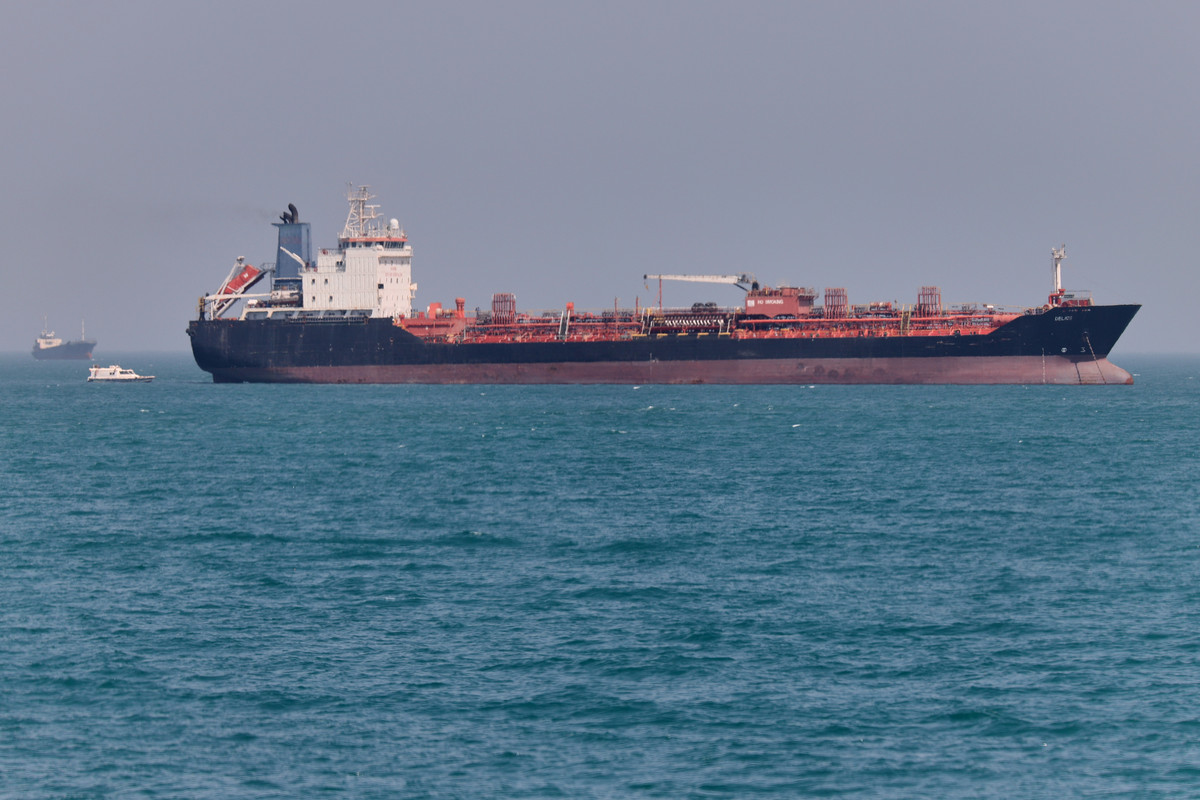
The clash came just one day after President Donald Trump announced that the Navy would begin escorting commercial vessels through the strategic waterway, a mission he has branded “Project Freedom.” The administration’s focus, which had previously centered on dismantling Iran’s nuclear stockpiles and ballistic missile capabilities, now appears to have shifted toward asserting control over the strait, a narrow chokepoint through which a significant portion of the world’s oil supply transits.
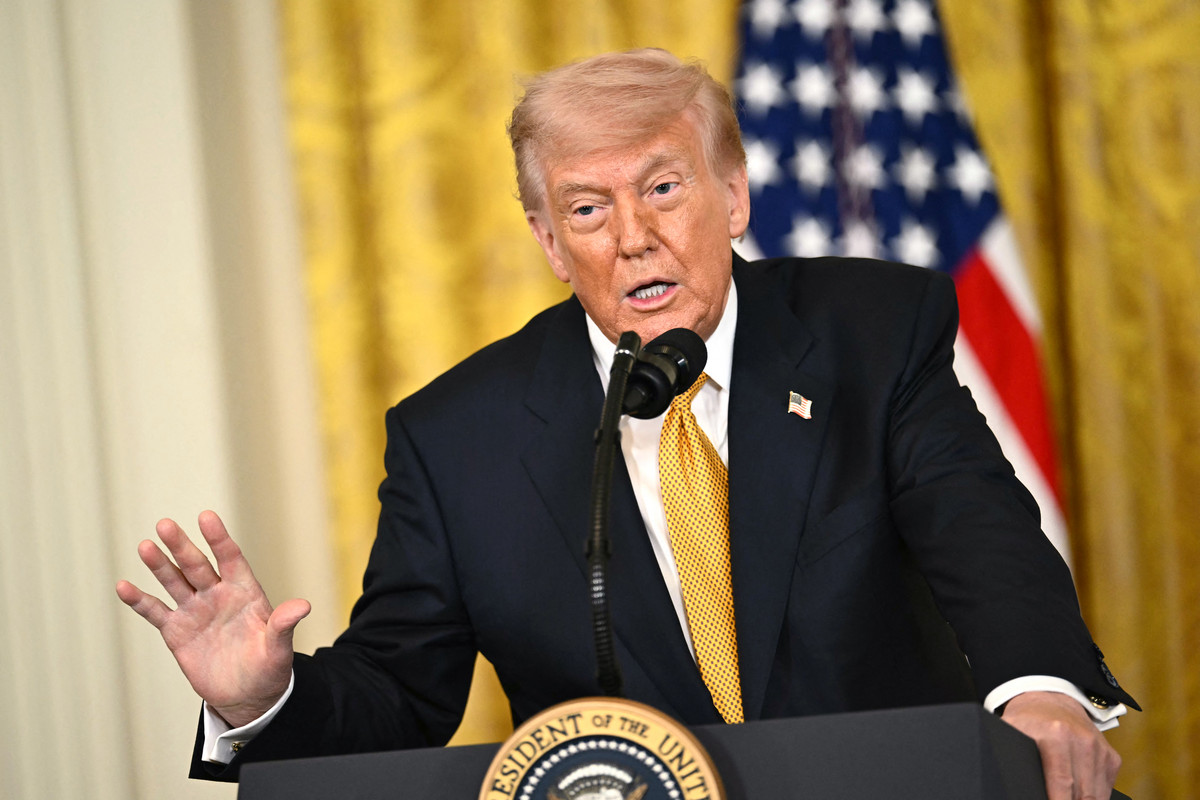
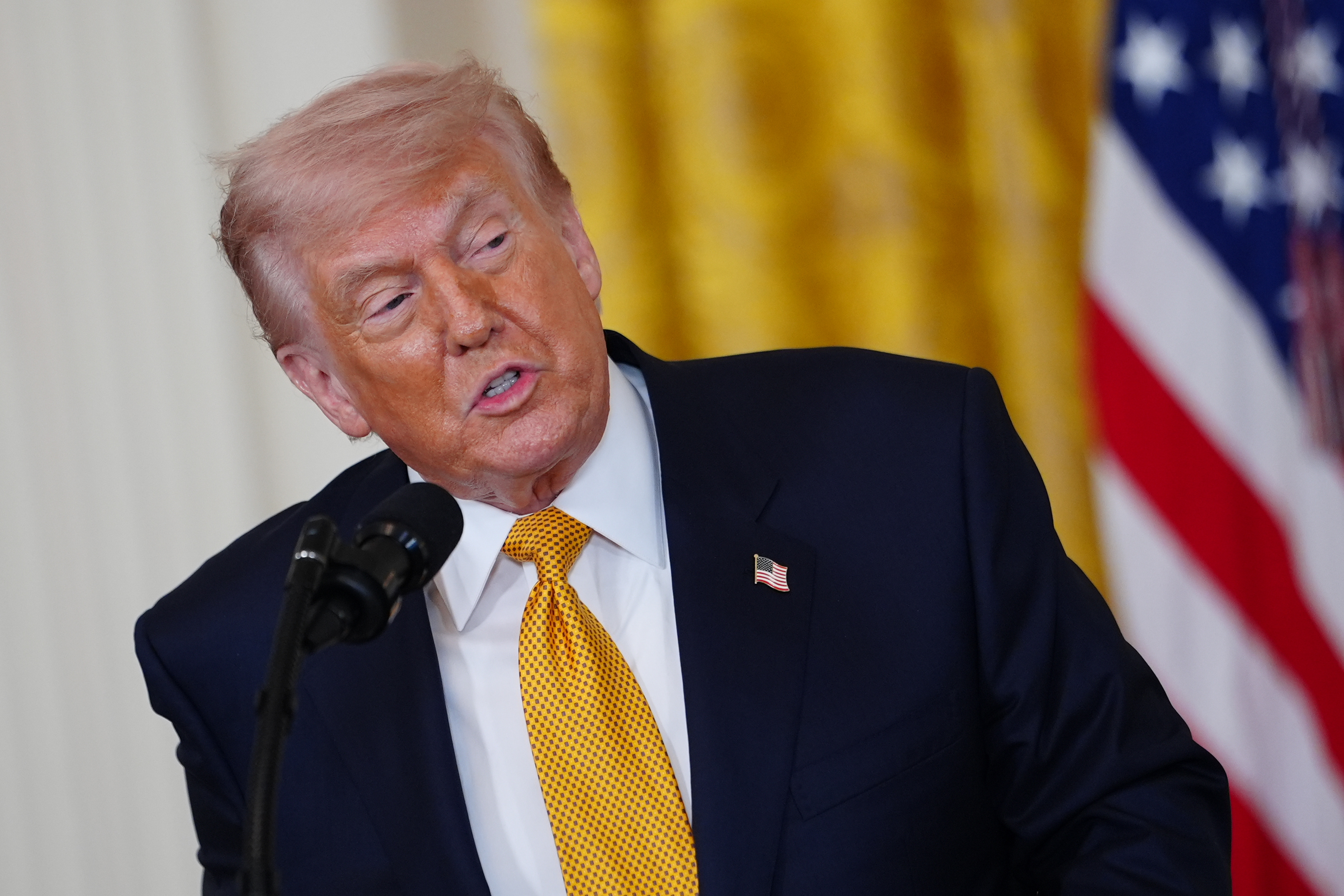
Trump did not mention the American attack in a social media post on Monday, instead suggesting that Iran had fired on “unrelated Nations,” including a South Korean cargo ship. “Perhaps it’s time for South Korea to come and join the mission!” he wrote. “We’ve shot down seven small Boats or, as they like to call them, ‘fast’ Boats. It’s all they have left.” In a separate interview with Fox News, the president warned that Iran would be “blown off the face of the earth” if its forces attacked U.S. Navy ships.
Neither the Defense Department nor the White House immediately responded to questions about whether the skirmish had compromised the ceasefire. Adm. Cooper declined to assess the broader implications for the truce, though analysts warned that the violence could easily spiral. Commercial vessels had moved freely through the strait before the war began in February, but Tehran has effectively blocked most traffic since then, driving up global energy costs and sending gas prices soaring.
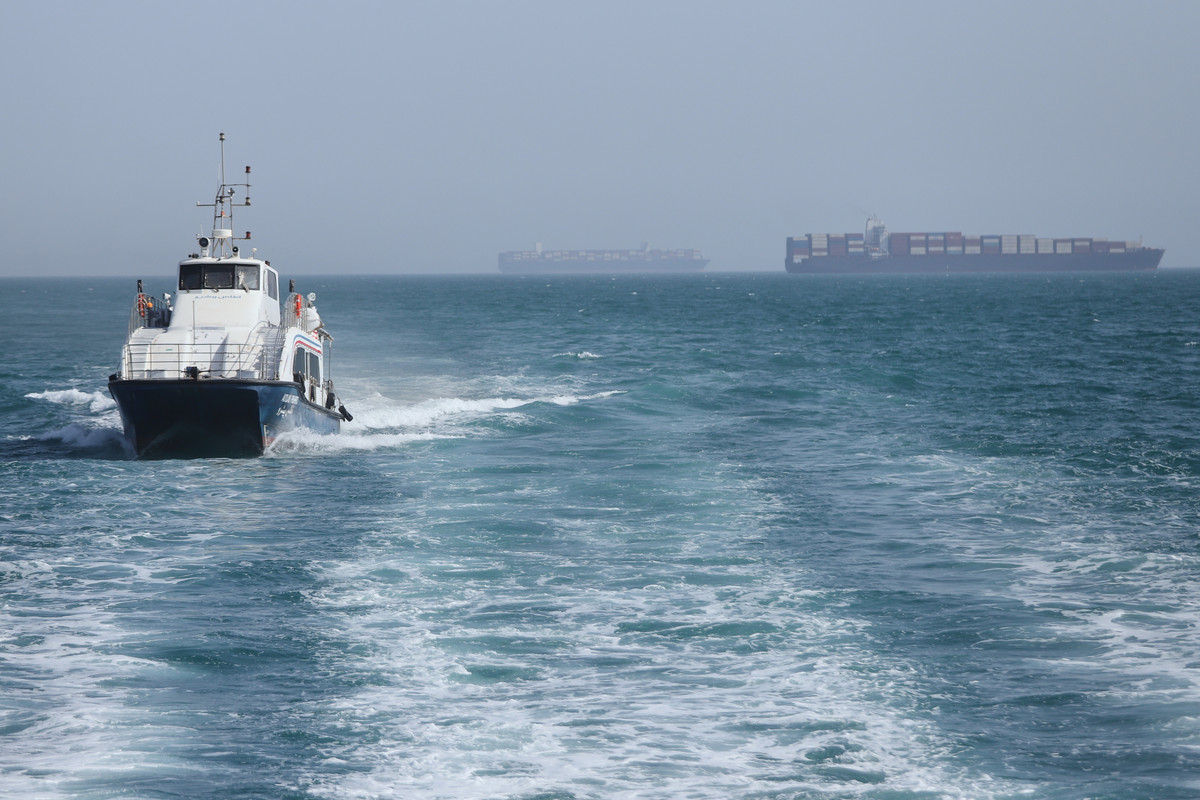
The precise mechanics of Project Freedom remain unclear. The Navy may not rely on traditional escort operations, given a shortage of available assets and the threat of mines hidden deep below the water’s surface. Instead, officials are considering deploying a fleet of smaller, more agile boats to track traffic through the strait and provide security. The U.S. still maintains two aircraft carrier strike groups in the region, along with multiple other warships capable of offering air defense cover.
A Complex Mission in a Narrow Passage
Any operation in the strait promises to be a logistical challenge. The military has already pulled in Army assets to support the mission, underscoring the complexity of securing a waterway that is only 21 miles wide at its narrowest point. With both sides now locked in a direct struggle for control of the strait, the confrontation threatens to escalate beyond the limited strikes and counterstrikes that have defined the conflict so far.
The Monday attack also signals a new phase in the U.S.-Iran conflict, one in which the two adversaries are no longer trading blows over nuclear facilities and missile sites but are instead fighting for dominance over a critical artery of global commerce. As Trump pushes forward with Project Freedom, the question remains whether the ceasefire can survive the growing volatility in the waters off Iran’s southern coast.