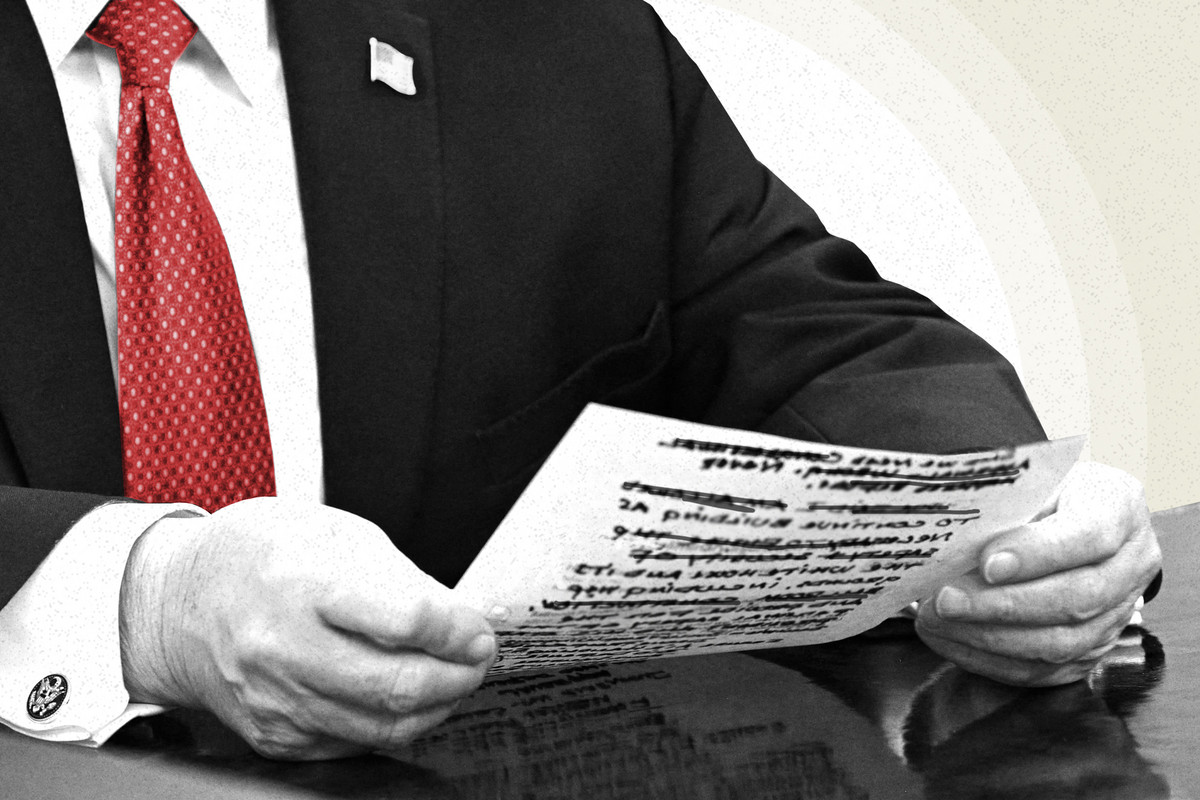
Three European diplomats and a U.S. defense official familiar with the plan described the document as something akin to a “naughty and nice” list, drawn up ahead of NATO Secretary General Mark Rutte’s visit to Washington this month.
The effort represents the clearest signal yet that President Donald Trump intends to follow through on his repeated threats against allies who do not align with his administration’s demands. It also adds a fresh point of tension to a transatlantic alliance already strained by Trump’s confrontational posture, including his push to annex Greenland and his warnings that the United States could withdraw from the pact entirely.
Defense Secretary Pete Hegseth first floated the concept in December, telling reporters that “model allies that step up, like Israel, South Korea, Poland, increasingly Germany, the Baltics and others, will receive our special favor.” He added that “allies that still fail to do their part for collective defense will face consequences.” One European diplomat said the new list appeared to reflect that same logic. “The White House has a naughty and nice paper so I guess the thinking is similar,” the person said.
The administration has kept the details of the list tightly guarded as officials weigh their options, according to the people familiar with the matter. Little clarity has emerged on what form the promised favors or punishments might take. “They don’t seem to have very concrete ideas when it comes to punishing bad allies,” said another European official, who was granted anonymity to discuss sensitive diplomatic matters. “Moving troops is one option, but it mainly punishes the U.S. doesn’t it?”
Alliance Under Pressure
The White House has made its frustration with certain NATO members clear in recent weeks. While the United States has long provided security guarantees to allies, including the deployment of thousands of troops across Europe, administration officials have signaled that continued protection is not guaranteed for countries deemed insufficiently cooperative. The tiered system is designed to formalize that calculus, rewarding nations that meet Washington’s expectations and punishing those that do not.
The list was developed as part of broader planning for Rutte’s visit, which was expected to test the alliance’s cohesion amid Trump’s escalating demands. European diplomats have expressed concern that the administration’s approach could fracture NATO by creating a hierarchy of members, undermining the principle of collective defense that has anchored the alliance for decades. One diplomat noted that the very existence of such a list risked deepening mistrust among member states.
For now, the administration has offered no public timeline for implementing the tiered system, and officials have declined to specify which countries fall into which category. But the effort underscores a fundamental shift in how the Trump White House views the alliance: not as a partnership of equals, but as a transactional arrangement in which loyalty and burden-sharing determine the price of American protection.