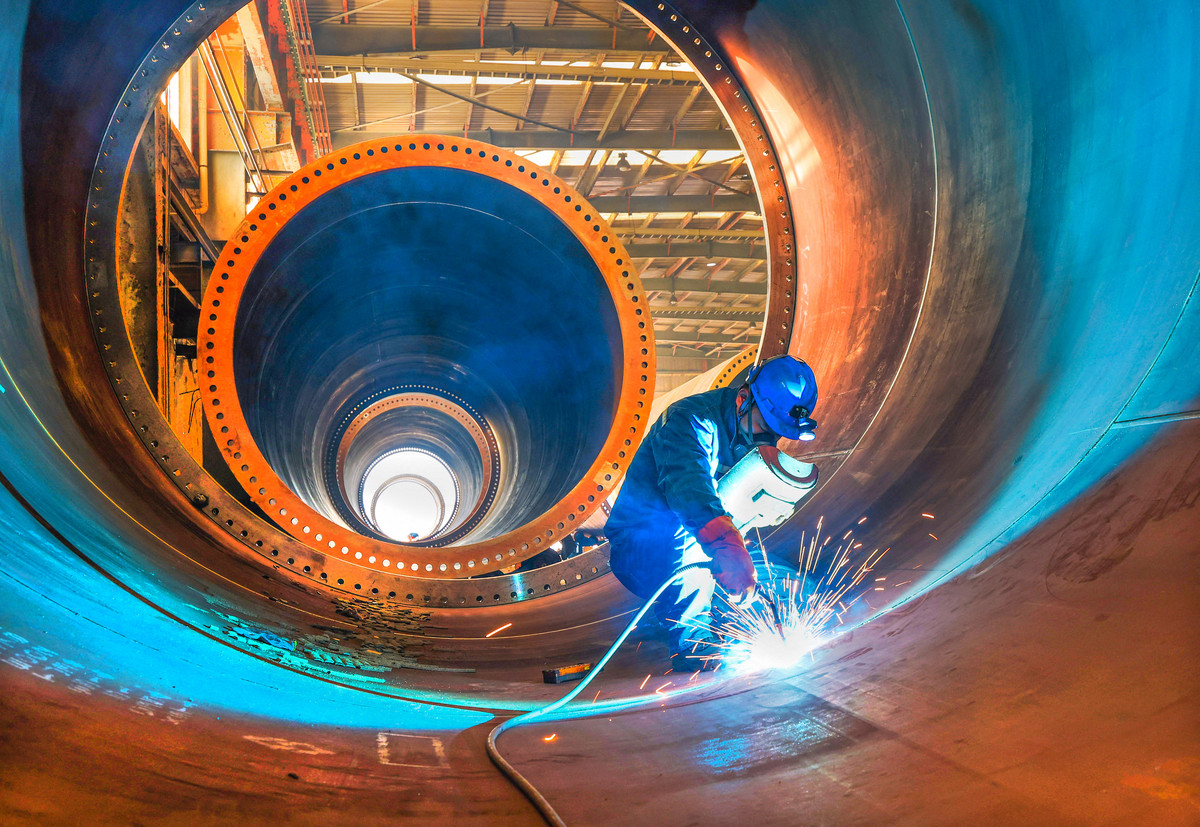
These workshops are at the center of a geopolitical dilemma now gripping capitals from Brussels to Manila.
The economic shockwaves from the war involving Iran, which sent oil and gas prices soaring, have forced a stark reckoning. Nations are urgently seeking to insulate themselves from future fossil fuel volatility by rapidly building out domestic renewable energy and electrification. This strategic pivot, however, is funneling them toward a new form of dependency, as China commands an overwhelming share of the world's clean technology manufacturing and critical mineral supply.
From the European Union and the United Kingdom to South Korea and the Philippines, governments are publicly championing faster decarbonization as the long-term solution to energy insecurity. The logic is clear: homegrown wind, solar, and nuclear power cannot be held hostage by global market fluctuations or foreign conflicts. Yet this escape route, as officials privately concede, leads directly to Beijing's doorstep.
The tension is palpable in policy corridors. EU industry chief Stéphane Séjourné recently framed the predicament in stark terms, questioning how to sell the green transition to citizens if the essential batteries and components are manufactured abroad. His proposed legislation, which would mandate more public spending on European-made green tech and restrict foreign investment, is widely seen as a defensive move against Chinese market dominance.
This caution is not new for the bloc, which has long balanced open markets with protecting its industrial base. The EU's existing carbon tax mechanism reflects this careful approach. The current crisis, however, has injected new urgency into the debate, forcing a difficult calculation between immediate energy security needs and long-term strategic autonomy.
A Global Calculus of Dependency
For many nations, the calculus is increasingly urgent. The war's impact on energy costs has made the theoretical risks of fossil fuel dependency a painful reality, making the risks of clean-tech dependency seem, for some, a more manageable future challenge. The drive to build resilient, domestic energy systems is, paradoxically, accelerating global reliance on a single supplier for the tools to achieve it.
The question now confronting policymakers is whether the imperative to decarbonize quickly will override deep-seated reservations about China's economic leverage. Some are pushing for a rapid build-out at any cost, while others advocate for a slower, more strategically independent path that nurtures local supply chains. The global response to this dual crisis—one of climate and energy security—will determine if the world trades one form of vulnerability for another.