Rear Adm. Wayne Arguin, a career Coast Guard officer leading the U.S. delegation, told the closed-door session that a coalition of nations now stands firmly against the so-called Net-Zero Framework, making its adoption impossible under current conditions.
“We can say at this point there is a clear, strong and sizable bloc of countries opposed to the NZF and no prospect of achieving consensus around that proposal,” Arguin said, according to a meeting participant who was granted anonymity to describe the private discussions. The remarks came just days before the IMO’s Marine Environment Protection Committee is set to convene in London on Monday for its first session since the United States successfully delayed a vote on the framework last October.
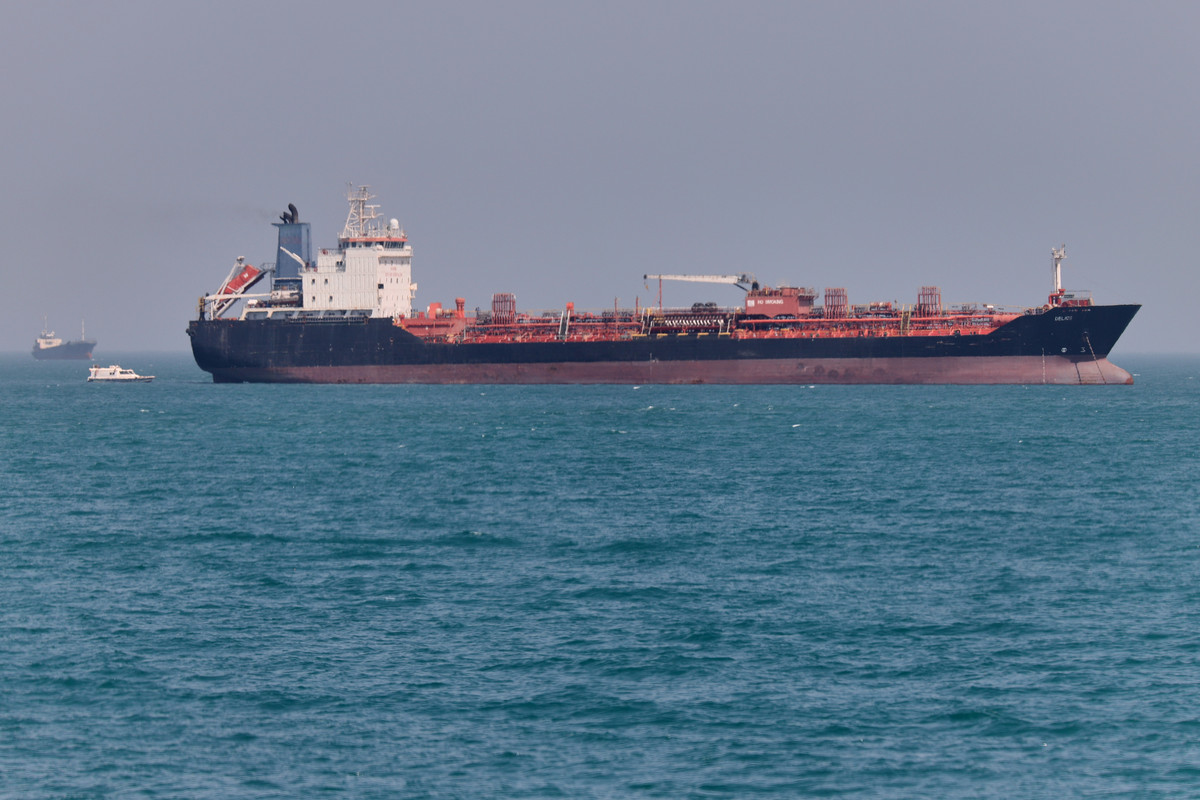
The Net-Zero Framework, which includes a proposed carbon tax on ships and a sustainable fuel standard, was designed to help the maritime industry meet a 2023 IMO commitment to eliminate carbon emissions by 2050. The initiative has become a primary target of the Trump administration, which has worked to dismantle international climate cooperation. Since delaying the vote last fall, Washington has circulated a diplomatic cable urging other nations to reject the carbon tax and has pushed to weaken proposed penalties on liquefied natural gas as a shipping fuel.
For many countries, the existing proposal already represented a hard-won compromise after years of negotiations. “The framework, as approved in April 2025, was a carefully designed and curated package,” Michael Mbaru, a maritime expert with Kenya’s climate envoy office, told reporters earlier this month. He warned that removing the carbon tax could cause the entire package to collapse, leaving the shipping industry without a clear path to decarbonization.
Divergent Paths Emerge Ahead of London Talks
In addition to the U.S. statement of opposition, several countries have submitted alternative proposals, including Liberia and Japan. IMO chief Arsenio Dominguez has urged delegates to focus on areas where progress is still possible. Next week’s meetings are expected to address the comments and concerns raised during the October session, though the American position has cast a shadow over those efforts.
The Net-Zero Framework calls for a carbon-intensity standard that would tighten over time, pushing the industry to transition from fossil fuels to lower-emission alternatives. Ships that fail to meet the standard would be required to purchase credits, effectively creating a market-based mechanism to fund the transition. But with the United States leading opposition and a growing bloc of countries following suit, supporters of the measure face an uphill battle to salvage the agreement.
The standoff underscores a broader geopolitical rift over how to address climate change, with the Trump administration seeking to block multilateral efforts while other nations push forward. As delegates prepare to gather in London, the question is not whether the framework will pass next week, but whether it can survive at all.