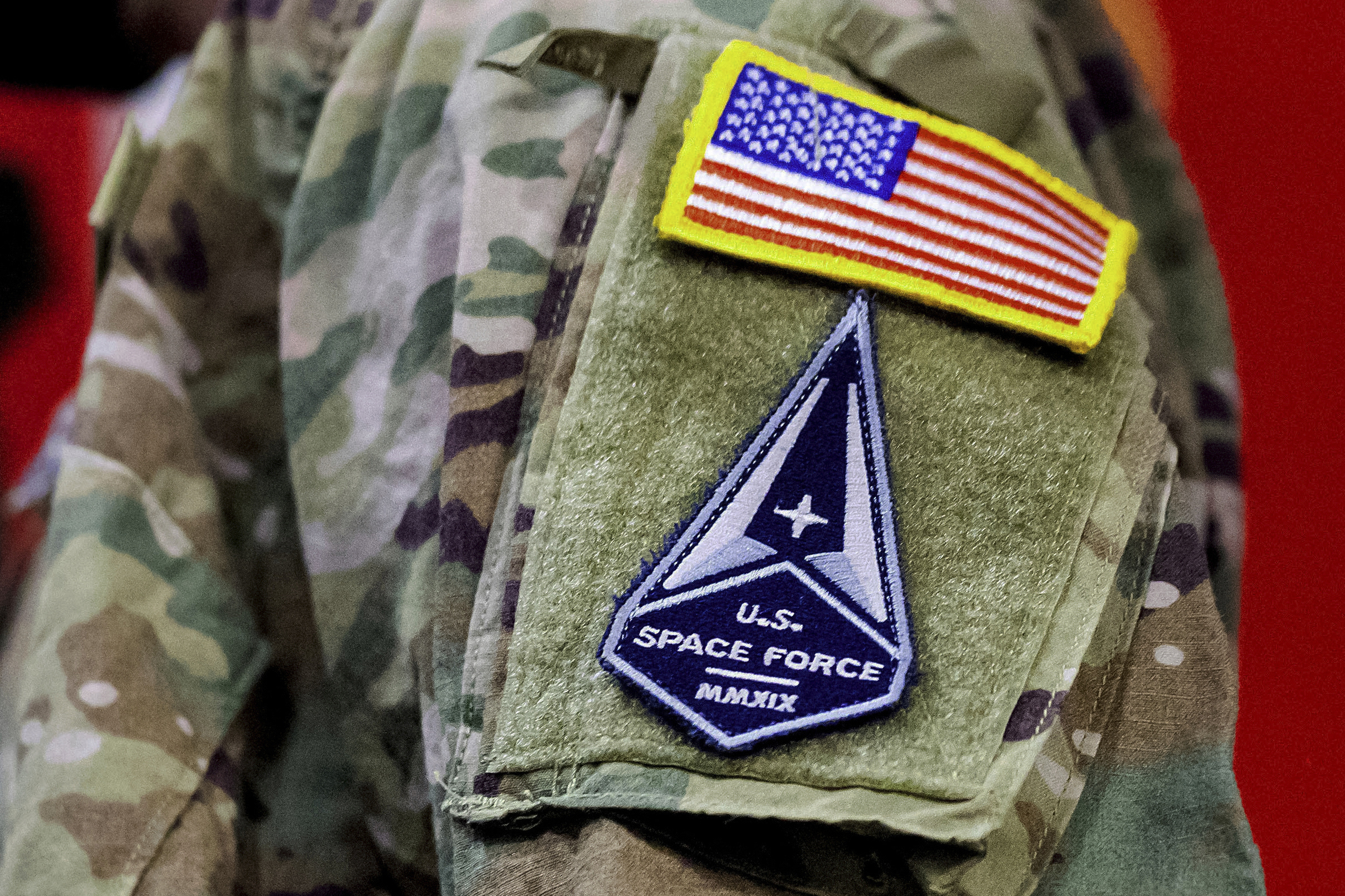
The youngest branch of the American military is expanding its civilian workforce aggressively, driven by the expectation of a substantial influx of funding.
The hiring surge, described internally as operating as if "there’s never been a tomorrow," aims to build the administrative and technical capacity to execute a much larger budget. This preparatory effort is a direct response to the potential for a major budget increase should former President Donald Trump win the November election and follow through on signaled spending priorities for military space operations.
Established just six years ago, the Space Force has consistently received budget increases but remains a relatively small organization focused on protecting American satellites and interests in orbit. A sudden, large budget expansion would represent both an opportunity and a significant managerial challenge for the nascent service, requiring the personnel to plan and spend the funds effectively.
The preparatory work involves not only recruiting but also restructuring internal processes to manage a potential spending spree on new technologies, partnerships with private space companies, and enhanced surveillance capabilities. The goal is to avoid bureaucratic bottlenecks that could delay the deployment of new assets deemed critical for national security in space.
Global Implications of a Space Buildup
This anticipated ramp-up occurs within a context of intensifying global competition in space, primarily with China and Russia. Both nations have advanced their own military space capabilities, including developing anti-satellite weapons. American officials have repeatedly stated that maintaining dominance in the domain is essential for modern warfare and economic security.
The Space Force's pre-emptive expansion highlights how the upcoming U.S. presidential election is directly influencing defense planning and posture years into the future. By building its infrastructure now, the service hopes to be ready to immediately capitalize on any post-election budget directive, regardless of the outcome.
Critics of rapid defense spending growth warn that such pressures can lead to wasteful expenditure and insufficient oversight. Proponents argue that the pace of adversarial advancement in space leaves no time for delay, necessitating that the bureaucracy be prepared to move quickly.
As the election approaches, the Space Force continues its quiet hiring campaign, betting that its tomorrow will be defined by a much larger budget and an even more prominent role in global strategic competition.