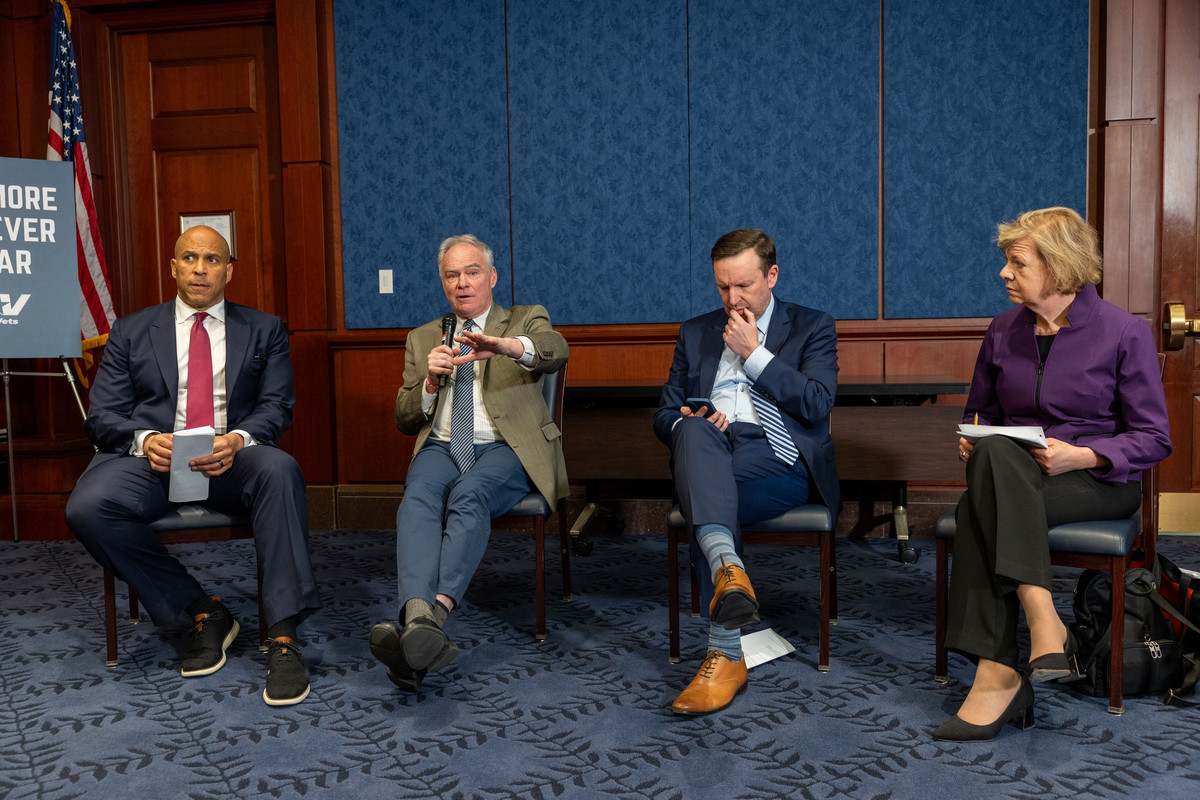
The vote comes at a moment of heightened international tension, as fragile ceasefire negotiations between Israel and Hamas introduce new uncertainty into the stability of the Middle East.
The measure, known as a war powers resolution, was defeated in a procedural vote that fell largely along party lines. It sought to reassert Congress’s constitutional role in declaring war by mandating that any sustained hostilities against Iran must be approved by lawmakers, except in cases of a national emergency created by an attack. The resolution’s failure leaves intact the executive branch’s broad discretion to initiate military action.
Proponents of the resolution argued it was a necessary check on presidential power, particularly given the complex and volatile security landscape. They pointed to the potential for regional conflict to escalate quickly, drawing the United States into a new war without direct congressional consent. Opponents, however, contended that such a restriction would dangerously tie the hands of the commander-in-chief during a crisis.
The debate occurs against the backdrop of an uncertain ceasefire in the war between Israel and Hamas. While that conflict is distinct from direct U.S.-Iran hostilities, analysts note that Iran’s support for proxy groups across the region means any major escalation could quickly become intertwined. The stalled peace talks add a layer of diplomatic fragility that influences Washington’s strategic calculations.
A Recurring Constitutional Debate
This is not the first legislative attempt to curtail war powers related to Iran. A similar resolution was introduced, and ultimately blocked, in 2021. The repeated efforts highlight a longstanding and unresolved tension between the legislative and executive branches over the authority to commit American forces to combat.
The issue cuts across recent administrations, with lawmakers from both parties periodically expressing concern over the erosion of congressional war powers. The failure of the latest resolution suggests that, despite these concerns, a majority in the current Senate remains unwilling to impose specific statutory constraints on the presidency in matters of national security.
The outcome effectively preserves the status quo, allowing the president to determine the timing and scope of any military response to threats from Iran. As ceasefire talks continue with an uncertain outcome, the balance of war-making power in Washington appears settled, for now.