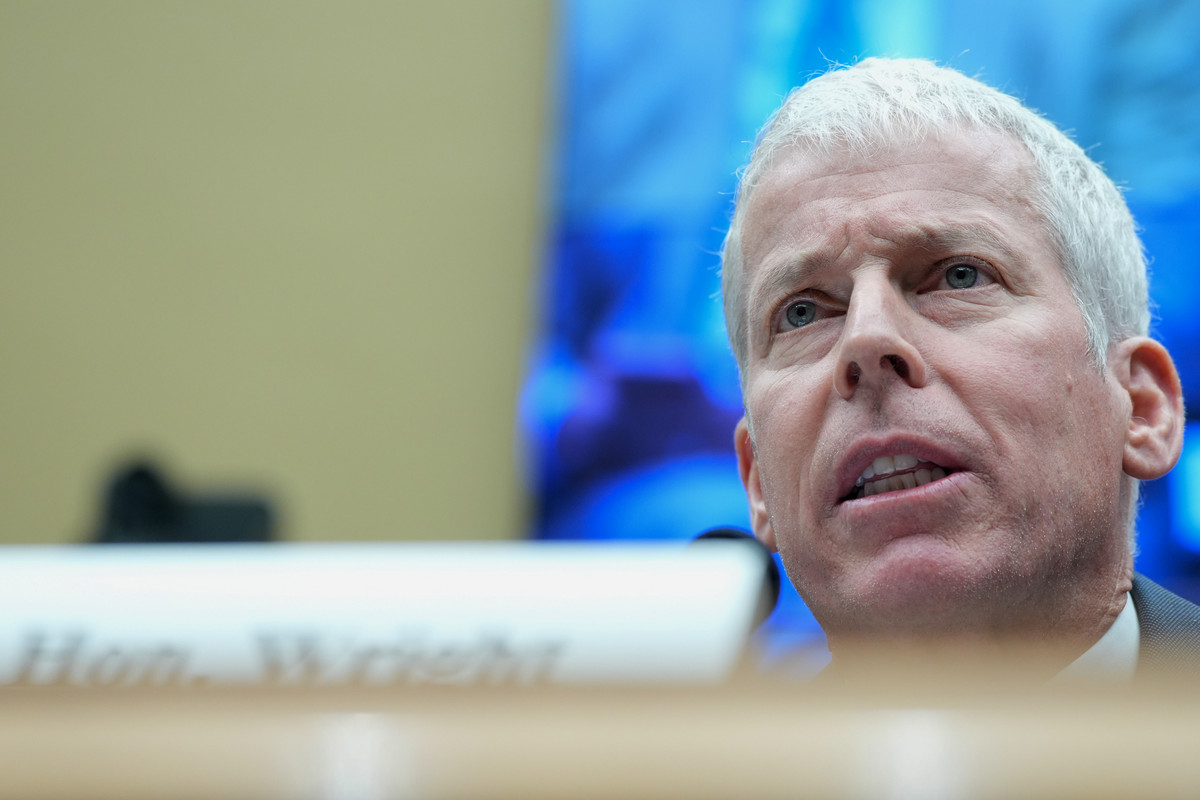
In a television interview on Sunday, Energy Secretary Chris Wright offered a sobering timeline for relief at the pump, linking the persistent high costs directly to the war in Iran and its stranglehold on a critical global oil artery. While asserting that prices have likely peaked, Wright acknowledged the uncertainty, stating the drop below three dollars "could happen later this year" or might be delayed until next year.
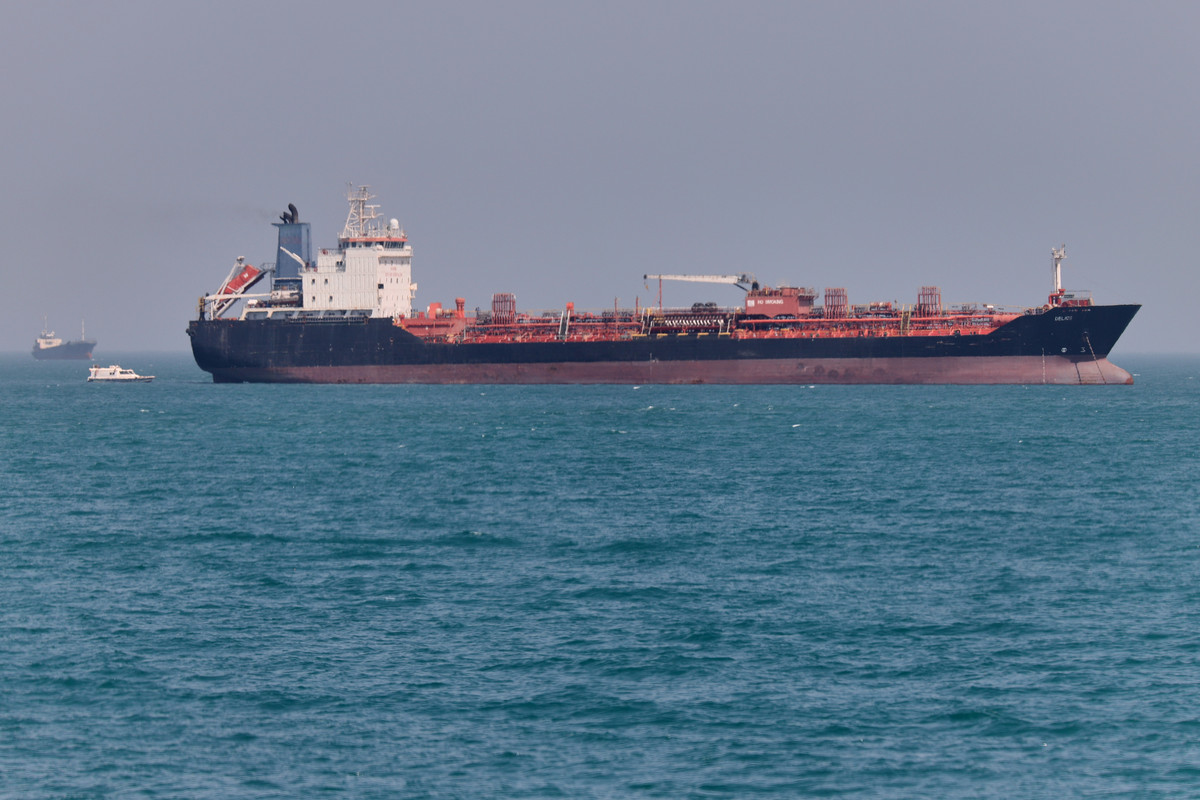
The central factor is the closure of the Strait of Hormuz, a narrow channel off Iran's coast. Prior to the conflict, more than 20 million barrels of oil, representing one-fifth of the world's daily supply, traversed this waterway. Iran's military has since made the passage perilous, striking two commercial ships just last Saturday, and a U.S. naval blockade aimed at pressuring Tehran has further sealed the route.
This unprecedented interruption in global energy flow has reversed a years-long trend of moderate fuel costs. By the end of March, the national average price surpassed four dollars per gallon for the first time since 2022, imposing a significant new burden on households and the economy.
Administration Defense and Political Context
Secretary Wright defended the administration's handling of the crisis, calling it "fantastically" managed given the scale of the disruption. He pointed out that the recent price peak was roughly a dollar lower than the high seen during the previous administration, framing it as a relative success amidst a global shock.
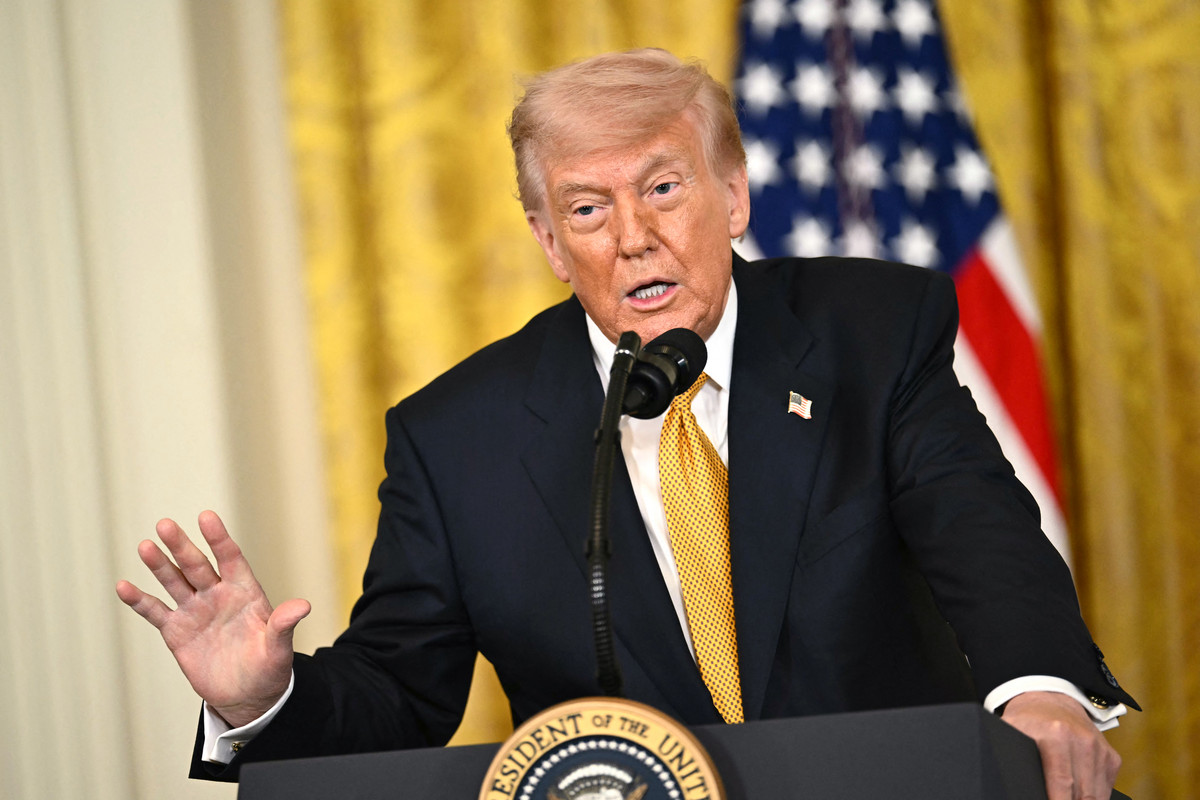
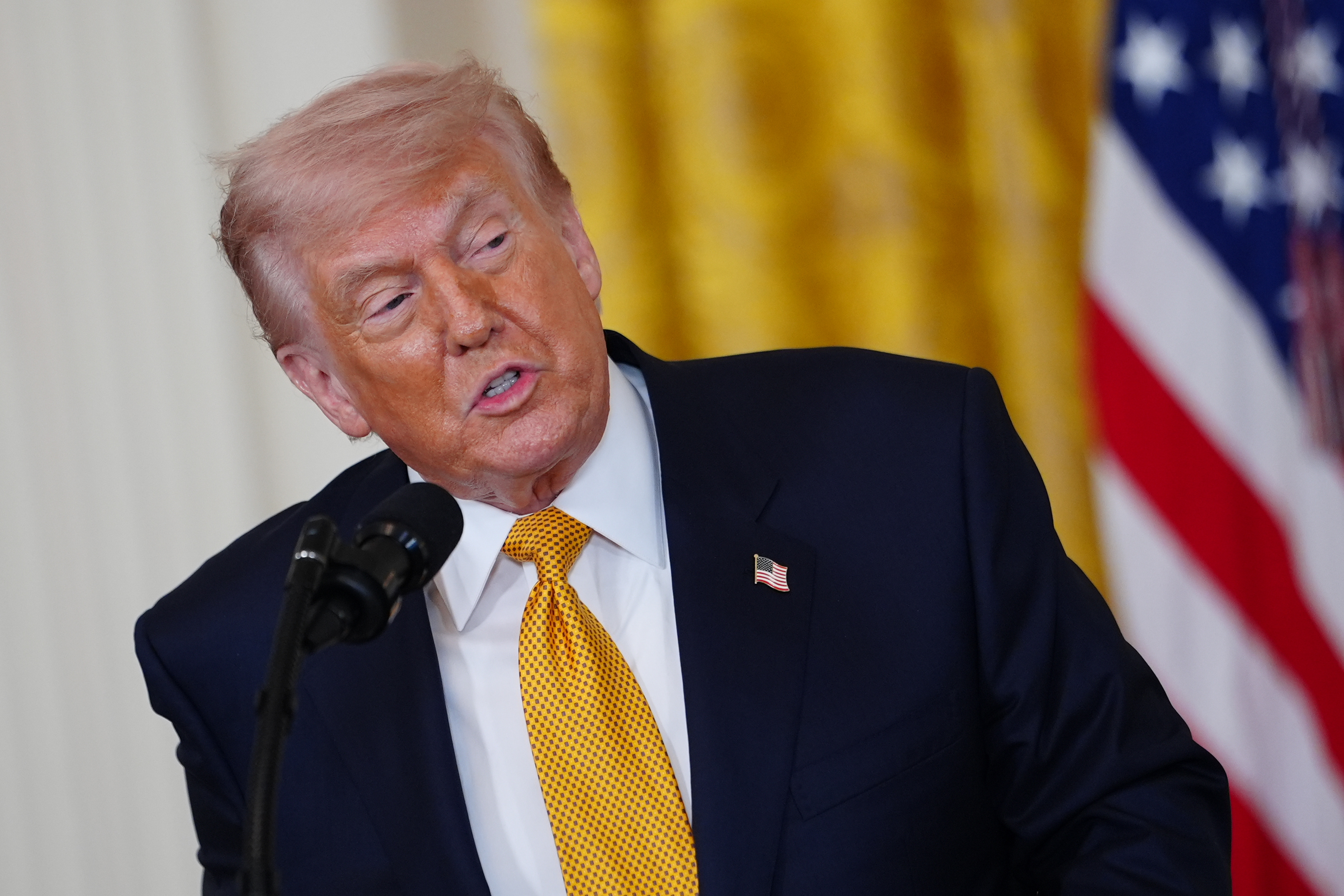
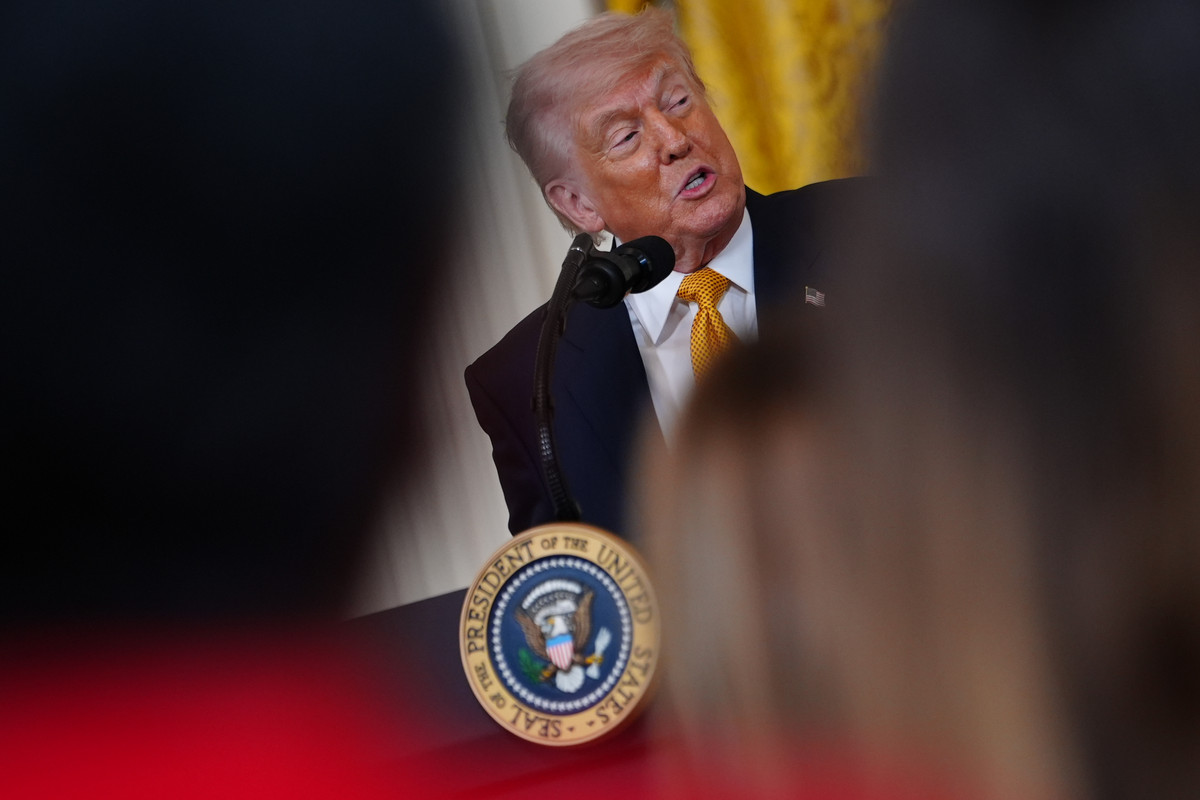
The political dimension of the issue was underscored by former President Donald Trump, who recently dismissed concerns over the cost of fuel, stating prices "are not very high." This contrast highlights the potent role energy costs are playing in the current political climate as the election approaches.
Wright directly tied the market pain to the strategic goal of resolving the long-running conflict and preventing a nuclear-armed Iran. "Putting this 47-year conflict to an end... has come with short-term disruption," he said, suggesting that price stability is contingent on a resolution that reopens the vital strait.
With the strait remaining effectively closed and ceasefire efforts fragile, the administration's forecast indicates that the economic ripple effects from the Persian Gulf will be a defining feature of the American landscape for months to come.