The documents, circulated at the International Maritime Organization gathering, outline projected compliance costs that could reach hundreds of millions of dollars annually for a single middle-income country, according to a copy of one flyer shared with POLITICO.
The flyers, whose content was described by one person familiar with the talks as a “skewed” economic analysis, argue that shipowners would pass the levy on to consumers through higher freight rates. That would “directly increasing the costs of trade for all importing and exporting nations,” the flyer states. Two other people with knowledge of the discussions confirmed the distribution of the documents, speaking on condition of anonymity to avoid retribution.
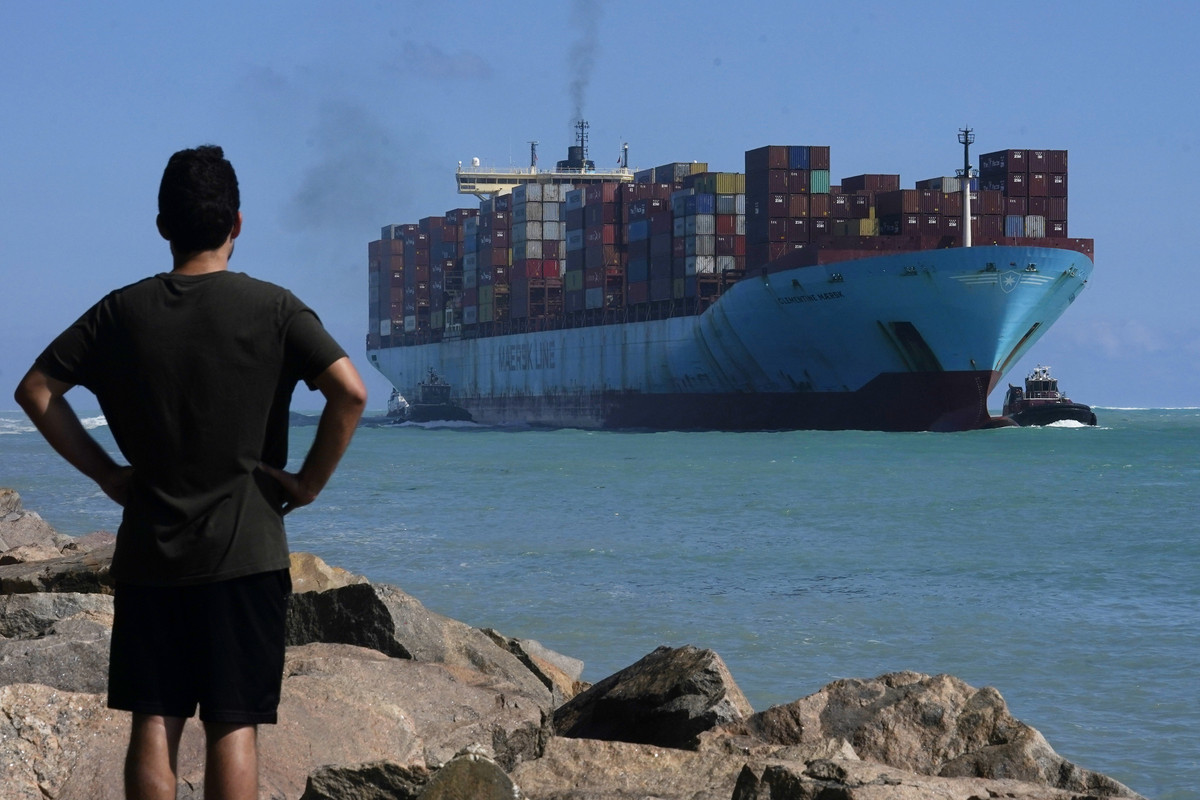
The measure at stake is the so-called Net Zero Framework, which would impose a carbon-intensity standard on the global shipping industry, tightening over time to push companies away from fossil fuels. Ships that fail to meet the standard would be required to pay a fee, with the revenue directed toward funding cleaner fuel alternatives and supporting developing countries. The European Union, Kenya and several other nations have voiced strong support for the plan and intend to defend it during the talks.
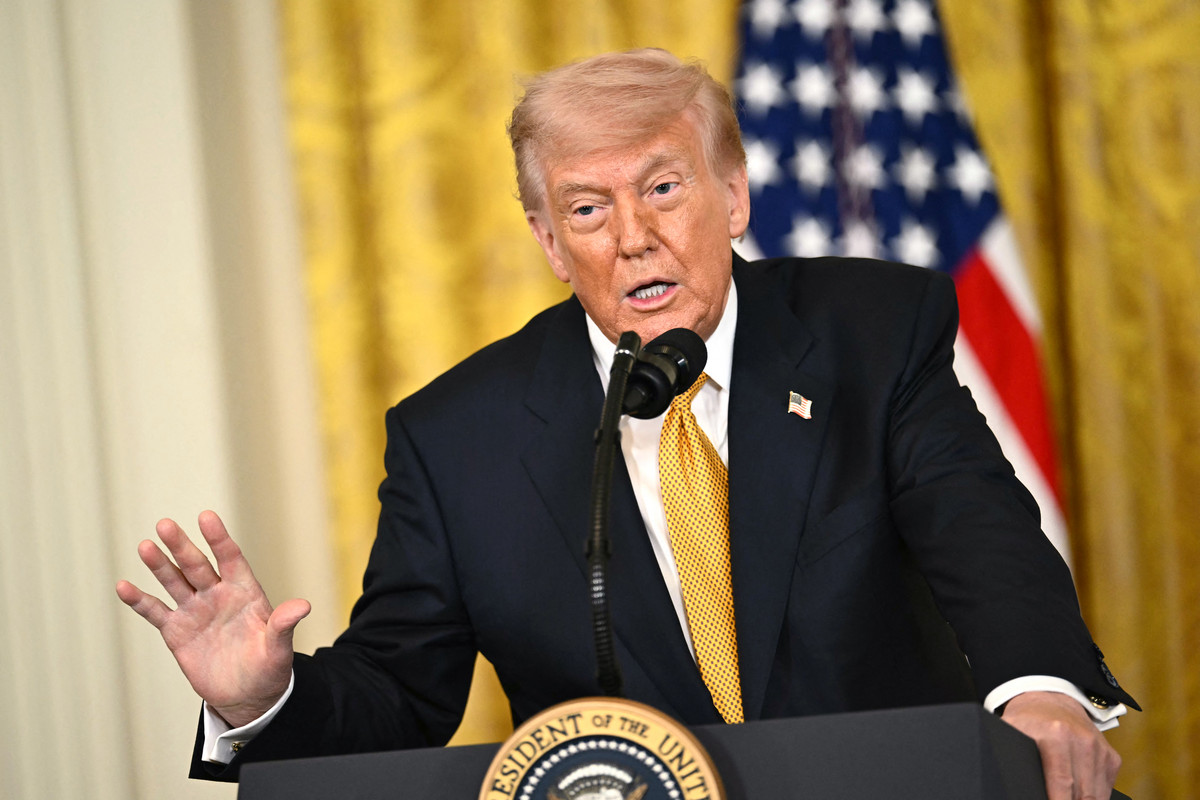
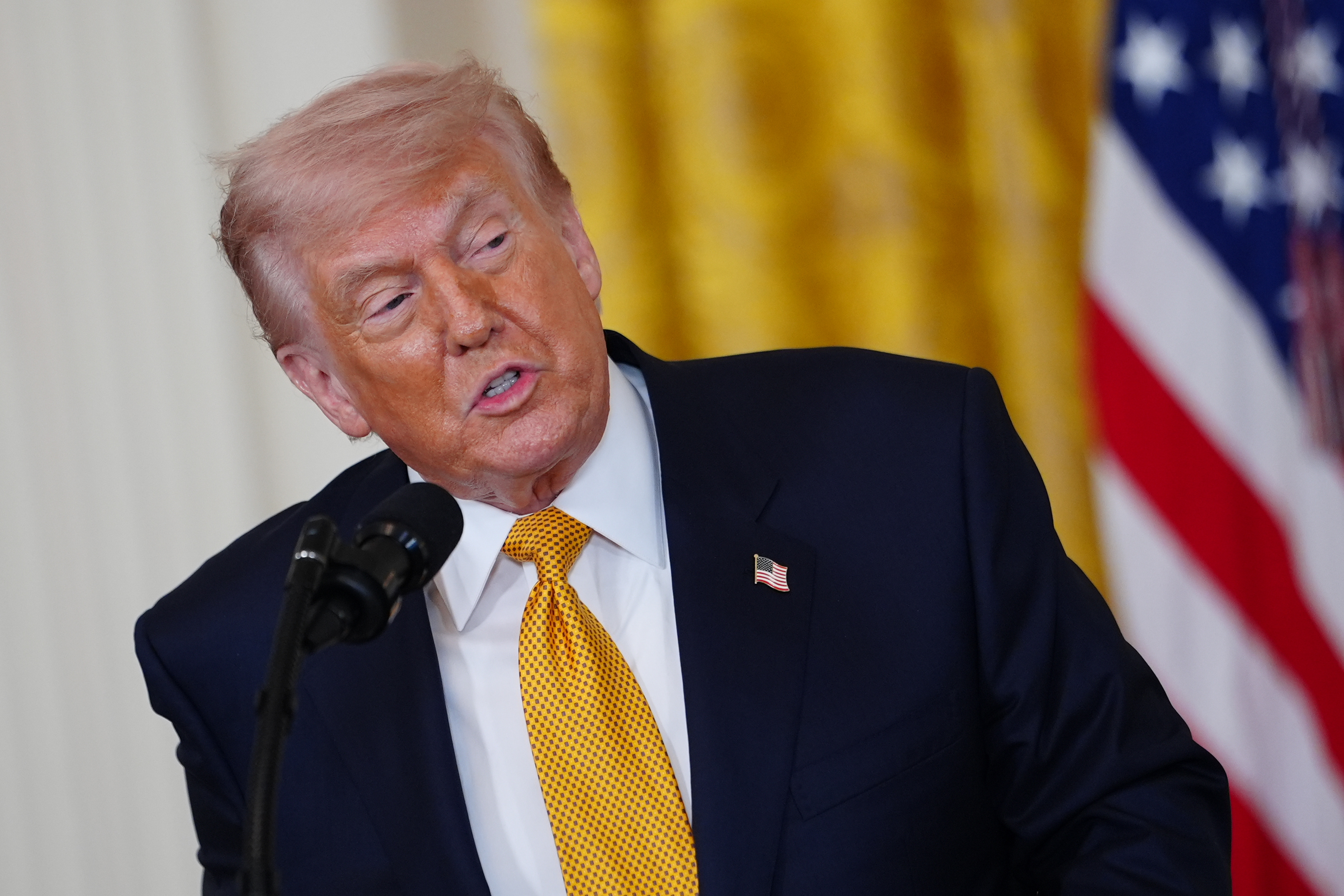
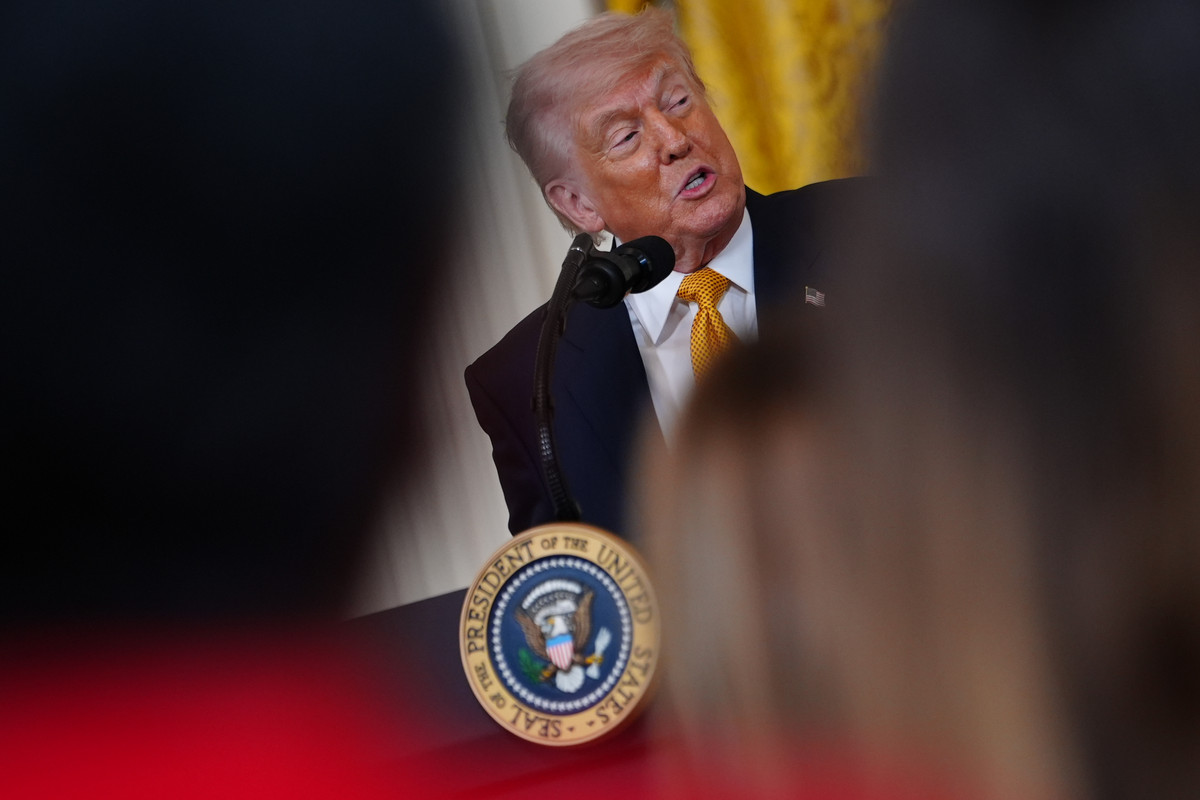
President Donald Trump has personally attacked the shipping carbon pricing effort, and his administration’s sustained opposition already forced the IMO to delay a vote on the framework last October. The head of the U.S. delegation suggested last week that the measure stood no chance of passing if it came up for a vote this time around.
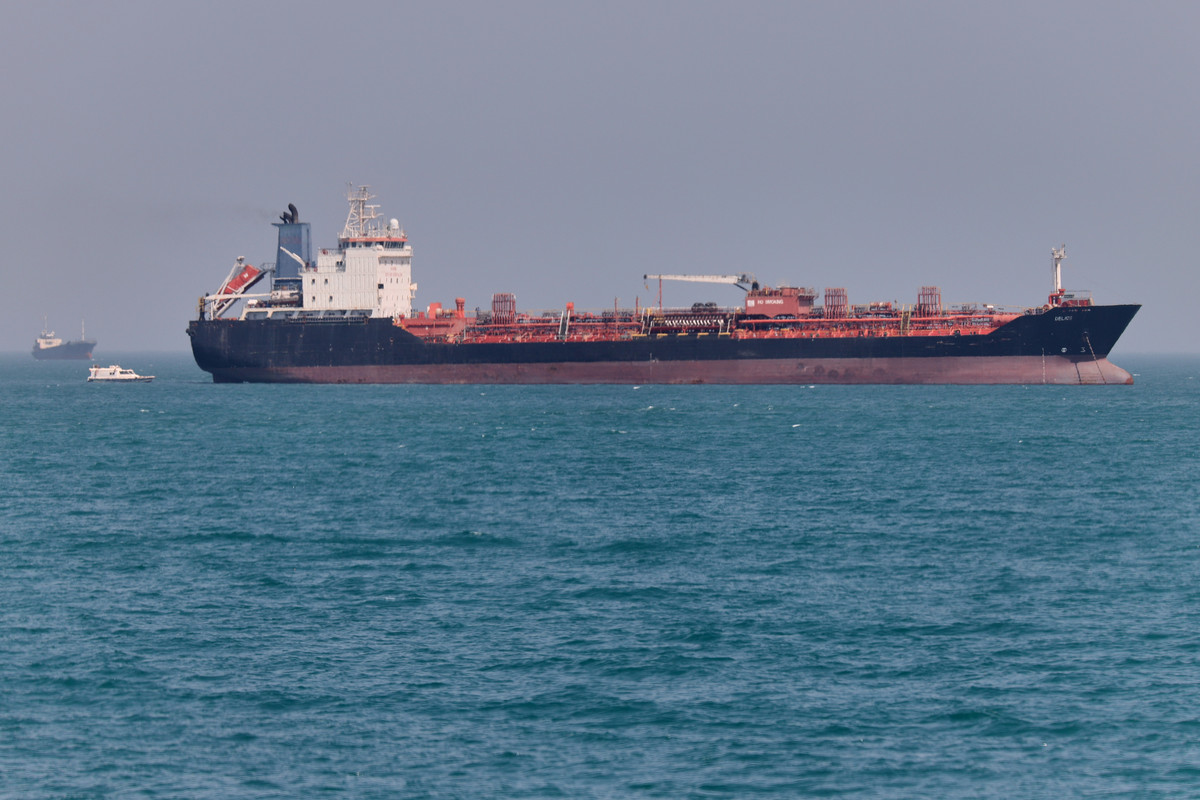
The United Nations shipping body is meeting in London to negotiate a broader framework for curbing carbon pollution from one of the world’s hardest-to-decarbonize sectors. The shipping industry is responsible for nearly 3 percent of global greenhouse gas emissions, a share that is expected to grow as other sectors reduce their carbon footprints.
A deepening divide
The U.S. campaign highlights a widening rift between Washington and many other governments over how to regulate emissions from international trade. Proponents of the carbon levy argue that a uniform price on pollution is the most efficient way to drive investment into green technologies such as ammonia and methanol fuels. Opponents, led by the United States, contend that the costs would disproportionately hurt emerging economies and disrupt global supply chains.
With the flyers now circulating among delegates, the outcome of this week’s IMO session remains uncertain. The measure’s backers are pushing for a vote, but the U.S. delegation’s aggressive lobbying may once again force a delay, prolonging a standoff that has already stretched for months.