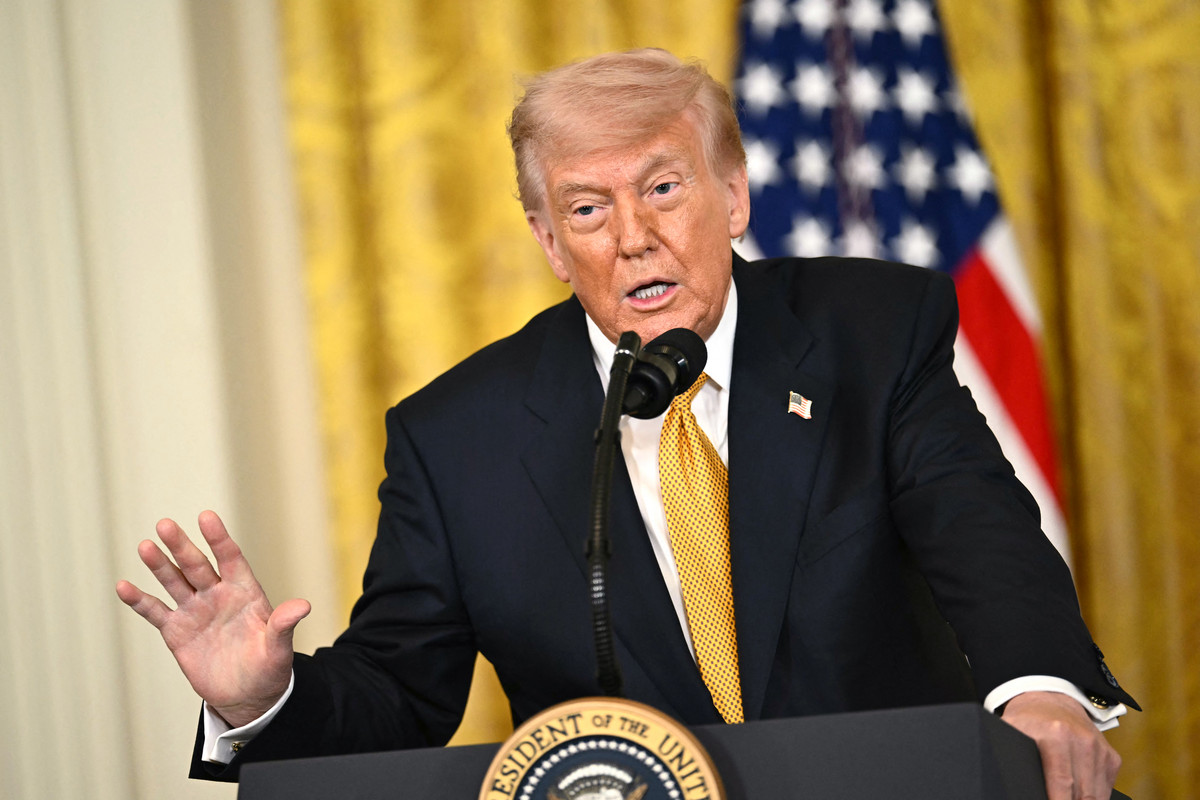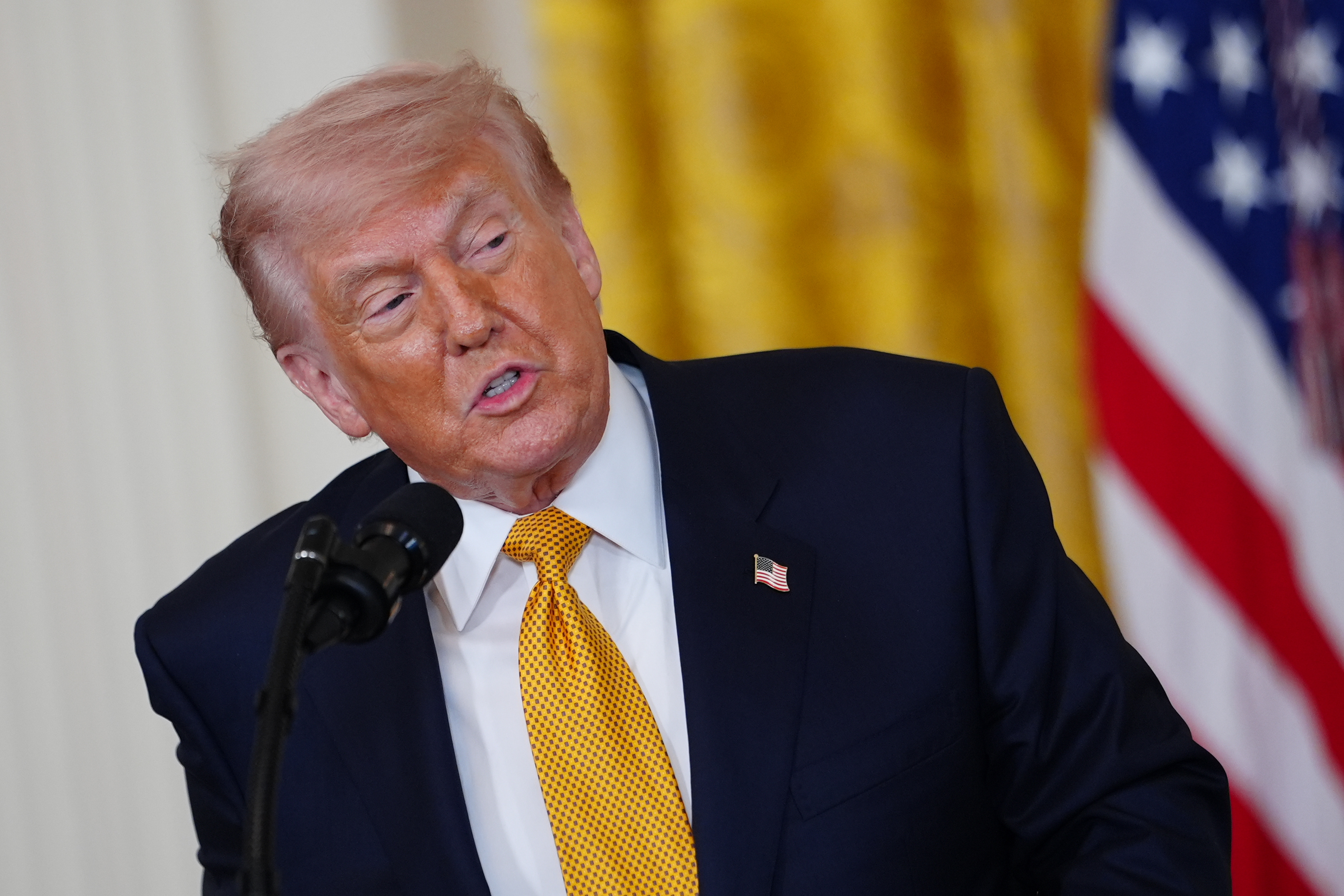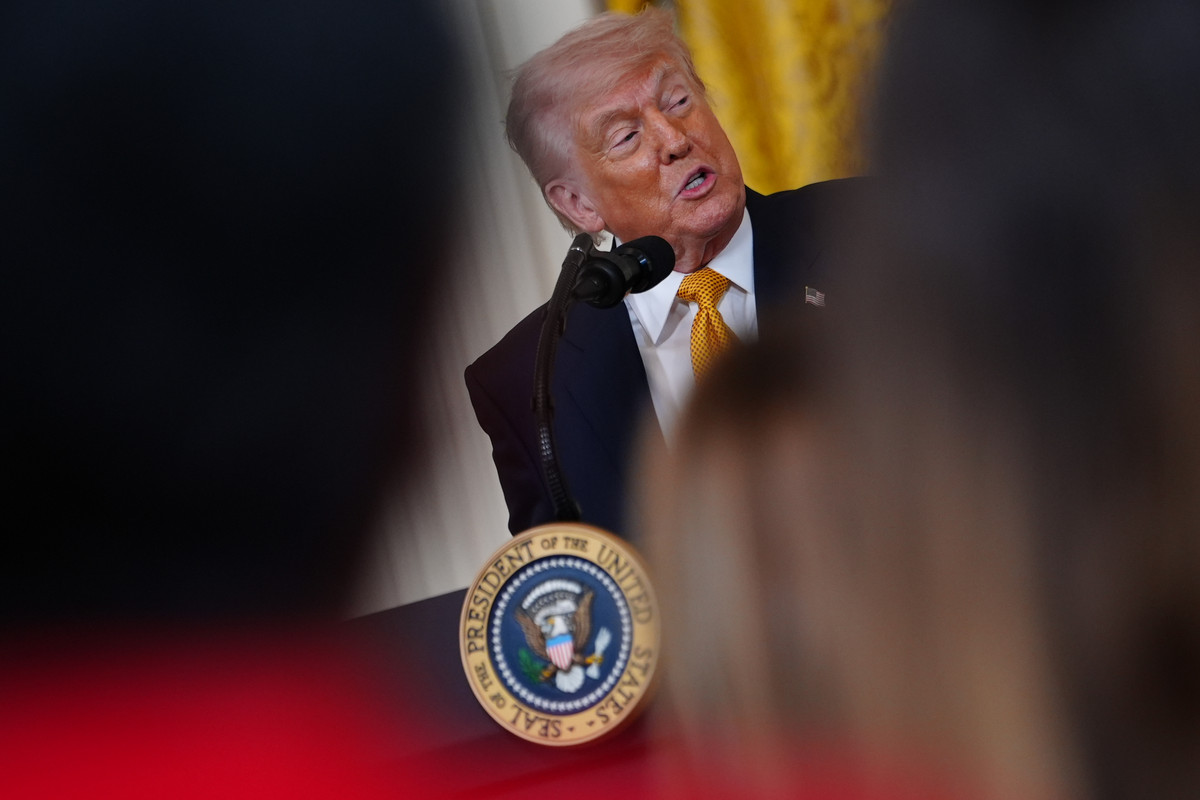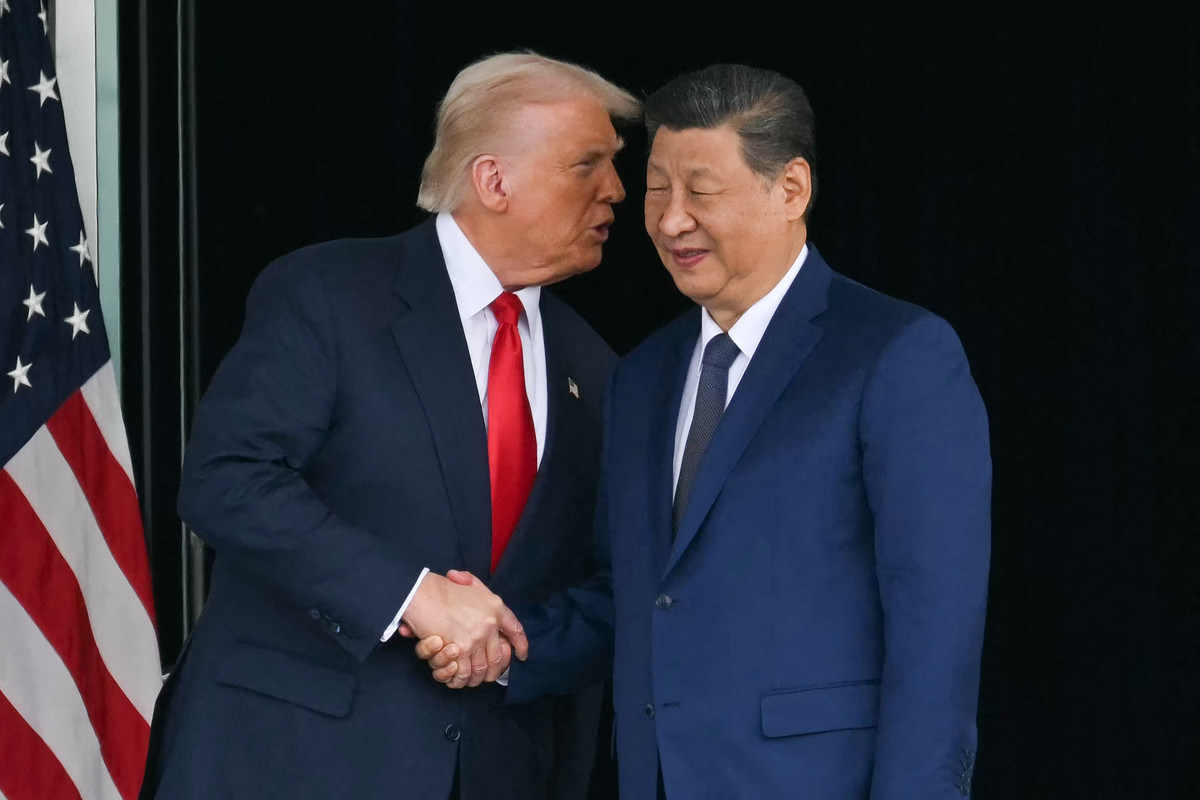
As footage of explosions in Tehran flashed across screens worldwide, Donald Trump addressed the Iranian people directly, telling them their "hour of freedom" had arrived and urging them to seize their government. The unprecedented call for regime change marked the culmination of a devastating aerial campaign by U.S. and Israeli forces, which had already killed Supreme Leader Ali Khamenei and decimated key security installations.
This explicit strategy hinges on a critical assumption, that a population long oppressed by its own government will now, empowered by foreign bombs, finish the job of its own liberation. The administration's calculus is clear, decades of mass protests, met with brutal state violence, prove the Iranian people's profound hatred for the Islamic Republic. With its leadership and repressive apparatus under direct attack from the air, Washington believes a weakened regime will finally buckle under resumed popular pressure.
Yet regional scholars and political scientists, while sharing a desire for democratic change in Iran, view this bet with profound doubt. They point to a dismal historical record, aerial bombing campaigns are notoriously ineffective tools for spurring internal revolutions. "The idea that external shock leads directly to organized, internal takeover is a persistent and flawed fantasy," one analyst noted, speaking on background due to the sensitivity of the topic.
The experts cite several structural reasons for skepticism. Iran's security forces, though damaged, are vast, experienced in crushing dissent, and have prepared for foreign intervention for over forty years. Furthermore, the country's political opposition is weak and notoriously fragmented, lacking a unified leadership to channel any public fury into a coherent movement. The immediate aftermath of such a shock attack may induce paralysis and a focus on survival, not mobilization.
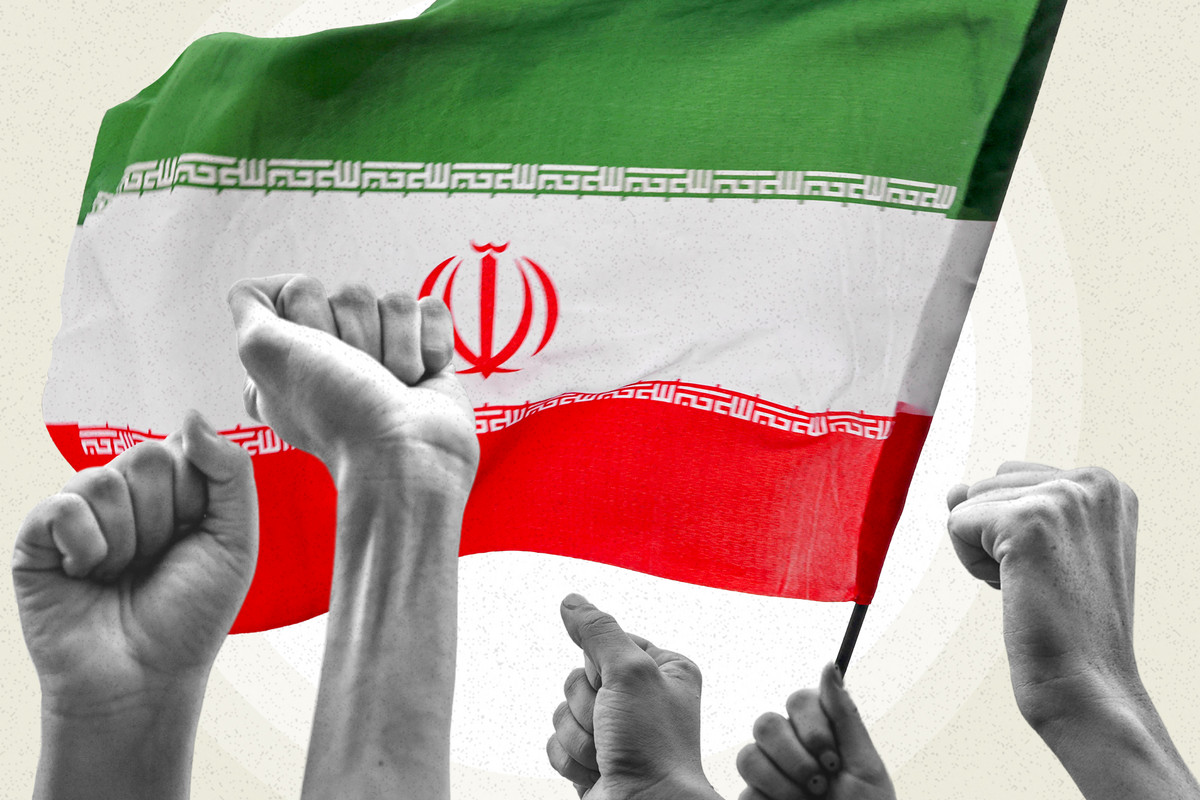
This is not to dismiss the agency or courage of the Iranian people. The nation has witnessed repeated waves of mass protest, from the Green Movement in 2009 to the widespread demonstrations in late 2025, each met with lethal force. For an autocracy, Iran maintains remarkably high levels of civic engagement and public political discourse, often conducted at great personal risk.
The central question, however, is whether this ingrained resilience can translate into successful revolution under these specific, violent conditions. The foreign attack may inadvertently strengthen the regime's narrative of defending national sovereignty against external aggressors, complicating the opposition's message. The chaos could also empower even more hardline elements within the remaining security establishment.
Ultimately, the U.S. strategy represents a high-risk gamble on the predictability of human behavior under extreme duress. It assumes that the removal of key figures and the bombing of government buildings will create a predictable power vacuum for democratic forces to fill. History and expert analysis suggest the reality is far messier, and the path from ruins to a stable, new order is perilously uncertain.