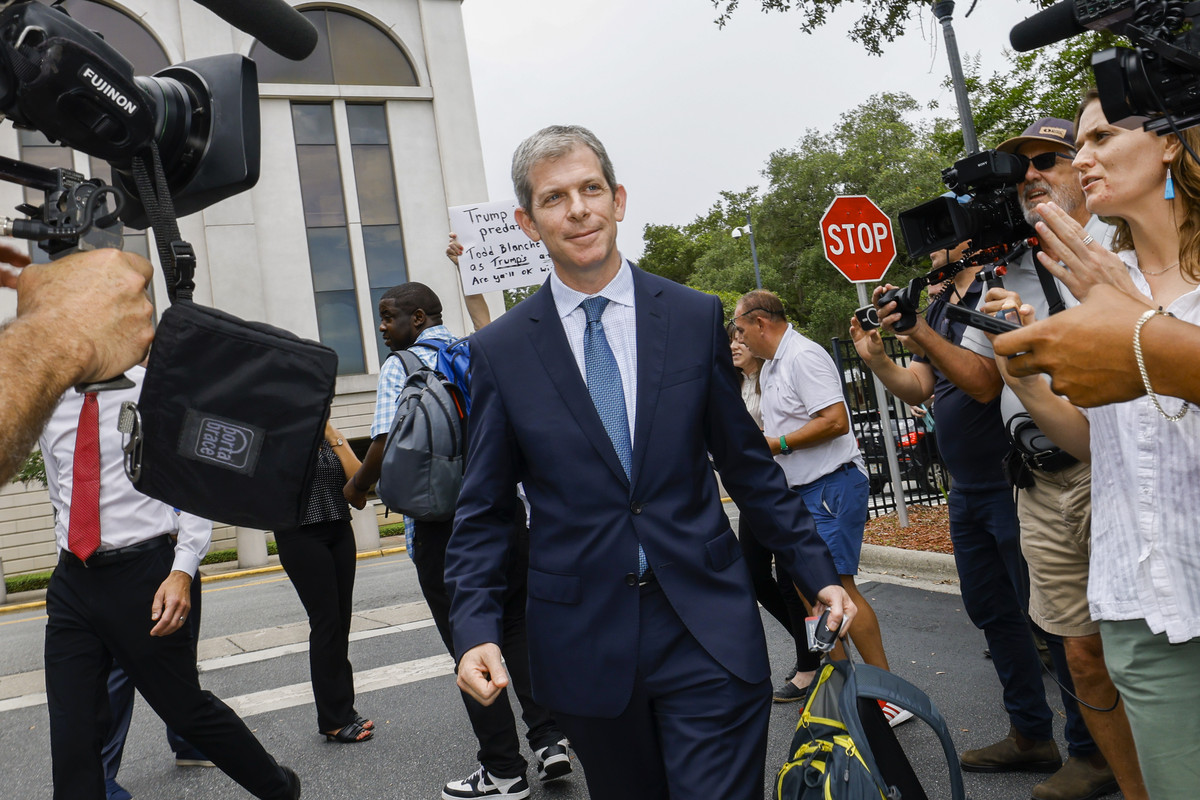
For the prominent Miami defense attorney, his newest and most notorious client, Ghislaine Maxwell, belongs in that same category.
Markus is now the central legal figure in Maxwell’s long-shot bid for executive clemency. Maxwell, the only convicted co-conspirator of the late financier Jeffrey Epstein, is serving a 20-year sentence for sex trafficking minors and other crimes. Her formal request for a pardon or commutation rests with the Trump White House, a process Markus is actively navigating with senior Justice Department officials.
“I think she’s a scapegoat,” Markus said in a recent interview, arguing that Maxwell would not have been prosecuted had Epstein not died in jail. This defense aligns with his career-long specialization in representing controversial figures, a practice honed under the mentorship of famed attorney Alan Dershowitz.
The push for clemency unfolds against a backdrop of intense political pressure for more accountability in the Epstein scandal. Congressional investigations have dragged on for months, repeatedly ensnaring the Trump administration due to the president’s past association with Epstein. This climate has complicated Markus’s mission while also, he suggests, creating potential leverage.
A Bargain for Testimony
Markus has communicated to Congress that Maxwell, who previously invoked her Fifth Amendment right before the House Oversight Committee, would agree to provide full testimony if granted clemency. This offer positions her potential cooperation as a key to unlocking further secrets of Epstein’s network.
The proposition has been met with sharp condemnation from lawmakers leading the probe. “The idea that she deserves a pardon is disgusting and outrageous,” said Representative Robert Garcia, the top Democrat on the Oversight Committee. He emphasized that Maxwell refused to answer any questions during her earlier appearance.
For Markus, the congressional outrage is simply part of the process. He views the political storm around the Epstein files as inseparable from his client’s legal strategy, acknowledging that investigators “have their own job to do.” His focus remains on the singular objective of securing Maxwell’s freedom through executive action.
The outcome now depends on a calculation of political risk and potential gain for a president facing his own scrutiny over Epstein. Markus’s underdog narrative for Maxwell will be tested not just in the court of public opinion, but in the opaque, high-stakes arena of presidential pardon power.