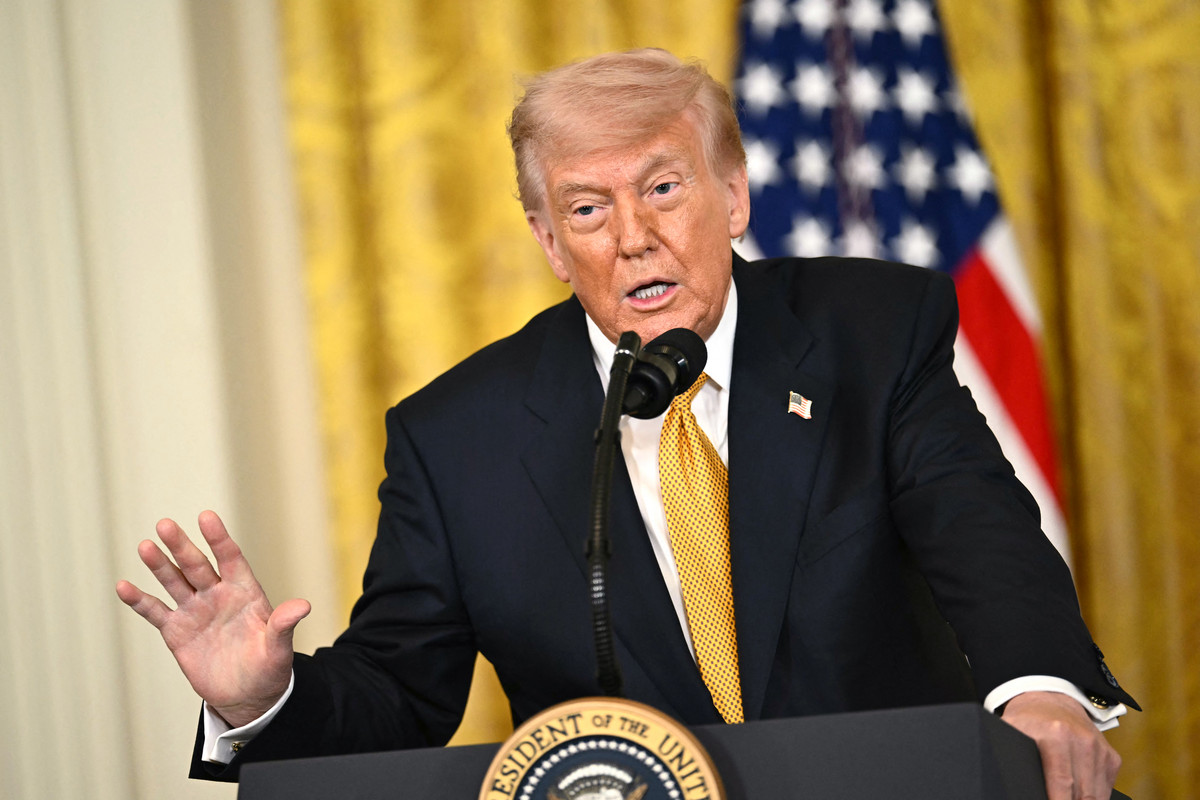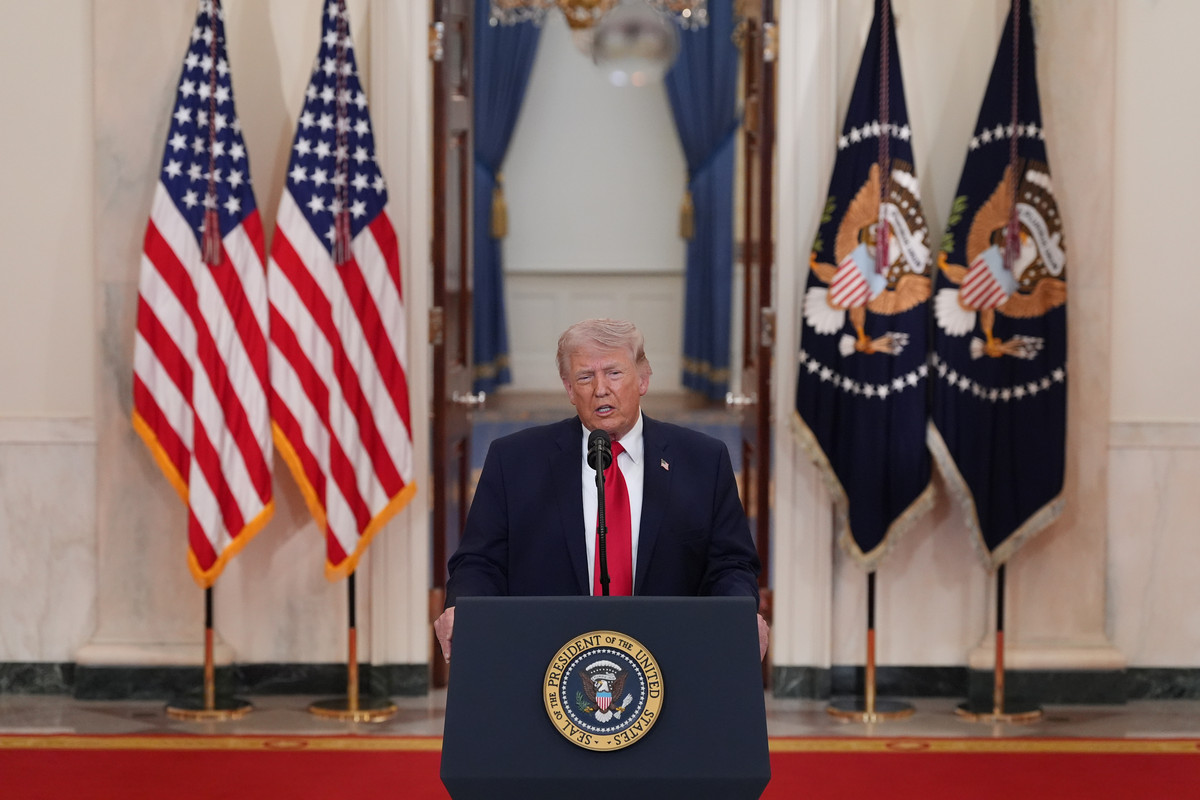
His rationale was a single, powerful statistic: America is now the globe's top oil producer.
The president's assertion that the U.S. imports almost no oil through the strait and "won't be taking any in the future" is technically accurate. The shale boom has dramatically reduced direct American reliance on Persian Gulf crude. Yet this declaration of energy independence, a cornerstone of his administration's foreign policy posture, masks a more complex and interdependent reality.
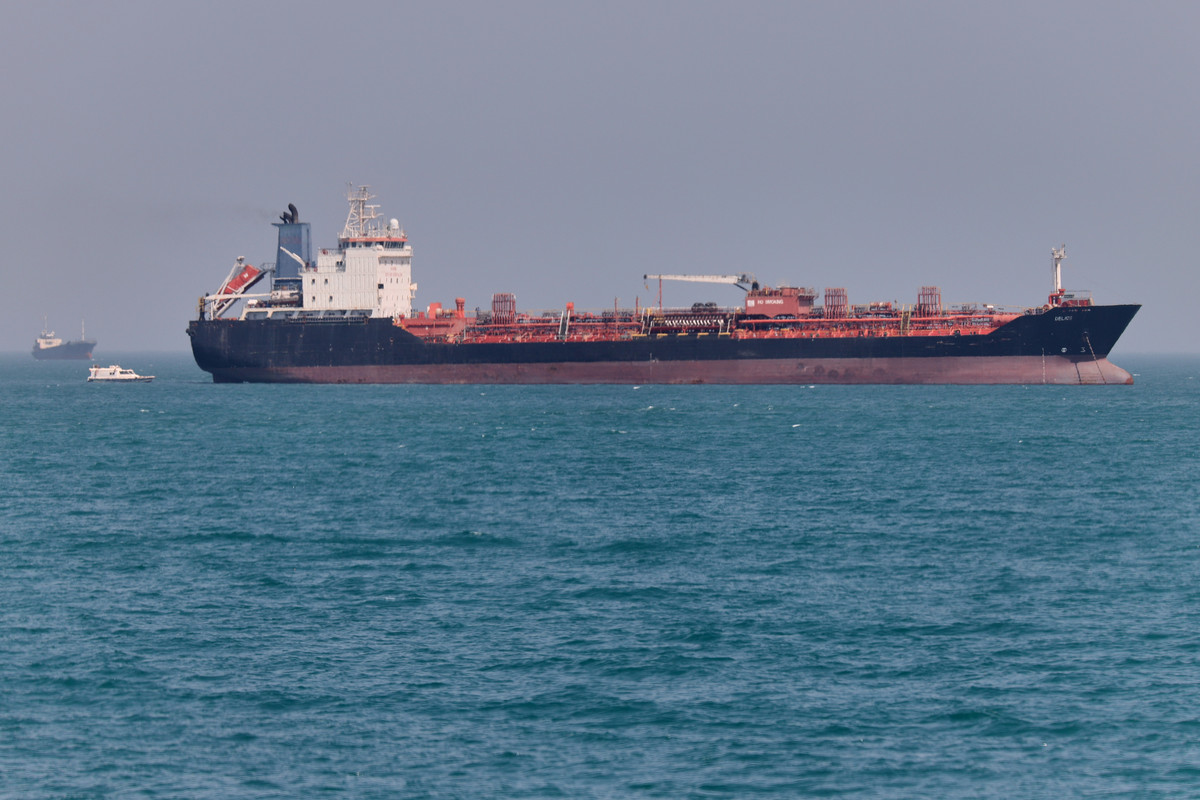
For weeks, oil and gas executives have been privately urging the administration to end Iran's military pressure on the strait. Their concern is not primarily about the flow of oil to American shores, but about the stability of the global market in which they operate. A disruption in the Hormuz corridor, through which about a third of the world's seaborne oil passes, would trigger price shocks that ripple through every economy, including the United States.
A Shattered Illusion
The recent conflict with Iran has shattered a long-held political illusion. For years, policymakers in both parties believed the fracking revolution would finally decouple U.S. national security from the volatile politics of the Middle East. The logic was seductive: with domestic production soaring, foreign entanglements for oil's sake seemed a relic of the past.
This perceived insulation led the Trump administration to initially view military action against Iran as a relatively low-risk economic proposition. The calculation was that a global supply glut, partly of America's own making, would cushion any blow. That assumption proved dangerously simplistic.
The U.S. and Israeli strikes in March, and the retaliatory actions that followed, demonstrated with brutal clarity that trouble in the Persian Gulf still translates directly into global trouble. The immediate market turbulence scrambled investment calculations for major energy firms, proving that geography and globalized markets still trump declarations of energy dominance.
Ultimately, the president's rhetoric reflects a fundamental misunderstanding of how modern energy markets work. True security does not come from a mythical self-containment, but from managing the intricate web of global flows that determine price and stability. By proclaiming an end to a dependency that was already transformed, the administration risks ignoring the new forms of vulnerability that have taken its place.