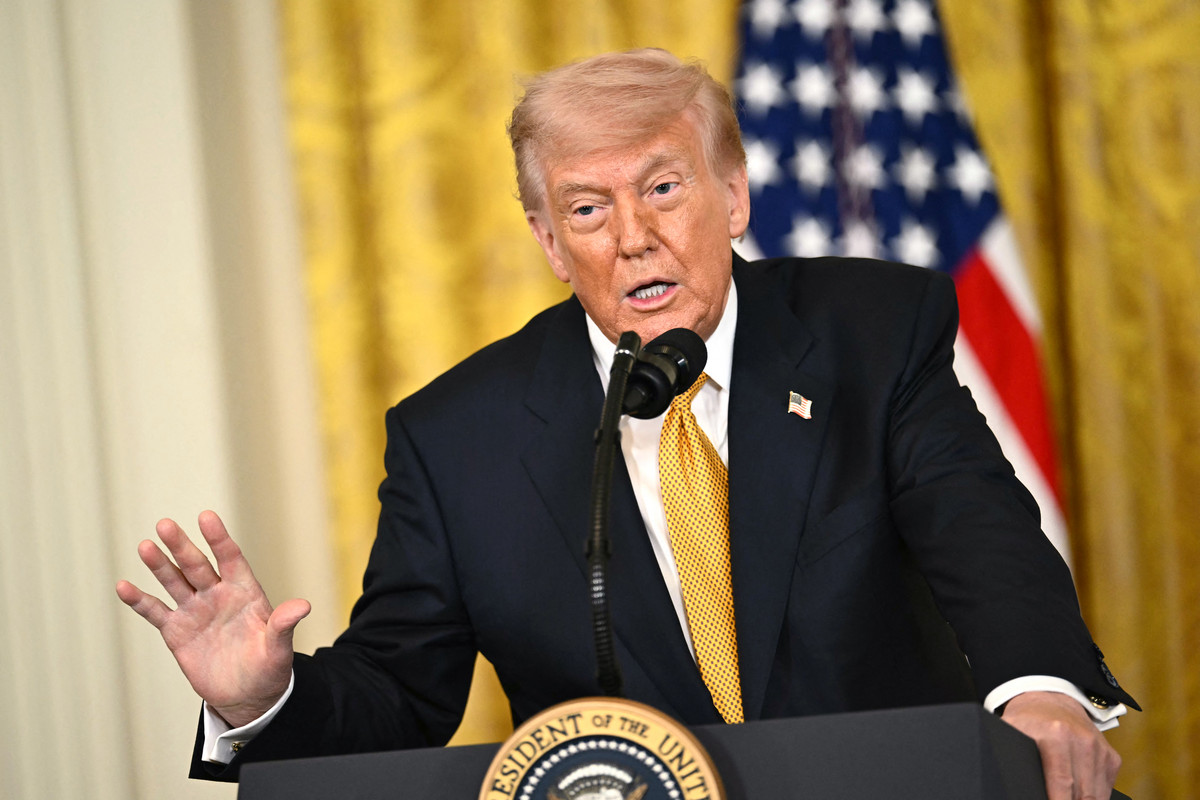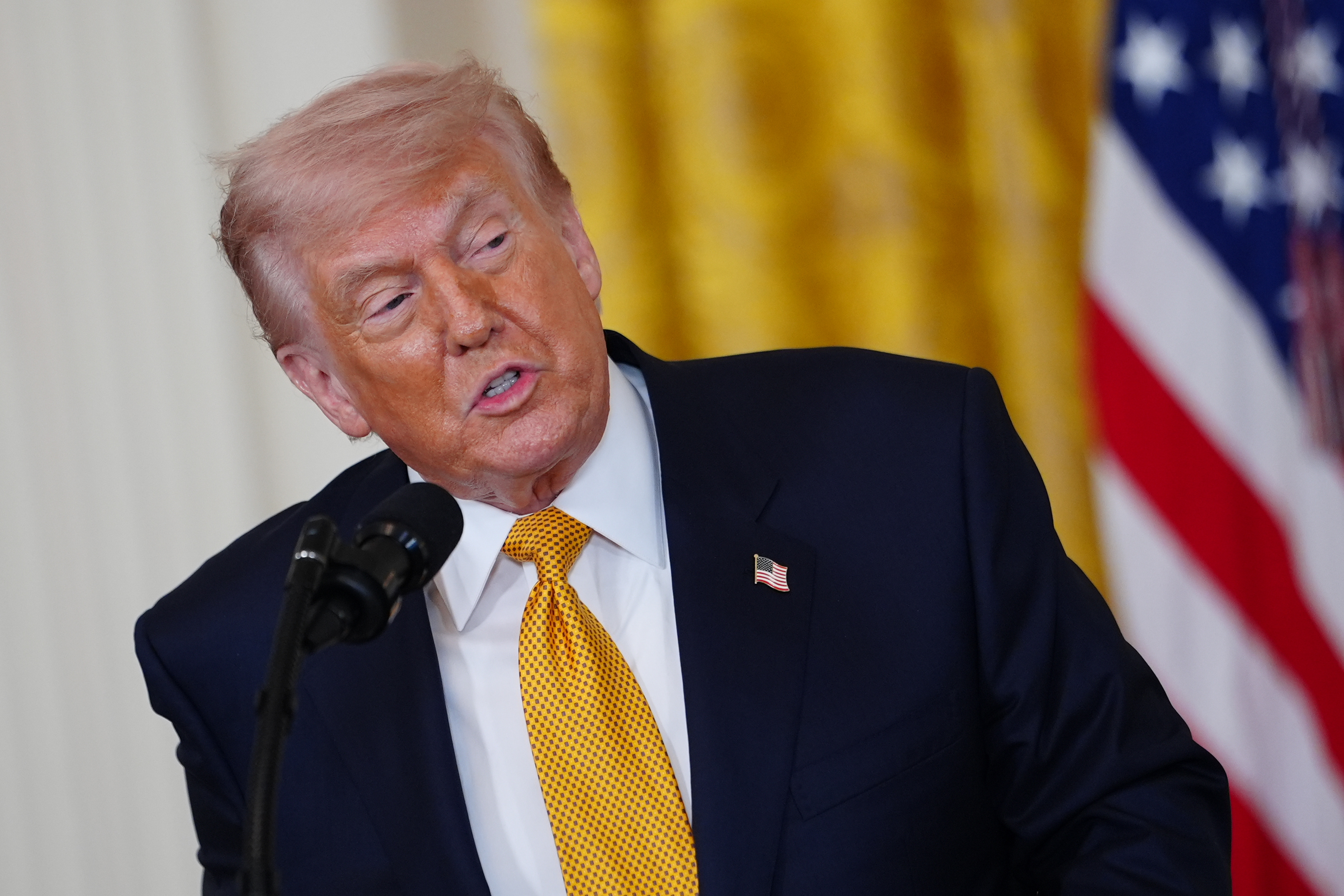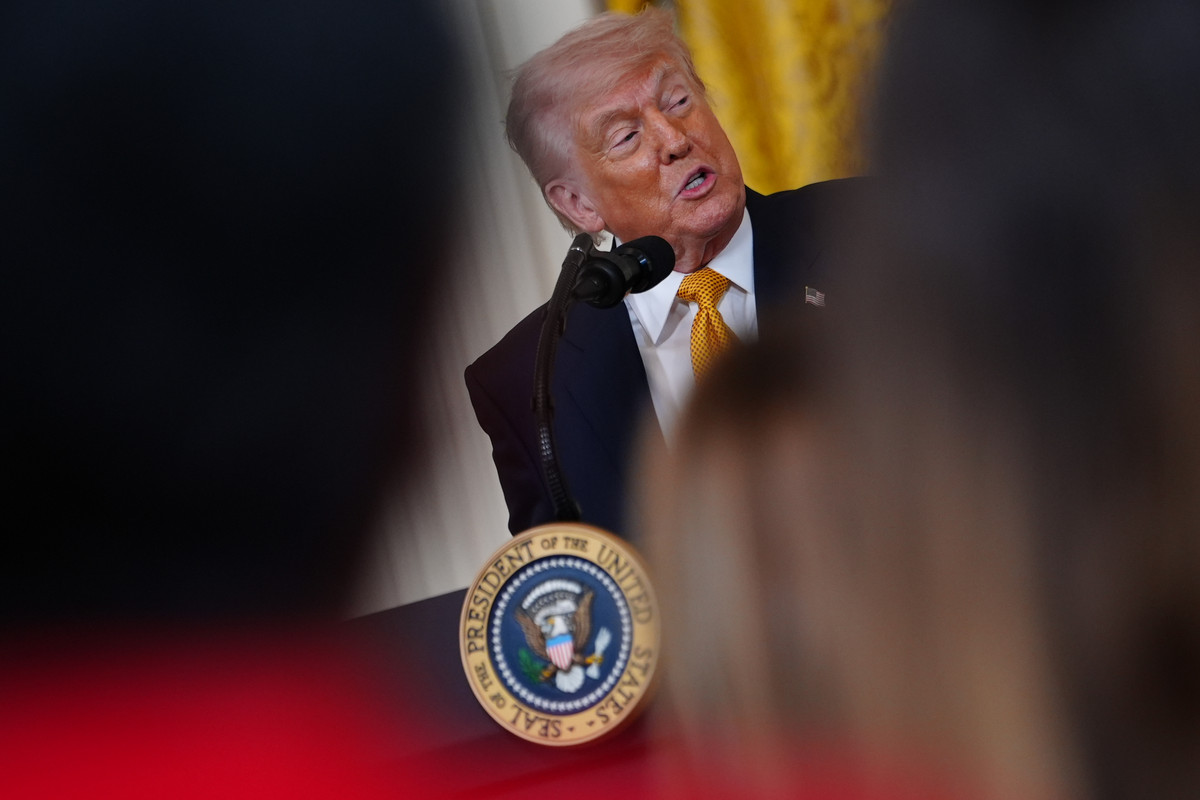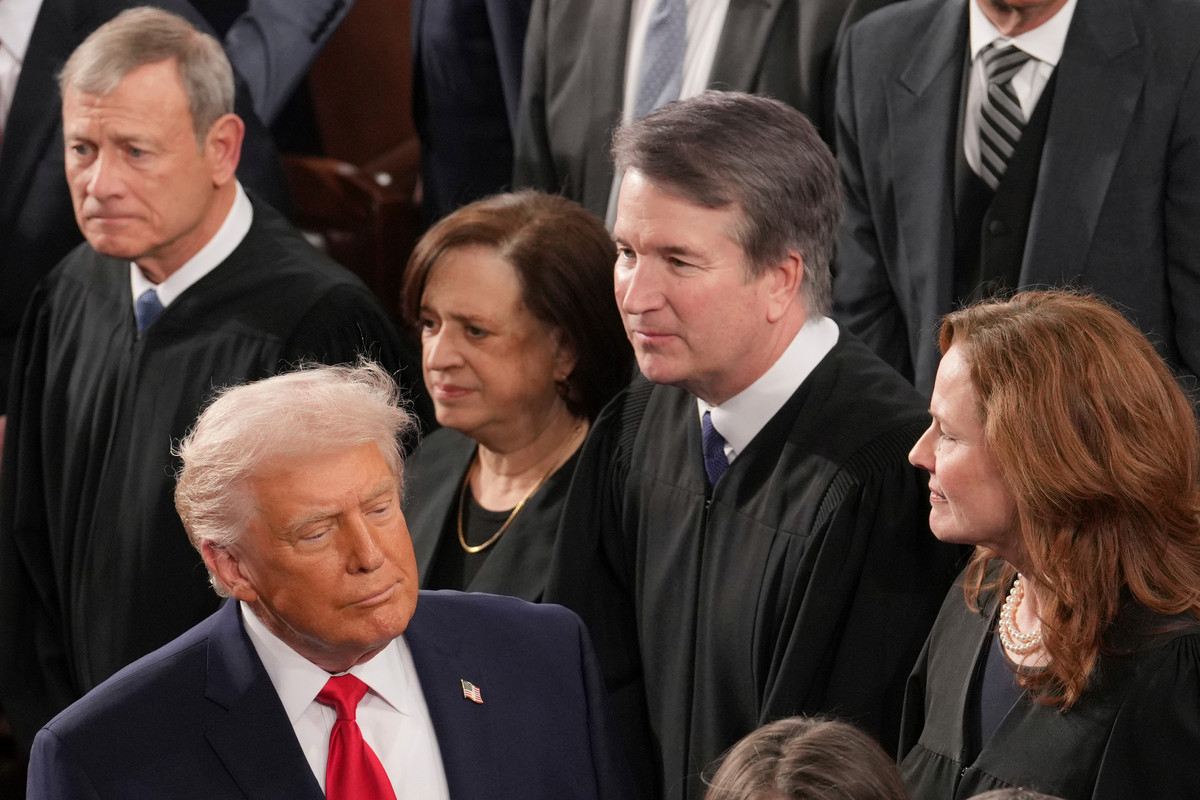
The scene presented a ripe opportunity for a public confrontation, but the anticipated attack never came.
Instead, the president’s remarks on the ruling were notably contained. He criticized the decision as disappointing and unfortunate, a stark departure from his initial reaction. Shortly after the court’s ruling, Trump had lashed out at the six justices in the majority, including two of his own appointees, suggesting they were influenced by foreign interests.
His rhetorical shift from incendiary to institutional, however grudging, served to clarify a major legal question. It underscored the reality that the president is bound by the Supreme Court’s rulings, both as a legal obligation and a practical political necessity. This fundamental tenet of the constitutional order would not normally merit comment, but it has taken on new significance.
The court’s decision invalidated what the administration had termed emergency tariffs, a move that had drawn cheers from anti-tariff Republicans and caused world leaders to watch American policy with apprehension. The legal defeat was a significant setback for the president’s trade agenda.
The Limits of Power
For all his bluster, Trump’s ultimate compliance usefully reaffirmed the judiciary’s role as a check on executive power. The episode demonstrates that even a president known for testing boundaries recognizes the enduring authority of a definitive court ruling. The alternative—open defiance—remains a political and constitutional non-starter.
The dynamic highlights a tension that has defined much of the political era. While a president may vehemently disagree with the court and publicly scorn its justices, the mechanisms for enforcement of those judgments remain firmly in place. The system, in this instance, held.
In the end, the most telling moment was one of restraint. Faced with the justices in a venue where he commanded the stage, Trump chose not to escalate. That decision, more than any fiery speech, affirmed a foundational rule of law.