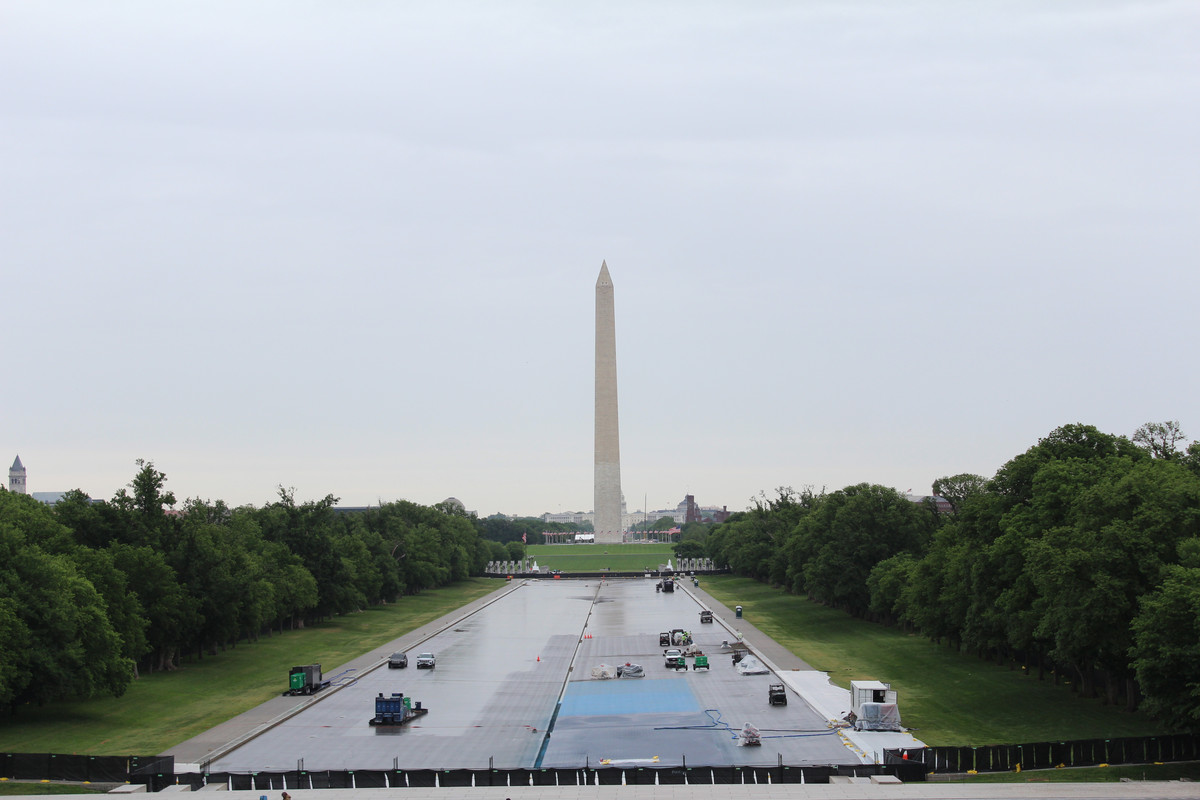
The pool, a granite basin that served as the foreground for Martin Luther King Jr.’s 1963 “I Have a Dream” speech, sat empty except for a stark strip of commercial-grade liner in a shade the administration has called “American Flag Blue.”
Trump announced last week that the reflecting pool would be coated with the painted-on material, which is commonly used in swimming pools, as a lower-cost alternative to major repairs aimed at stopping long-standing leaks. The decision comes as the administration prepares for the nation’s 250th anniversary, planning fireworks and large-scale celebrations on the National Mall. But the move has drawn critical reactions from historic preservation experts, who question both the aesthetic choice and the administration’s penchant for bypassing federal laws and procedures intended to preserve the look of the nation’s capital.
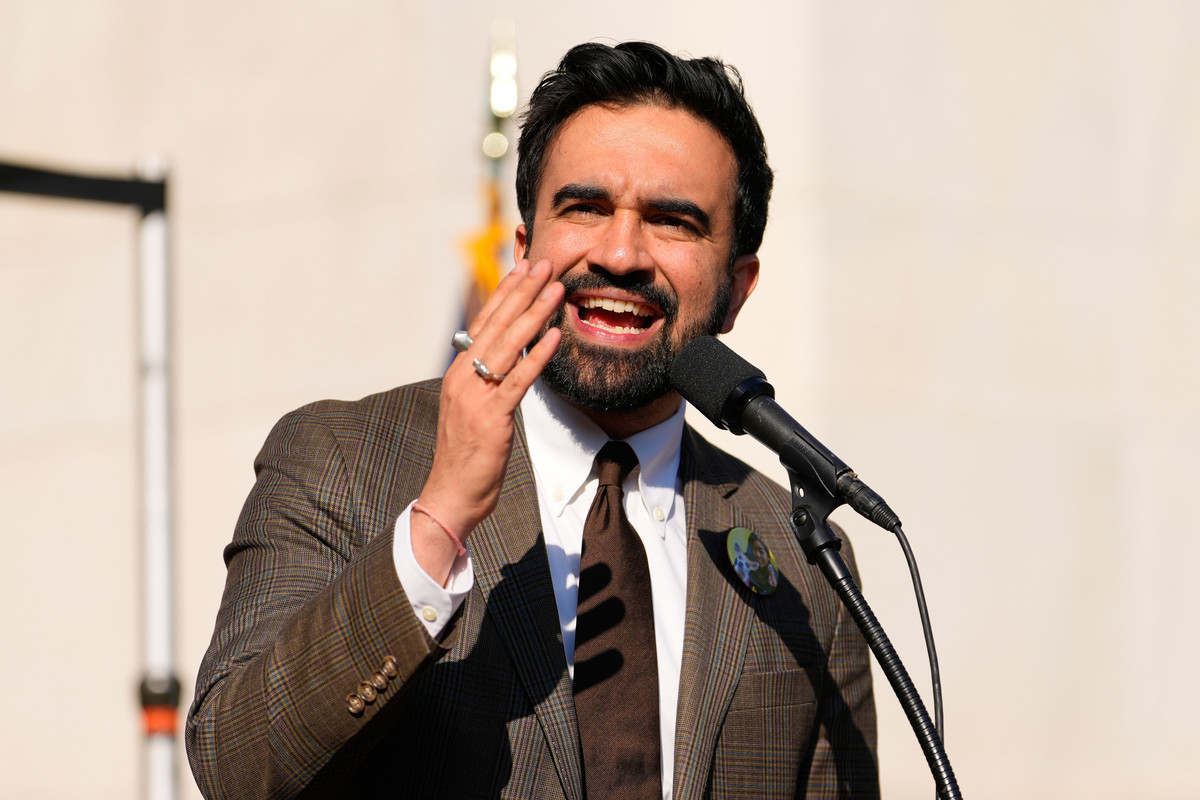
“The reflecting pool is hallowed ground,” said Charles Birnbaum, who previously served as the coordinator of the National Park Service’s Historic Landscape Initiative, which aimed to identify and preserve historic landscapes across the national park system. “It shouldn’t resemble a swimming pool.” Birnbaum and other preservationists argue that the liner alters the pool’s historic character, which was originally designed to mirror the sky and the Washington Monument rather than impose a fixed color.
Anna Leijon-Guth, a tourist from New Hampshire who sketched the Washington Monument visible beyond the pool Tuesday morning from the Lincoln Memorial, said she was puzzled by the president’s rationale. “You’re wasting your money on making a pool look a little bit bluer?” she said. “The pool’s supposed to reflect the sky, take on the hue that is off the sky. That’s what the reflection pool is all about.”
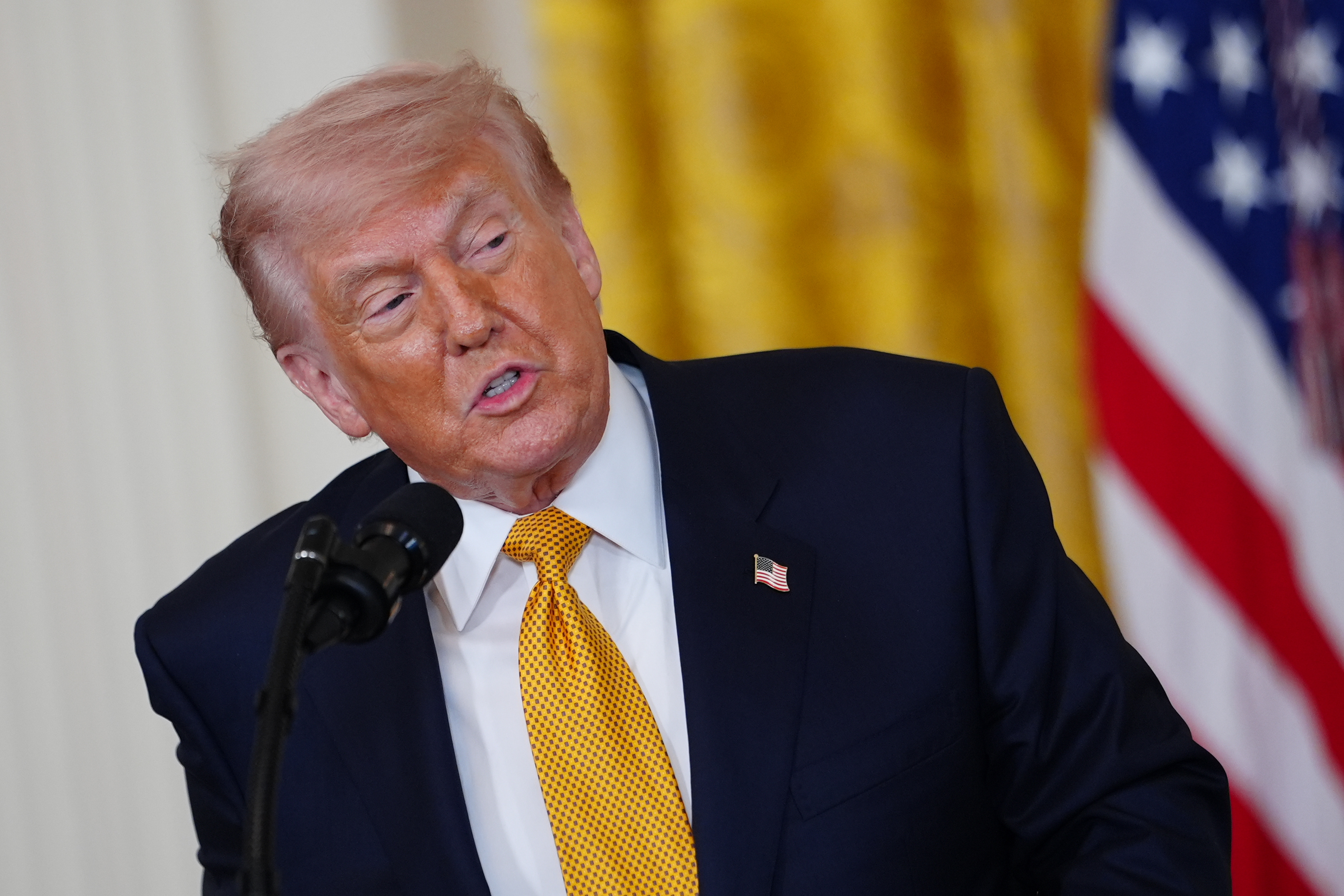
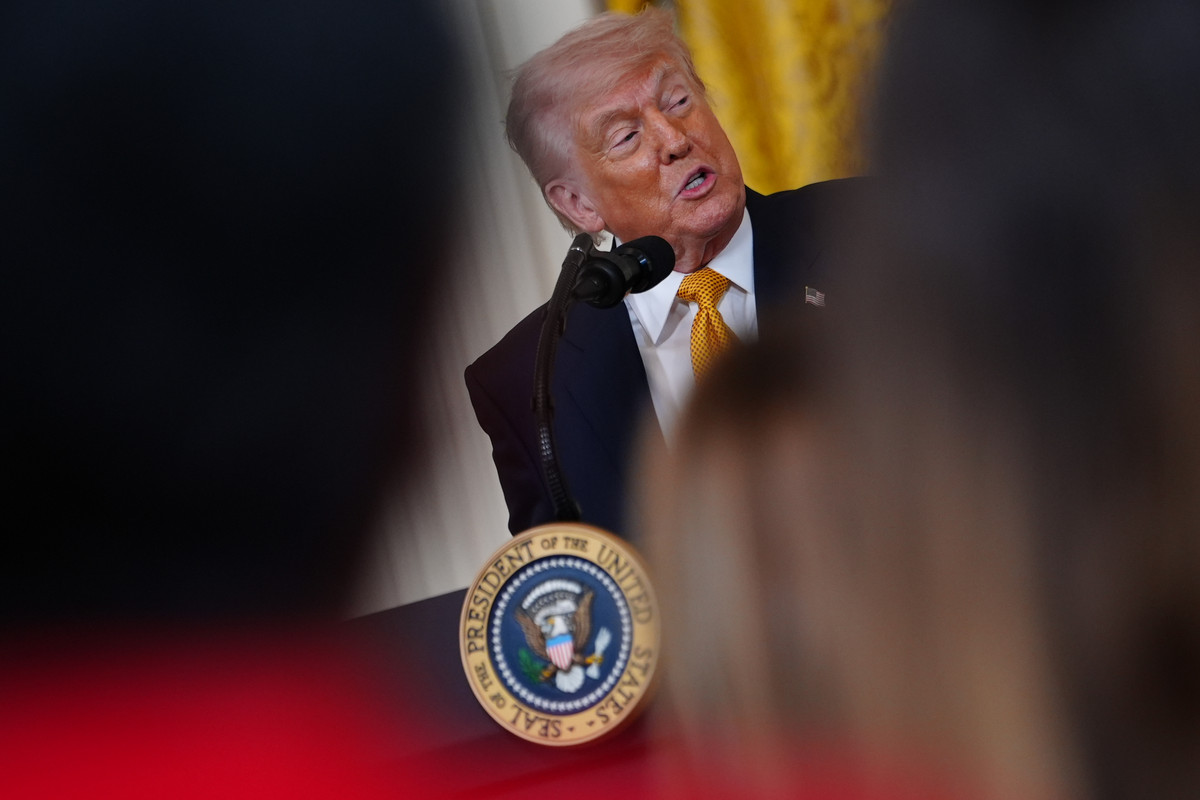
Trump touted the project Thursday, saying, “It will look far more beautiful than it did in 1922.” He said he hired contractors who have worked for him in the past on swimming pools to save money and get the job done efficiently. The administration has framed the liner as a practical fix for a pool that has leaked water for years, avoiding the higher costs of a full structural renovation.
Critics, however, see the move as part of a broader pattern of unilateral action on federal landmarks. Preservation groups have raised concerns that the administration sidestepped standard review processes, including consultations with the Advisory Council on Historic Preservation, which typically evaluates changes to nationally significant sites. The reflecting pool, part of the National Mall and Memorial Parks, sits within a designated historic district.
The project also carries symbolic weight. The Lincoln Memorial Reflecting Pool has been a stage for some of the most pivotal moments in American civil rights history, including the 1963 March on Washington. For many, the decision to treat it with a swimming pool liner feels less like maintenance and more like a political statement about the administration’s priorities ahead of the 250th anniversary celebrations.
As the blue patch dries under the Washington sun, the debate over its place in the capital’s landscape shows no sign of receding. Preservationists are left watching a historic site undergo what they see as an unnecessary and inappropriate transformation, while the administration moves forward with its vision for a more polished National Mall.