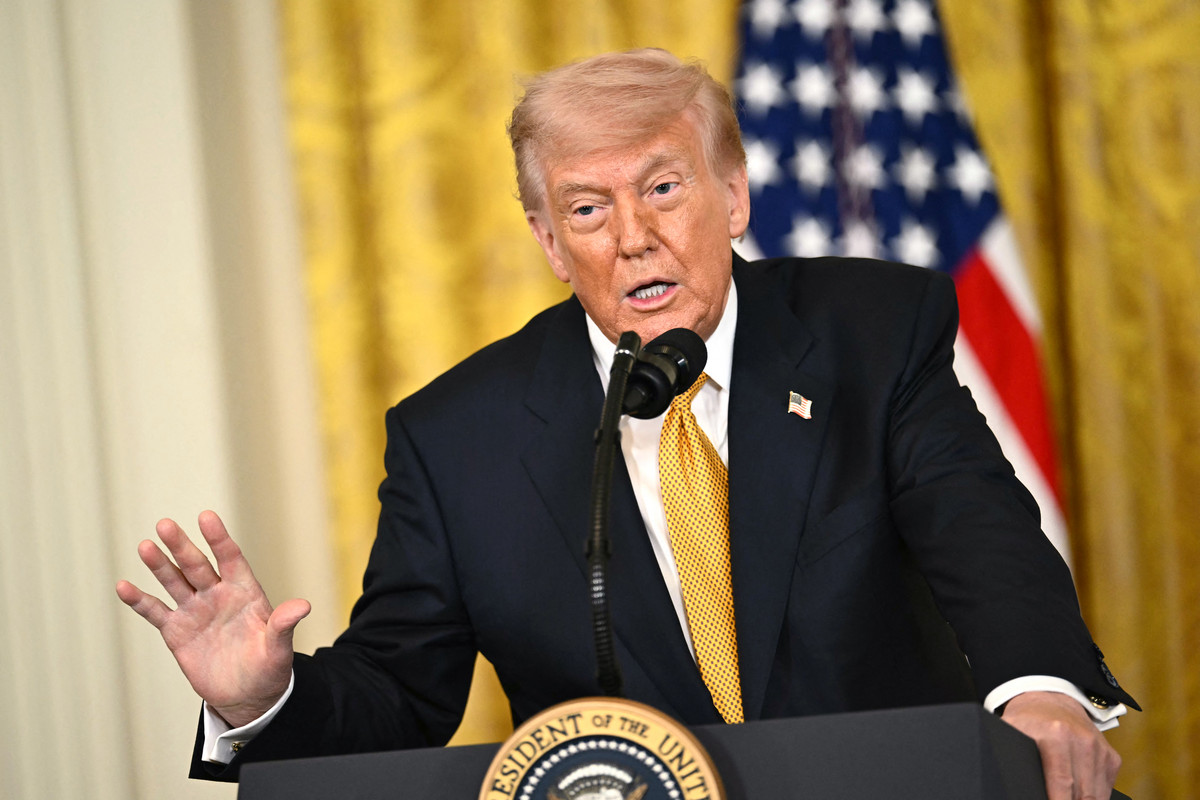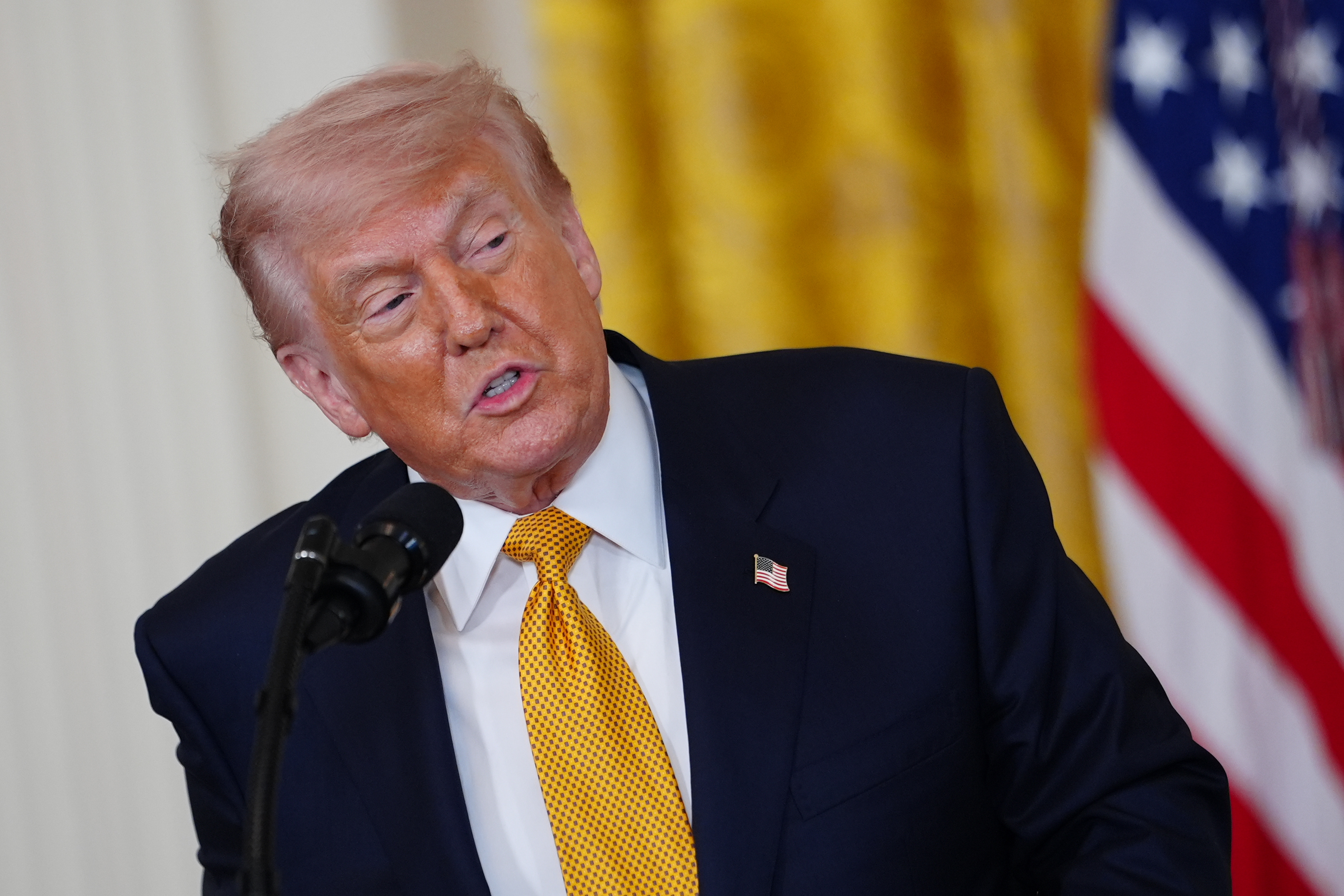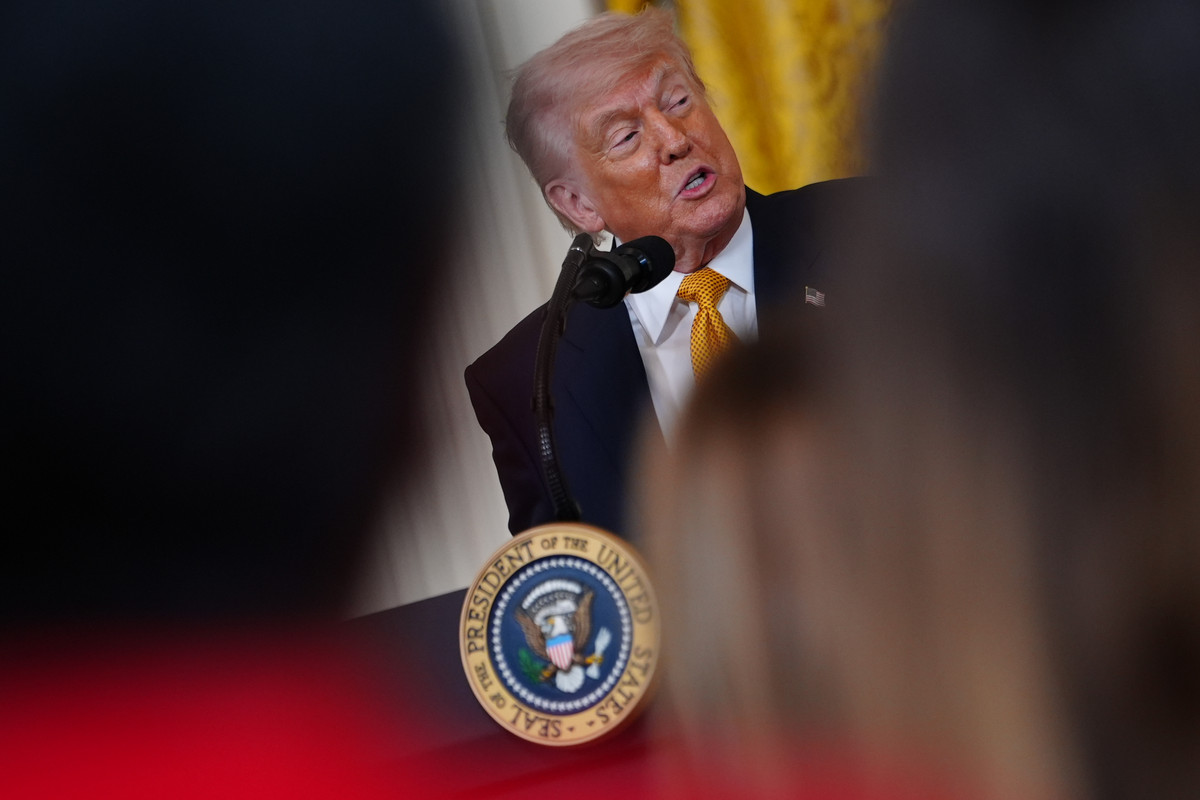
The offer to host Israeli and Lebanese leaders at the White House marks a swift shift in the American diplomatic approach. Just last week, Trump had characterized Israel's campaign against Hezbollah in Lebanon as a "separate skirmish" unrelated to talks with Tehran. By now pressuring Israeli Prime Minister Benjamin Netanyahu to halt the bombing, the administration has removed a major obstacle that Iran considered a deal-breaker.
Behind the public declarations, however, Washington and Tehran remain far apart on core issues. This gap persisted after a round of negotiations in Pakistan last weekend failed to yield a breakthrough. Faced with rising consumer costs and declining poll numbers, analysts suggest Trump may be more willing to compromise than his tough public stance indicates.
"I think he would accept more compromises because he badly wants this to end," said a senior Gulf official familiar with the peace talks. The official, granted anonymity to discuss the sensitive negotiations, added that Trump "is serious about talks and badly wants this to end, but the Iranians are so far refusing to give him what he needs to save face and leave."
Red Lines and Unanswered Questions
Despite Vice President JD Vance's claim that America's "final offer" was already delivered, backchannel discussions continue. Trump told reporters on Thursday that a new round of in-person negotiations could happen as soon as this weekend. "Iran wants to make a deal, and we are dealing very nicely with them," he said, reiterating his core demand that Iran must not obtain nuclear weapons.
The president's comments left key questions unanswered. He seemed to dismiss the specifics of a potential 20-year moratorium on Iran's uranium enrichment but only explicitly ruled out Tehran acquiring a weapon. "We have a very powerful statement that they will not have beyond 20 years, that they will not have nuclear weapons," Trump said. "There is no 20-year limit."
The White House did not clarify whether the president might eventually accept a deal permitting Iran to enrich uranium for civilian purposes. A spokesperson stated only that the negotiating team had made the U.S. position clear, leaving the door open to further interpretation and bargaining as both sides search for an elusive exit.