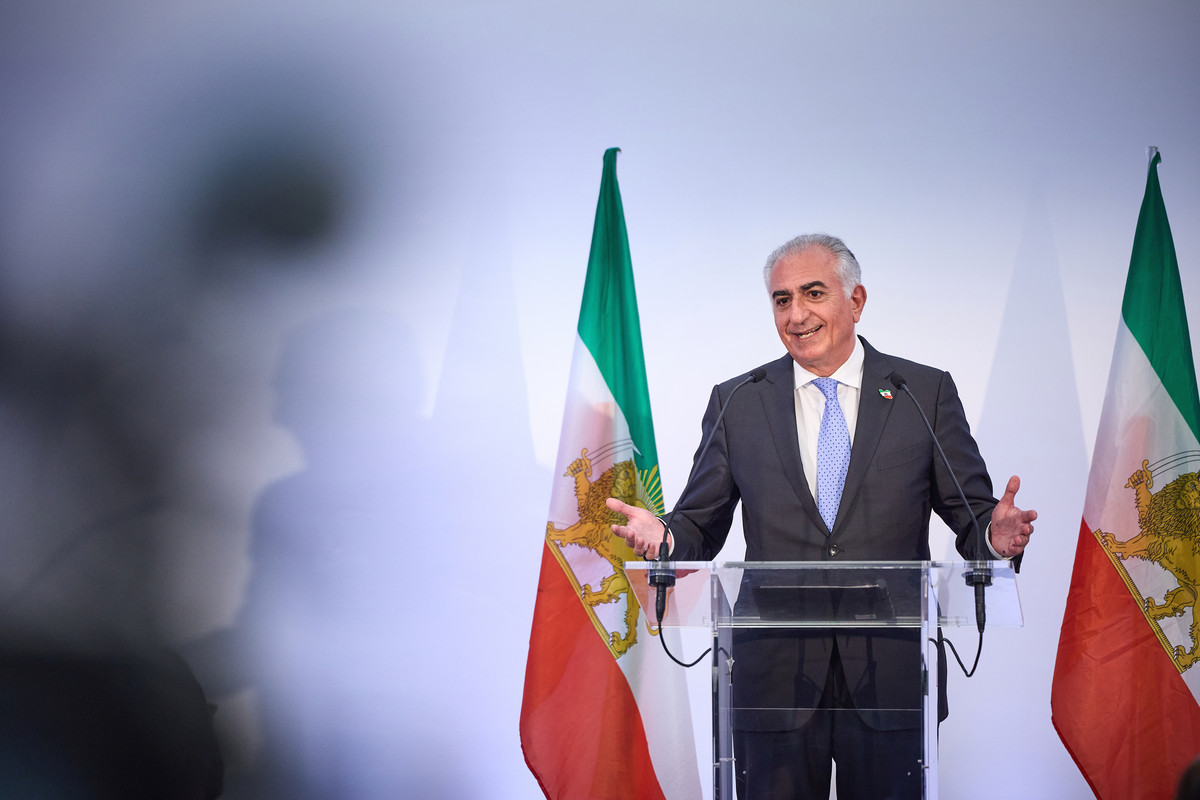
The scene was a visible measure of a profound shift among a weary Iranian populace, for whom the unthinkable is becoming a pragmatic calculation.
The eldest son of the late Shah Mohammad Reza Pahlavi, once dismissed in foreign capitals as a peripheral figure, now finds his political stock soaring. This ascent is not driven by a sudden, sweeping affection for the monarchy his father led, but by a deepening national despair. For many Iranians, both inside the country and in the vast diaspora, the overriding goal of ending the Islamic Republic’s rule has begun to eclipse other considerations, making Pahlavi a conceivable, if imperfect, vehicle for change.
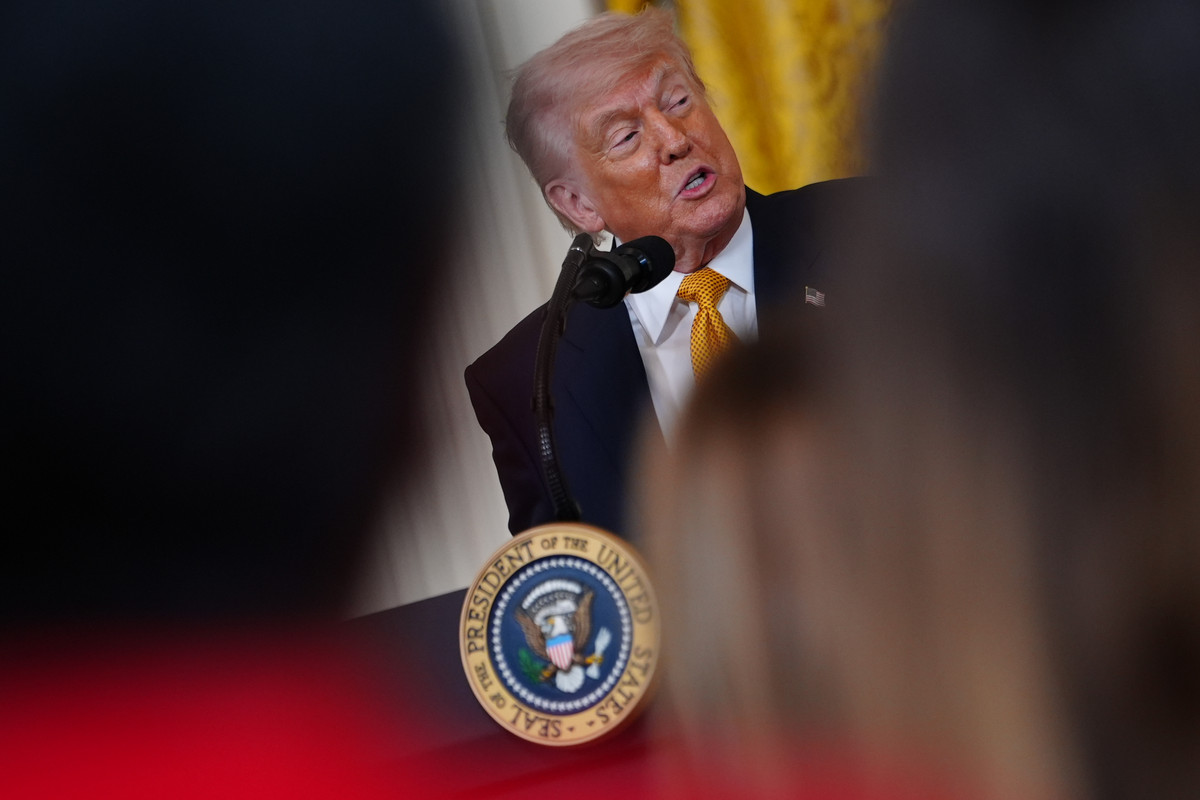
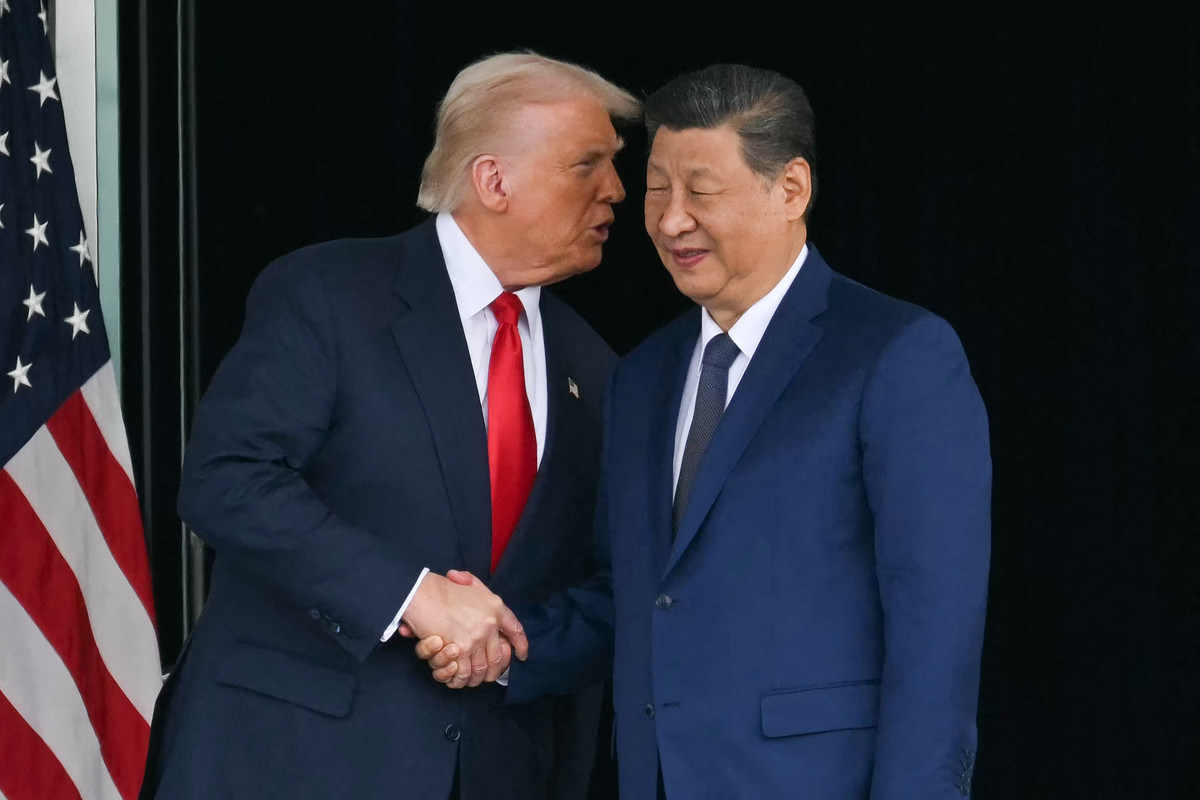
His supporters have pursued an aggressive strategy to dominate the opposition landscape, a playbook described by some observers as borrowing from the confrontational politics of former U.S. President Donald Trump. This has involved systematically marginalizing other dissident voices, often through online campaigns that question rivals' credibility and patriotism. The result is a deliberately stark choice presented to the public: Pahlavi or the current regime.
This divisive approach has fostered an environment where even mild criticism of Pahlavi can trigger severe backlash. Multiple activists, including some who respect Pahlavi personally, report being threatened, doxxed, or subjected to misogynistic abuse by his fervent backers. One individual described being screamed at by a supporter in a manner that felt physically threatening, while a former American official bluntly stated that Pahlavi’s aides, “scare me.”
A Calculus of Exhaustion
The recent spike in Pahlavi’s prominence coincides with heightened regional tensions, including Israel’s war with Iran and protests within the country. Furthermore, the prospect of a second Trump administration, which has threatened military action against Tehran, introduces the volatile possibility of forced regime change. In that chaotic scenario, Pahlavi, who has lived most of his life in the United States, could emerge as a familiar figure for shaping a post-theocracy Iran.
This potential is powerful enough that some activists deeply uncomfortable with his team’s methods say they would reluctantly support him if it meant toppling the clerics. Their stance reflects a painful pragmatism born from decades of repression and failed reform. The regime’s unrelenting grip has, ironically, made the son of the ruler it overthrew appear to some as a viable alternative.
Ultimately, Pahlavi’s rise is less a revival of monarchist fervor and more a barometer of profound national exhaustion. It underscores a desperate search for any credible pathway out of the current system, even if that path is lined with the contentious legacy of the past and the hardball tactics of the present. The willingness to “settle” for Pahlavi is, in essence, a measure of how deeply Iranians yearn for an end.