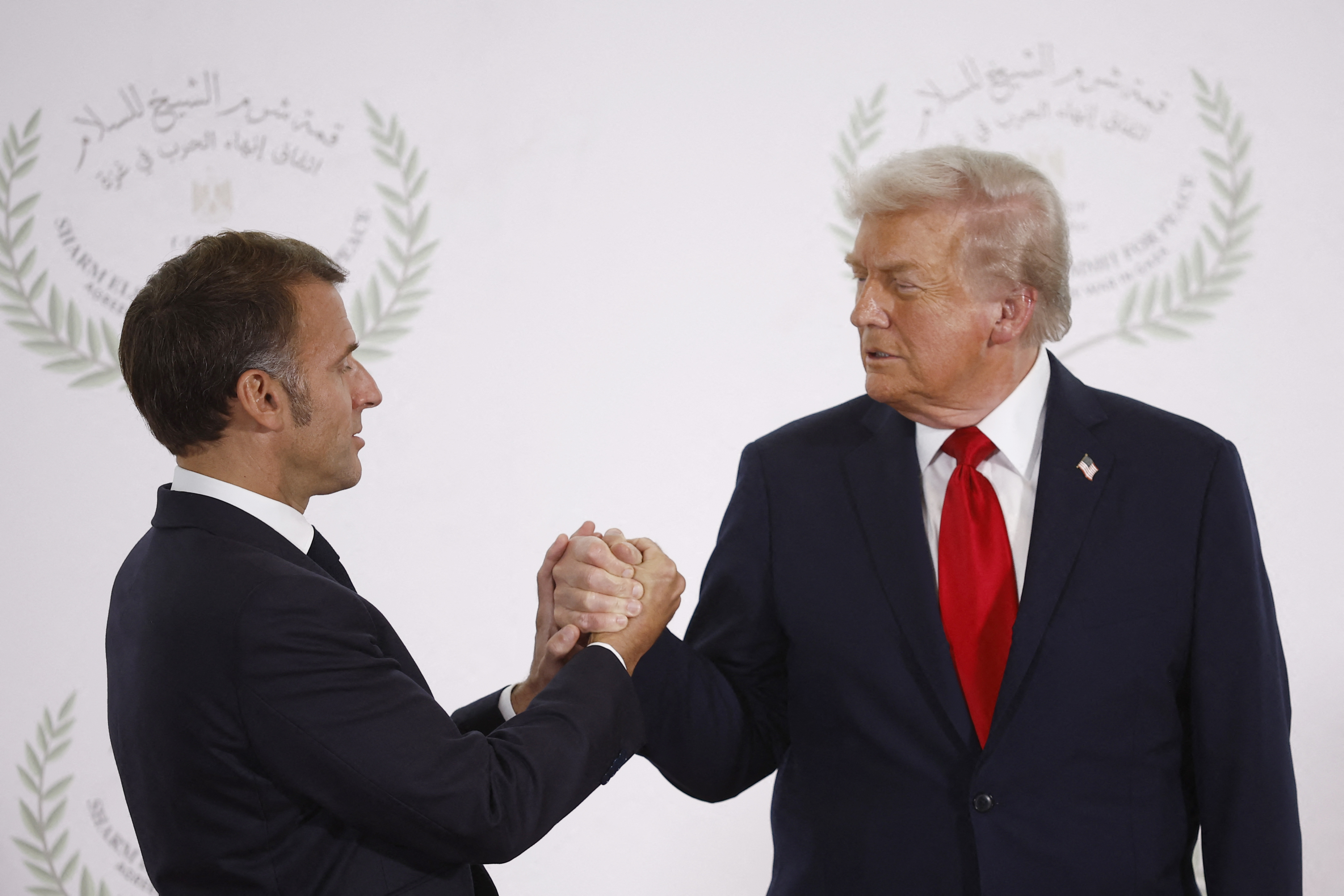
When Donald Trump and Keir Starmer sat down there this week, they shared something far less exalted: the distinct possibility that neither will finish his term.
Starmer is facing a revolt within his own Labour Party, threatened with ouster by a challenger who has not even entered Parliament. And were Trump to submit to a secret confidence vote from Republican senators, he would likely confront a similar fate. Both men are deeply unpopular with the general electorate, but their struggles are not merely a story of two flailing leaders. They reflect something more corrosive in the United Kingdom and the United States.
There is a crisis of faith in both countries. A decade ago, voters turned to extreme forms of political shock therapy: Brexit in Britain and Trump in America. Neither has offered deliverance, let alone served as a panacea. Britons have cycled through five prime ministers in the post-Brexit decade and could be on their sixth later this year if Manchester Mayor Andy Burnham wins a by-election and ascends to the premiership. In the 30 years before Brexit, Britain had just four prime ministers.
Americans are on track to have three consecutive one-term presidents. At least one chamber of Congress has changed hands in every federal election since 2018, a streak likely to continue this November. Voters in both countries have become impatient, irritable and deeply skeptical of traditional leaders and most mainstream institutions.
A Cycle of Distrust and Disappointment
The wealth gap continues to widen, and technology has simultaneously accelerated cynicism and raised expectations. People want a quick fix to address the rising cost of living. When they do not get it, their distrust deepens, prompting yet another change election that only restarts the cycle. Democratic strategist James Carville, who has worked elections in both countries, said the arrival of artificial intelligence has only intensified the problem. AI, he argued, is the perfect issue for this moment because it reinforces a pervasive fear that powerful, faceless forces are about to harm ordinary people.
The pattern across both nations suggests a shared political pathology. Leaders are discarded not because their replacements offer genuine solutions but because voters have lost faith that anyone can fix the underlying problems. The revolving door at the top has become a feature, not a bug, of a system that no longer inspires confidence. Until that deeper rot is addressed, the firing of leaders will continue to be a symptom, not a cure.