Inside the hall, the agenda listed climate finance and African infrastructure, but the conversation kept drifting east, toward the Persian Gulf and the question no one wanted to say aloud: whether the United States was drifting toward war with Iran.
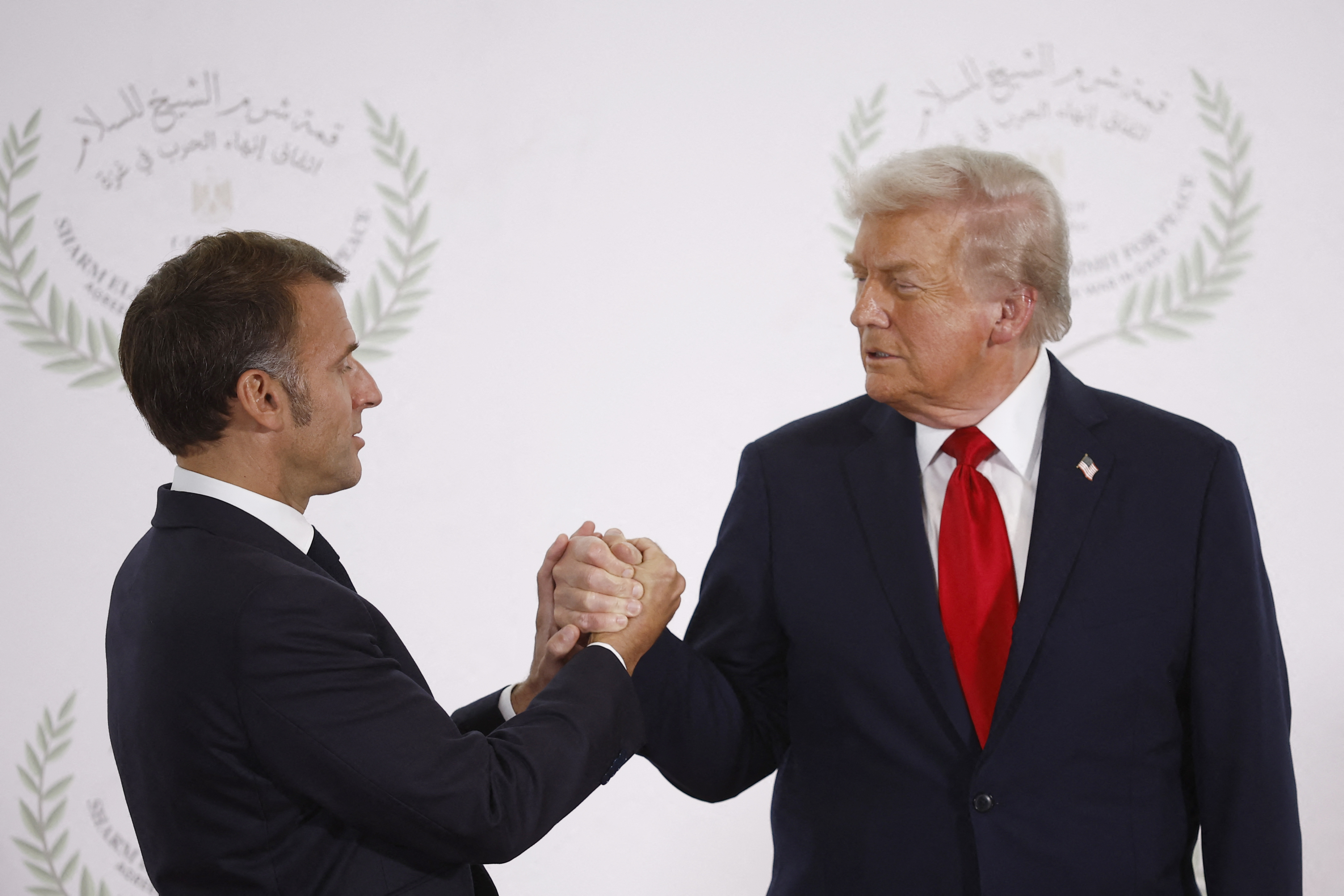
President Donald Trump’s escalating confrontation with Tehran has become what one European diplomat called “the elephant in the room” during the three-day gathering of leading industrialized democracies. The crisis, which has rattled global oil markets and disrupted energy supply chains, now threatens to overshadow the carefully scripted agenda of trade and climate talks that host nations had hoped to advance.
The tensions stem from a series of aggressive moves by the Trump administration, including the withdrawal from the 2015 nuclear deal and the reimposition of crippling sanctions on Iran’s oil exports. In recent weeks, Tehran has responded by exceeding uranium enrichment limits and seizing commercial tankers in the Strait of Hormuz, a chokepoint through which about a fifth of the world’s petroleum passes. The resulting volatility has sent crude prices spiking and injected fresh uncertainty into an already fragile global economy.
European leaders, who have sought to preserve the nuclear accord and maintain diplomatic channels with Iran, find themselves caught between Washington’s hard line and their own economic vulnerabilities. France, Germany and Britain have attempted to create a barter-style payment mechanism to bypass American sanctions, but the system has struggled to gain traction as companies fear being cut off from the U.S. financial system.
Inflation Fears and Energy Security
The instability has compounded the inflationary pressures that central banks across the developed world have been battling for months. Oil prices have climbed more than 15 percent since the start of the year, raising the cost of gasoline, heating and industrial inputs for nations already grappling with stubbornly high consumer prices. For the G7 economies, many of which are still recovering from the pandemic, the added strain threatens to delay interest rate cuts and slow growth.
Energy security has reemerged as a central preoccupation of the summit, displacing the climate commitments that had been a hallmark of recent gatherings. Several European nations, particularly those reliant on Middle Eastern crude, have quietly begun stockpiling reserves and diversifying supply routes. One senior Italian official acknowledged that the crisis had exposed “how quickly the geopolitical ground can shift under our feet.”
The White House has defended its approach, arguing that maximum pressure is the only way to force Iran back to the negotiating table for a tougher deal. But critics within the G7 say the strategy has produced the opposite effect, pushing Tehran closer to nuclear breakout and emboldening its proxies across the region. No consensus emerged from the summit on how to resolve the impasse, and the final communique included only a tepid reference to the need for de-escalation.
As the leaders departed the conference center on the final day, the question of what comes next in the Persian Gulf remained unresolved. The summit had produced agreements on artificial intelligence governance and pandemic preparedness, but the crisis that loomed largest was the one that no one could seem to fix.