The blunt warning, circulated among conservative policy circles, signals a growing internal revolt within the GOP over how to approach a technology that has largely been embraced by the party’s free-market wing.
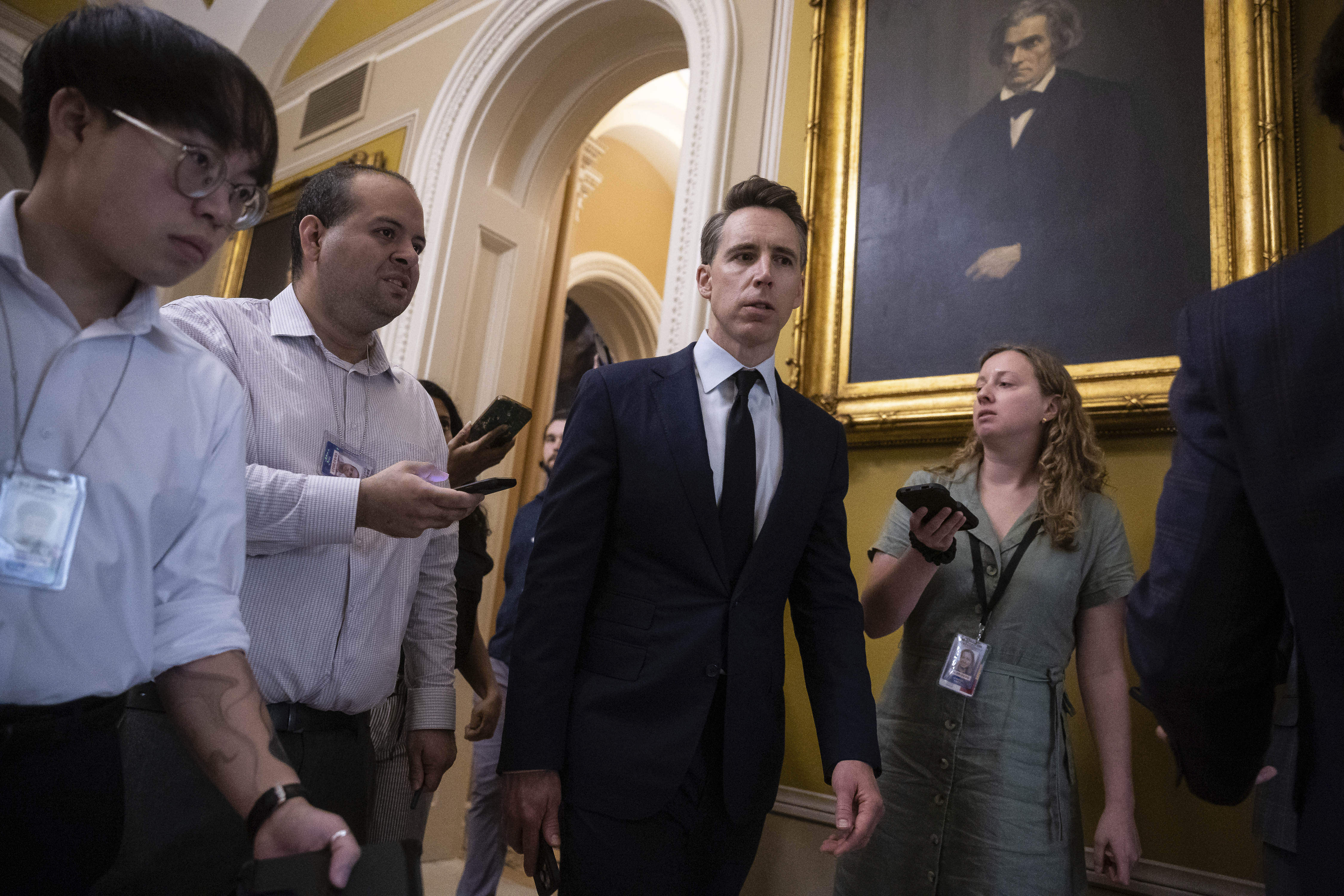
Hawley’s essay argues that unchecked AI development threatens to concentrate power in the hands of a few Silicon Valley corporations, undermining American workers and national sovereignty. He frames the issue not as a matter of innovation versus stagnation, but as a fundamental test of conservative principles regarding monopoly, labor, and civic order. The senator has long been a vocal critic of Big Tech’s influence.
The intervention places Hawley at odds with many of his Republican colleagues, who have resisted broad federal oversight of AI and instead favored voluntary industry guidelines. Some senior GOP figures have argued that heavy regulation would cede technological leadership to China. Hawley’s essay directly challenges that calculus, suggesting that inaction poses a greater long-term threat to American democracy and economic stability.
“The Republican Party has a choice to make,” Hawley wrote, according to a copy of the essay obtained by The Chronicle Page. He did not mince words about the stakes, describing the coming years as a period that will determine whether the United States remains a republic of citizens or becomes a “techno-feudal” state managed by algorithms and their corporate masters.
A Fractured Conservative Response
The essay has already drawn sharp reactions from both sides of the AI debate. Pro-regulation conservatives praised Hawley for articulating a vision that prioritizes human dignity over corporate profits. Free-market advocates, however, accused him of embracing a protectionist agenda that would stifle American competitiveness. The split reflects a broader ideological fracture within the GOP as it grapples with the rapid advancement of generative AI tools.
Hawley’s proposal includes calls for new antitrust enforcement targeting AI developers, transparency requirements for training data, and legal liability for harms caused by automated systems. These positions align him with a small but growing faction of Republicans who view the concentration of AI capability in companies like Google, Microsoft, and OpenAI as a national security risk. The senator has previously introduced legislation aimed at curbing Section 230 protections for tech platforms.
Whether Hawley’s rebellion gains traction remains uncertain. The party’s leadership has shown little appetite for sweeping AI regulation, and the 2024 presidential primary field has largely avoided the topic. But the Missouri senator’s essay suggests the debate is no longer fringe. For a party that has long championed deregulation, the question of how to handle artificial intelligence is emerging as a central ideological battleground.