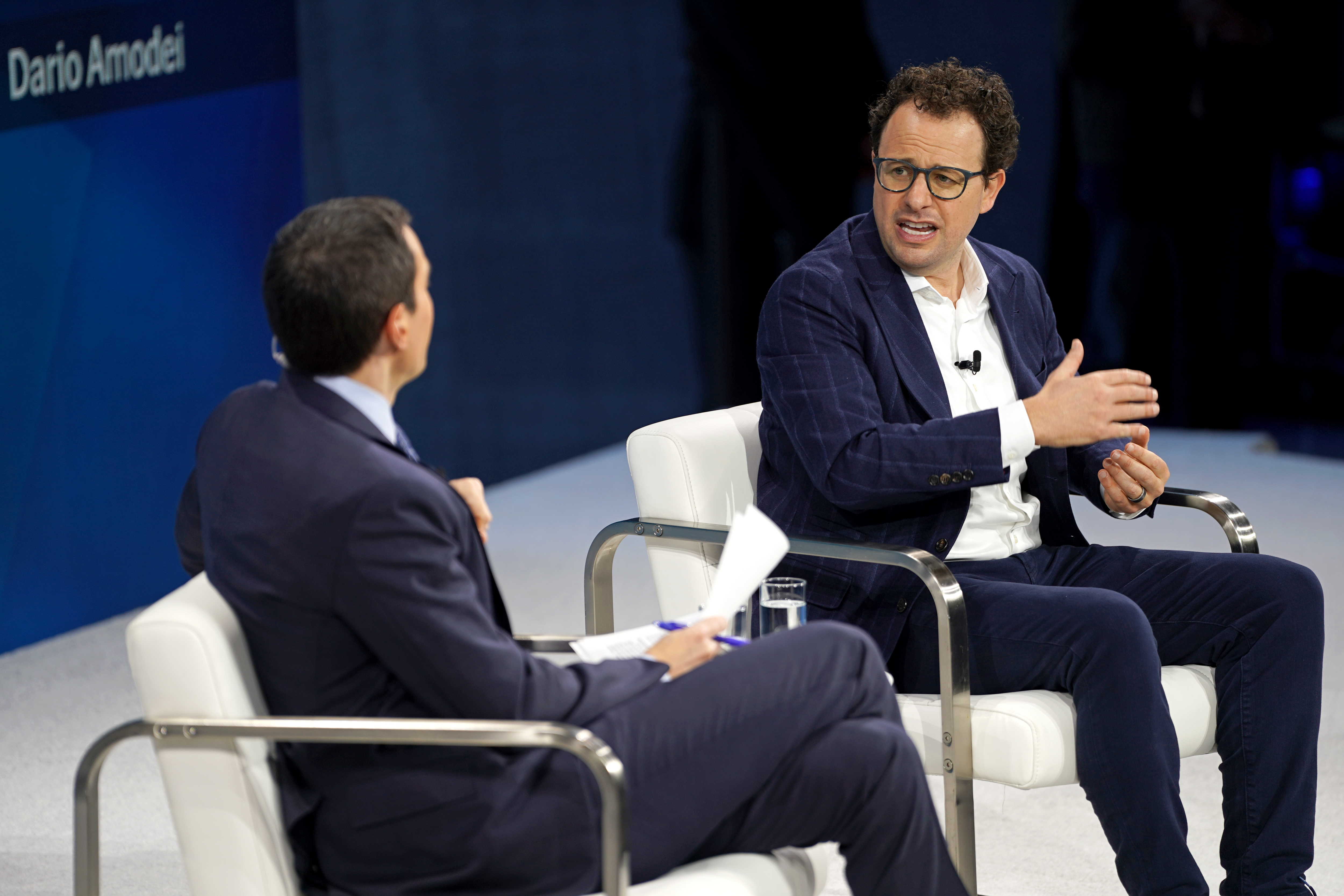
He called for mandatory government testing of the most powerful AI models before they are released, and proposed a novel tax mechanism to cushion workers displaced by automation.
Amodei’s remarks, delivered at a forum on AI governance, mark one of the most detailed policy proposals yet from a leading AI executive. He argued that frontier AI systems, which he defined as models with capabilities approaching or exceeding human-level performance in certain domains, pose risks that cannot be left to voluntary corporate self-regulation. “We need a mandatory testing regime,” he said, according to a transcript of the event. “It should be a legal requirement before deployment.”
The proposal would place responsibility on a yet-to-be-determined federal agency to evaluate models for dangerous capabilities, such as the ability to autonomously conduct cyberattacks or design biological weapons. Companies that failed to pass such tests would be barred from releasing their systems publicly. Amodei did not specify a timeline for implementation but urged lawmakers to act quickly, warning that the pace of AI development is outstripping current oversight mechanisms.
Beyond safety, Amodei turned to the economic disruption he said is inevitable as AI systems increasingly automate white-collar and creative work. He proposed a tax-funded initiative he called “universal capital accounts,” which would provide every citizen with a government-managed investment fund seeded with public money. The accounts, he suggested, could be financed through a tax on AI-related productivity gains, giving individuals a direct stake in the technology’s financial returns.
The concept is distinct from a universal basic income, which provides regular cash payments. Instead, universal capital accounts would function as a form of collective wealth ownership, allowing citizens to accumulate assets over time. Amodei argued that this approach would more directly address the concentration of AI-driven profits among a small number of companies and shareholders. “If AI creates enormous wealth, that wealth should be distributed broadly,” he said.
Anthropic, which is based in San Francisco and has raised billions of dollars from investors including Google and Amazon, has positioned itself as a safety-conscious counterweight to rivals such as OpenAI. The company has already published a “responsible scaling policy” that outlines internal testing thresholds. But Amodei’s call for government mandates goes further, signaling a willingness among some industry leaders to accept binding regulation.
Critics have questioned whether mandatory testing can keep pace with rapid innovation, and whether a federal agency would have the technical expertise to evaluate systems that evolve weekly. Others have raised concerns about the cost and feasibility of universal capital accounts, which would require significant tax increases or reallocation of existing spending. Amodei acknowledged these challenges but insisted that inaction carried greater risks.
The speech comes as Congress considers several AI bills, though none have advanced to a floor vote. Lawmakers in both parties have expressed interest in safety testing requirements, but disagreement persists over the scope of regulation and the role of industry self-governance. Amodei’s proposals are likely to intensify that debate, placing the economic and safety dimensions of AI squarely before policymakers.