The hum of diesel generators and the glint of half-erected server warehouses have become a familiar sight here, but for local residents and the politicians courting their votes, the development has become a flashpoint in a race that could help decide control of the House.
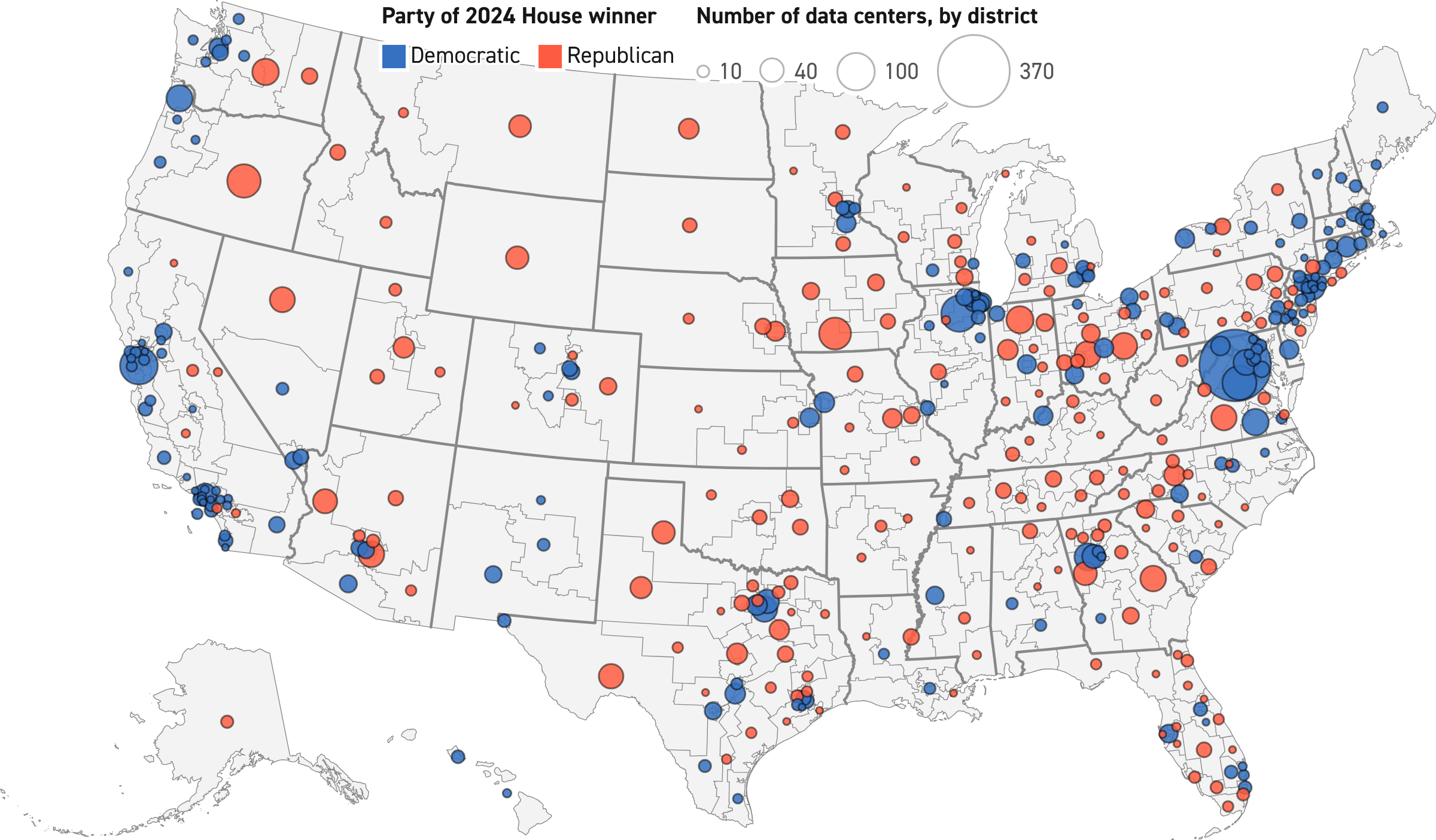
The intersection of technology infrastructure and electoral politics is playing out in at least a dozen competitive congressional districts nationwide, where the rapid expansion of data centers is forcing candidates to take sides. From Loudoun County’s “Data Center Alley” to new projects in Ohio and Texas, the facilities that power cloud computing and artificial intelligence are no longer just a zoning board concern. They have become a campaign issue, with voters increasingly questioning the environmental toll, strain on local grids, and rising energy costs associated with the boom.
In Virginia’s 10th Congressional District, one of the most closely watched races in the country, the debate has intensified. Incumbent Representative Jennifer Wexton has faced pressure from constituents who argue that data centers are consuming farmland and driving up residential electricity rates. Her challenger, Republican Mike Clancy, has seized on the issue, vowing to impose stricter local oversight on new developments. Both campaigns have been forced to address the tension between economic development and quality of life, a balancing act that has become central to the race.
The political dynamics are shifting as well. While data centers have historically been welcomed for the tax revenue and construction jobs they bring, a growing backlash is emerging from unlikely coalitions. Environmental groups have joined forces with conservative homeowners associations in some districts to oppose new projects, citing noise pollution, water usage, and the strain on aging infrastructure. This cross-ideological resistance has made the issue particularly volatile for candidates who rely on support from both business interests and suburban voters.
Energy Demands and Grid Strain
The surge in demand for data processing, driven by the expansion of artificial intelligence and cloud services, has placed unprecedented pressure on local power grids. In Ohio’s 1st Congressional District, a proposed data center complex near Cincinnati has become a central topic in the race between incumbent Republican Steve Chabot and Democrat Greg Landsman. Local utility companies have warned that the facility could require as much power as a small steel mill, raising concerns about blackouts during peak summer months. Both candidates have been pressed to outline their positions on whether to fast-track energy permits for such projects or impose moratoriums until grid capacity is assessed.
The national implications are not lost on party strategists. The Democratic Congressional Campaign Committee and the National Republican Congressional Committee have both identified data center policy as a wedge issue that could mobilize suburban voters who are typically less engaged in technology regulation debates. In private memos, party operatives have advised candidates to emphasize local control and environmental safeguards, while avoiding blanket endorsements of the industry that could alienate fiscally conservative voters worried about tax incentives.
For now, the outcome of these local battles remains uncertain. But as the 2024 election approaches, the data center has become an unlikely symbol of the broader tensions between technological progress and community resilience. In districts where the server farms are multiplying, the sound of construction may well be the soundtrack to the campaign season.