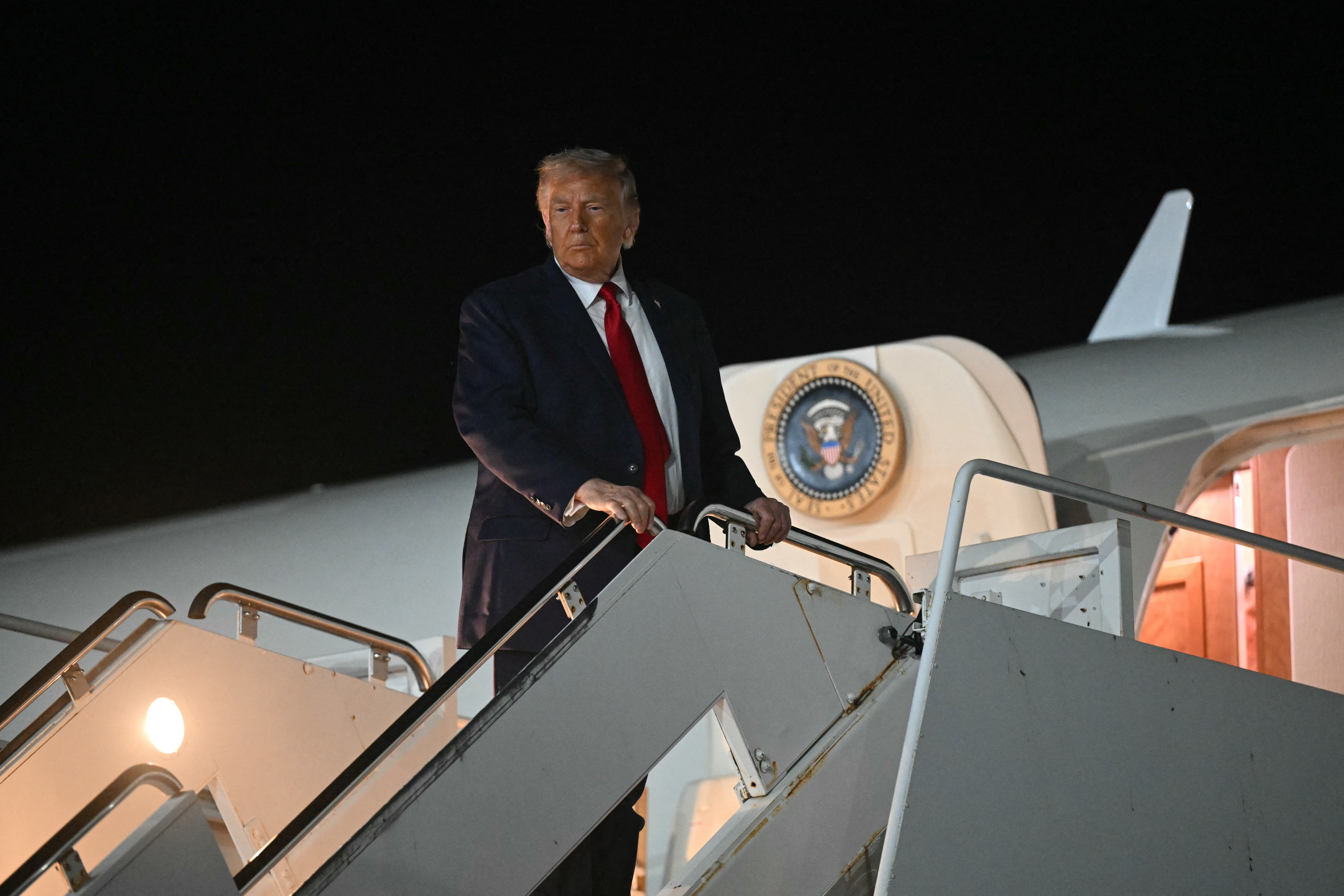
Last month, President Donald Trump wiped his record clean with a pardon, and now a growing queue of diesel mechanics is hoping for the same treatment.
Hoopes, a former mechanic from Iowa, was convicted in 2019 for tampering with emissions monitoring equipment on heavy-duty diesel trucks, a practice known as “defeat device” tuning that allows vehicles to spew nitrogen oxides and particulate matter far above legal limits. His case drew attention from environmental regulators and industry groups alike, but it was his recent pardon that has sparked a quiet lobbying campaign among other mechanics facing similar charges.
At least three other individuals convicted in separate diesel tampering cases have retained lawyers to petition the White House for clemency, according to people familiar with the efforts. The mechanics argue that their actions, while illegal, were driven by customer demand and a belief that emissions regulations were overly burdensome on small trucking businesses.
The Trump administration has not signaled a broader policy shift on environmental crimes, but the Hoopes pardon has created a precedent that defense attorneys are eager to exploit. “If Matthew Hoopes can get a pardon for disabling monitors on hundreds of trucks, why not my client who only did a few dozen?” one lawyer involved in the lobbying effort said on condition of anonymity.
Environmental groups have condemned the development, warning that a wave of pardons for emissions tampering would undermine decades of clean air enforcement. The Justice Department has prosecuted dozens of similar cases in recent years, often securing prison sentences and fines for mechanics who deliberately bypass pollution controls on diesel engines.
Hoopes himself has not publicly commented on his pardon, but his case file notes that he admitted to disabling emissions systems on trucks operating in at least five states. The practice is particularly prevalent in the trucking industry, where removing exhaust filters can improve fuel efficiency and engine performance at the cost of significantly higher pollution.
The White House did not respond to requests for comment on whether additional pardons are under consideration. But the queue of mechanics seeking clemency is expected to grow, with several defense firms now actively recruiting clients with pending or past emissions tampering convictions.
For now, the Hoopes pardon stands as a singular act of executive clemency in a niche but consequential corner of environmental law. Whether it becomes a template for broader relief will depend on the political calculus inside the West Wing and the persistence of a small but determined cohort of diesel mechanics.