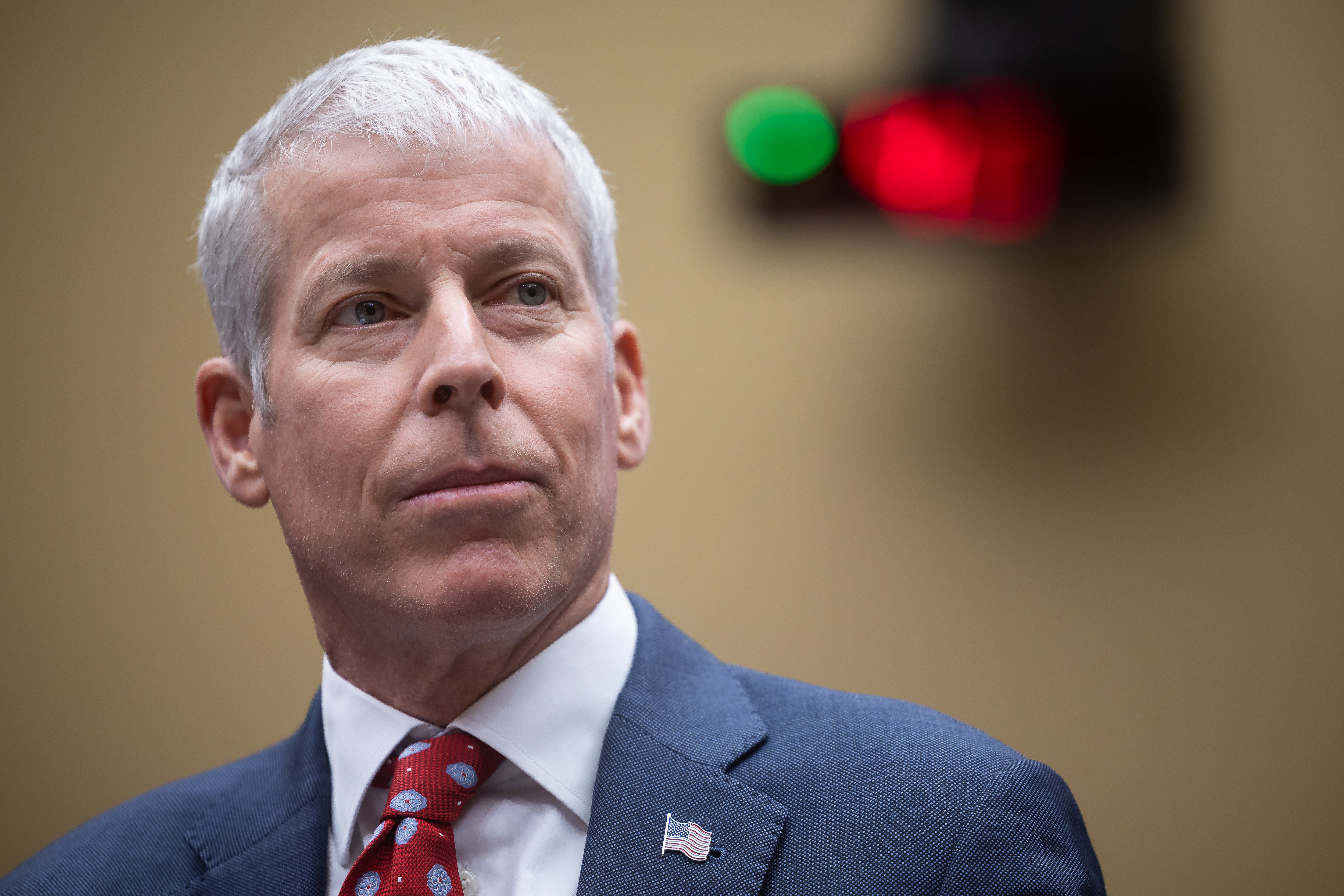
Speaking at a press conference in Washington, Wright confirmed that the increased naval presence is a direct response to heightened tensions in the region, though he declined to specify how many vessels are currently receiving protection.
The disclosure comes as the Trump administration and Iranian officials continue what Wright described as “haggling” over a potential peace deal. The Strait of Hormuz, a narrow waterway between Oman and Iran, handles roughly one-fifth of the world’s petroleum consumption, making any disruption a matter of global economic stability. For decades, the passage has been a flashpoint for confrontation, with Iran periodically threatening to close the strait in retaliation for sanctions or military pressure.
Wright’s remarks offered the first official acknowledgment that the U.S. military is now actively shepherding commercial oil traffic through the strait, a task that carries significant operational risk. “We are seeing a steady increase in the number of tankers requesting and receiving escort,” Wright said, adding that the Pentagon has deployed additional destroyers and patrol aircraft to the region to ensure safe passage. The Energy secretary framed the escort missions as a defensive measure, aimed at preventing any single hostile action from disrupting global oil supplies.
The timing of the announcement is particularly delicate. Negotiations between Washington and Tehran have been described by diplomats as fitful, with both sides publicly trading accusations of bad faith. Iran has long warned that any failure to reach a comprehensive agreement could lead to a reimposition of maximum pressure tactics, including naval confrontations. The increased military escort operations suggest that the White House is bracing for a prolonged period of instability, even as it pursues diplomatic channels.
Strategic Calculations in a Narrow Strait
Analysts say the decision to publicize the escort missions carries its own strategic message. By openly acknowledging the military’s role, the administration is signaling to both Tehran and global energy markets that it is prepared to use force to keep oil flowing. “This is a clear warning,” said retired Rear Admiral James Foley, a former commander of U.S. naval forces in the Middle East. “The U.S. is saying that any attempt to interdict commercial shipping will be met with immediate military response.”
The economic stakes are immense. A prolonged disruption in the strait could send crude oil prices soaring, reigniting inflationary pressures that the Federal Reserve has been struggling to contain. Wright emphasized that the Energy Department is coordinating with international partners to maintain strategic petroleum reserves, though he stopped short of announcing any new releases. “We are monitoring the situation hour by hour,” he said. “Our goal is to ensure that American consumers and our allies do not pay the price for regional instability.”
Iran’s mission to the United Nations did not immediately respond to a request for comment on Wright’s statement. However, state-run media in Tehran has in recent weeks accused the United States of “piracy” in the Gulf, alleging that American warships are harassing Iranian commercial vessels. The Strait of Hormuz remains a tinderbox, and with both sides now openly describing the other’s actions as provocative, the margin for miscalculation grows thinner by the day.