The project, backed by millions of dollars in federal grants from the Department of Energy, is being led by a company whose leadership includes a far-right activist and telecommunications executive known for promoting election conspiracy theories and organizing for Donald Trump.
The plant, planned for a site near the town of Gillette, would revive a fuel source that has been in steady decline for more than a decade as cheaper natural gas and renewable energy have reshaped the nation’s electricity grid. The Energy Department has committed tens of millions of dollars to the venture, framing it as a test case for advanced coal technologies that could capture carbon emissions. But critics say the award reflects a political agenda rather than a sound energy strategy.
The company’s co-founder and chief operating officer is a prominent figure in the MAGA movement who has no formal training in engineering, energy markets or power plant operations. His background is in telecom and political activism, including work with groups that sought to challenge the results of the 2020 presidential election. Federal records show he has been a vocal advocate for coal revival on social media and at conservative conferences, often linking energy policy to broader cultural and political grievances.
The Department of Energy defended the grant, stating that the project met the criteria for innovation and job creation in fossil fuel communities. The agency noted that the plant would employ advanced combustion technology designed to reduce emissions, though it acknowledged that commercial-scale carbon capture has yet to be proven economically viable in the coal sector. Environmental groups have questioned whether the technology can deliver on its promises, pointing to a history of failed or overbudget carbon capture projects.
Uncertain future for coal revival
The project arrives at a moment of deep uncertainty for the coal industry. U.S. coal production has fallen by nearly half over the past decade, and more than a quarter of the nation’s coal-fired capacity has been retired since 2010. Even in Wyoming, which produces more coal than any other state, mines have cut output and laid off workers as utilities shift to gas and renewables. The new plant would face steep economic headwinds, with analysts questioning whether it could compete without sustained federal subsidies.
Local officials in Gillette have welcomed the project as a potential economic lifeline for a region hit hard by coal’s decline. The plant is expected to create several hundred construction jobs and dozens of permanent positions, though those numbers are modest compared to the thousands of mining and plant jobs lost in the area over the past decade. Some residents expressed skepticism about the company’s leadership, but many said they were willing to give the project a chance if it brought stability.
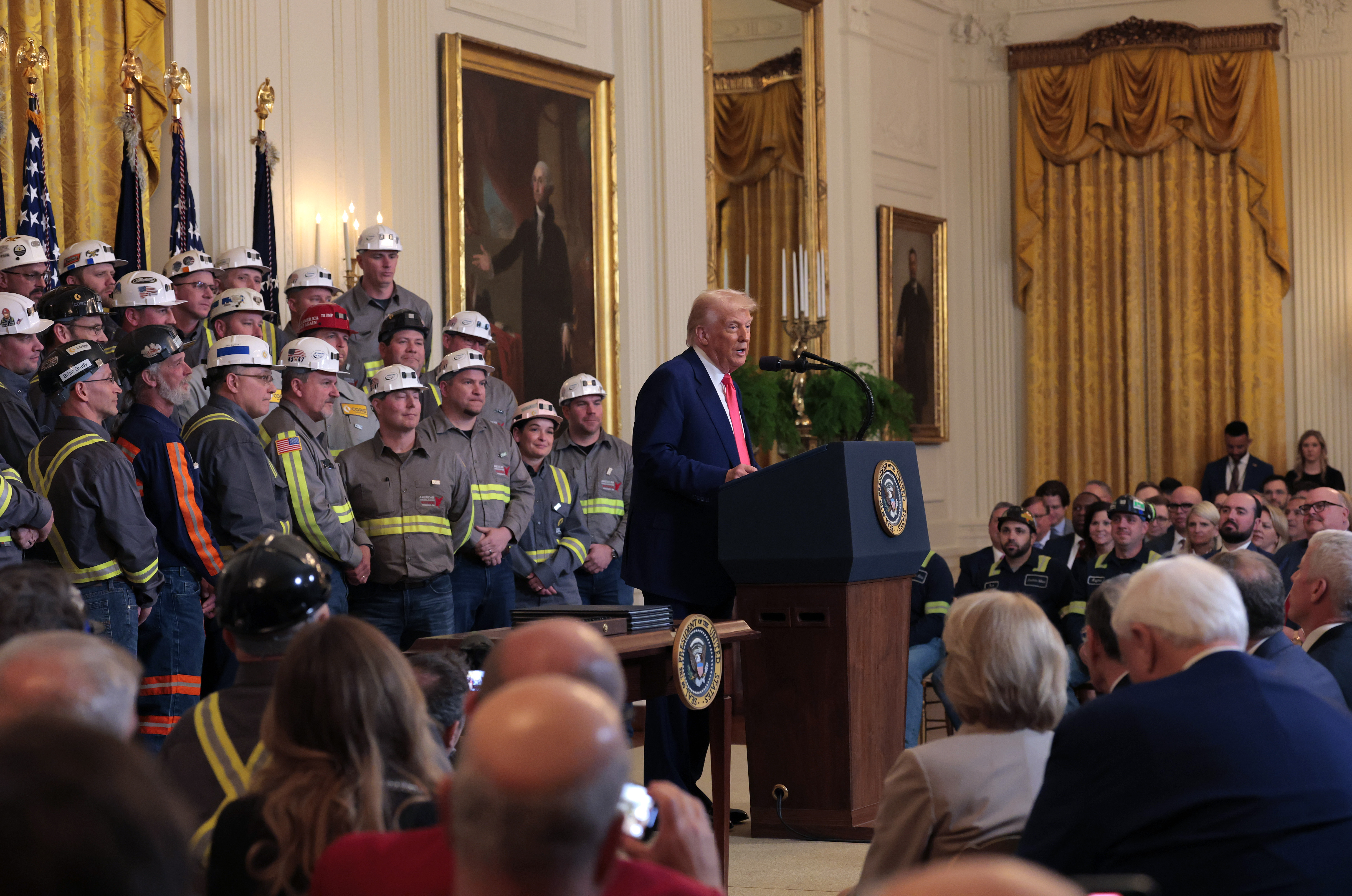
Energy experts say the broader significance of the plant may be more political than practical. By backing a project tied to a prominent Trump ally, the administration is signaling a continued commitment to coal even as market forces push in the opposite direction. The decision could energize the president’s base in key swing states, but it also risks committing taxpayer money to a technology that has repeatedly failed to scale commercially. Whether the plant ever generates a single megawatt of power may ultimately depend less on engineering than on politics.