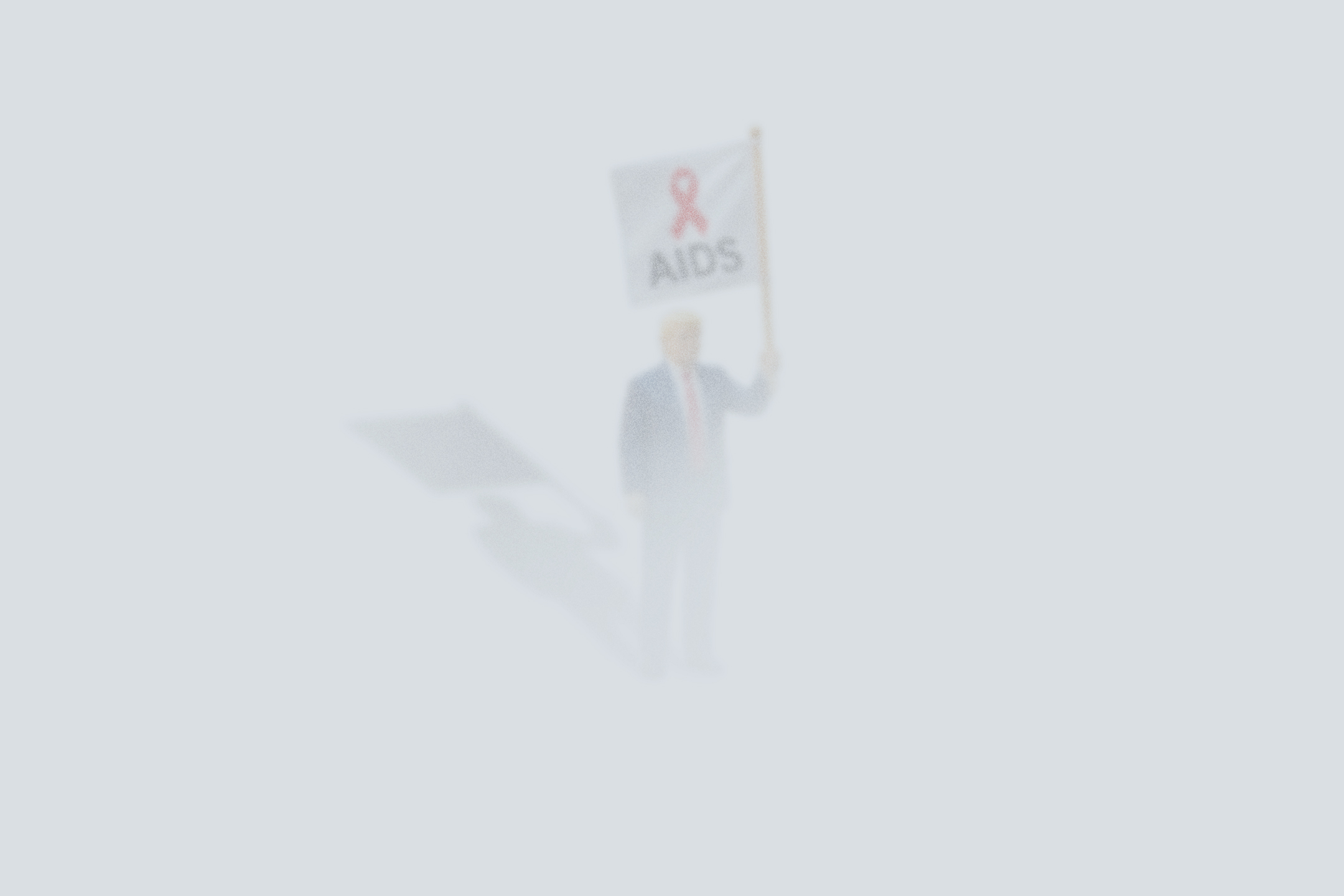
The initiative, dubbed “Ending the HIV Epidemic,” came with a surge of federal funding and a targeted plan to reduce new infections in 57 high-burden counties. Six years later, that promise has quietly collapsed.
During the president’s first term, the program directed resources toward expanding access to pre-exposure prophylaxis, or PrEP, and bolstering testing and treatment in communities where HIV rates were highest. Public health officials praised the strategy for its focus on data-driven interventions and community partnerships. But in the current administration, those efforts have stalled.
The White House has not requested additional funding for the initiative in its latest budget proposal, and key staff positions within the Department of Health and Human Services that oversaw the program remain vacant. Without dedicated resources or leadership, the 2030 deadline has become unenforceable, according to multiple current and former officials familiar with the matter.
The shift reflects a broader reordering of priorities in the president’s second term. Where once the HIV initiative was touted as a signature public health achievement, it has been eclipsed by other domestic and foreign policy goals. The administration has also faced criticism for rolling back protections for LGBTQ populations, who are disproportionately affected by the epidemic.
A Promise Unfulfilled
Public health experts argue that the abandonment of the plan carries real consequences. New HIV infections in the United States have plateaued at roughly 30,000 per year, far above the target needed to reach eradication by decade’s end. The Centers for Disease Control and Prevention has reported that without renewed investment, the gap between current trends and the 2030 goal will only widen.
Some state and local health departments have attempted to continue the work using their own funds, but they lack the federal coordination and purchasing power that made the original initiative viable. Meanwhile, the pharmaceutical companies that partnered with the government to lower drug prices for PrEP have begun to scale back their commitments.
The president has not publicly addressed the status of the HIV plan since returning to office. When pressed by reporters, a White House spokesperson pointed to broader health care reforms but offered no timeline for reviving the initiative. The silence has left advocates and public health officials to conclude that the 2030 deadline is, for all practical purposes, dead.