State Department officials, the move was more than a diplomatic snub. It was a deliberate, public signal that President Donald Trump’s approach to foreign election meddling has become so transparent that even routine travel by American diplomats now triggers alarm.
The episode, confirmed by a Brazilian foreign ministry official, underscores a growing global backlash against the administration’s tactics. While the United States has a long history of attempting to shape elections abroad, both overtly and through covert channels, much of that activity has historically been shielded by legal frameworks or veiled in ambiguity. Trump, however, has discarded that tradition of discretion, opting for a level of brazenness that current and former U.S. and foreign officials say is counterproductive.
The Brazilian government’s decision last month to bar the two officials was rooted in a belief that they intended to cast doubt on the integrity of the country’s Oct. 4 presidential election. A Brazilian foreign ministry official, granted anonymity to discuss sensitive diplomacy, told me that State Department denials of ill intent were simply not believable. The official added, “This is not funny business. This is very serious.”
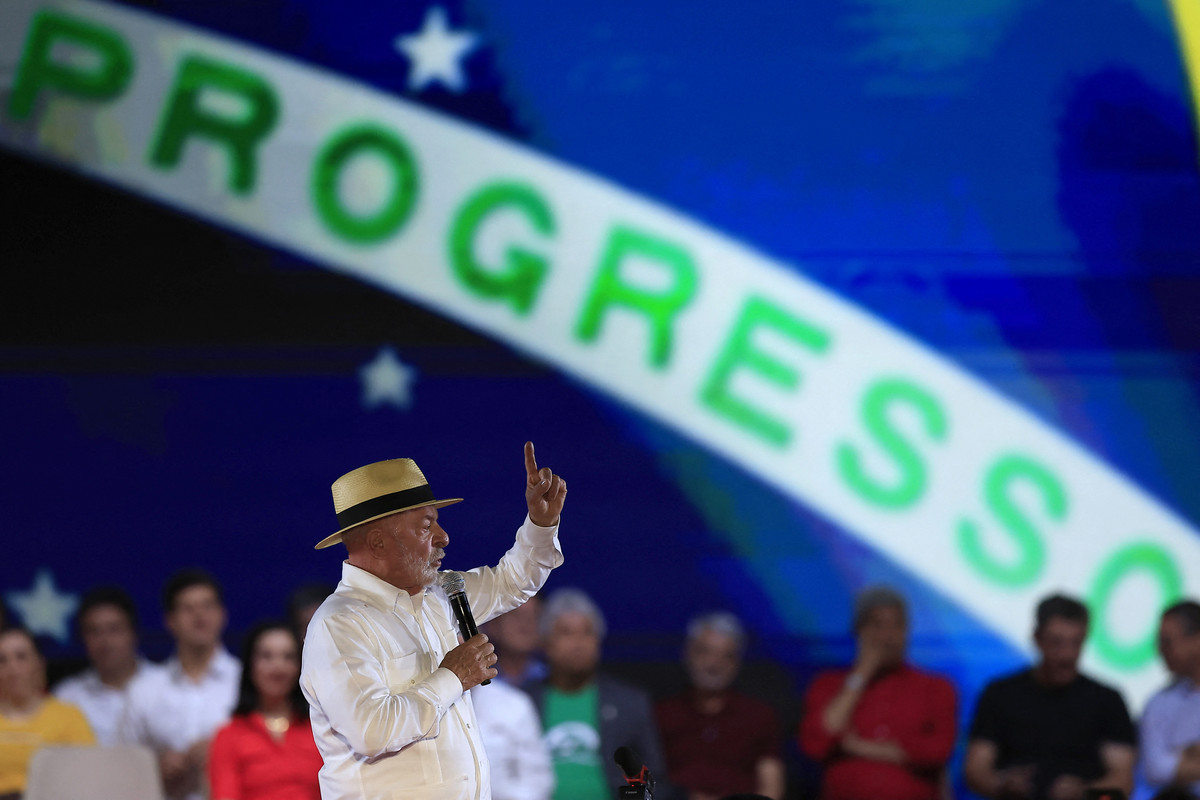
Brazil’s left-leaning administration has been closely monitoring how Trumpworld has amplified the right-wing campaign of opposition candidate Flavio Bolsonaro. The country’s election system is widely regarded as among the most robust in the world, making any suggestion of U.S. interference particularly inflammatory. The government was not prepared to tolerate potential American election mischief on its soil, the official said.
An Unusually Overt Strategy
What distinguishes Trump’s approach is not the act of meddling itself, which has been a staple of U.S. foreign policy for generations, but the sheer lack of subtlety. Most administrations have relied on quiet signaling or indirect commentary to express preferences in foreign races. Trump and his team, by contrast, have made their interventions so obvious and ham-handed that every American move now fuels suspicion, from public statements to the movements of its envoys.
The fallout extends beyond Brazil. Allies and adversaries alike are recalibrating their interactions with Washington, wary that any engagement could be perceived as acquiescence to undue influence. The administration’s tactics, intended to project dominance, are instead risking the opposite effect, making the United States appear weak and isolated on the world stage.
For Brazil, the visa denial was an unusually gutsy act of defiance, one that would have been unthinkable in previous administrations. It reflects a broader erosion of trust in American intentions, a shift that could have lasting consequences for diplomatic relations. As the global community watches, the question is no longer whether the U.S. will try to sway foreign elections, but whether its efforts will continue to be met with such open resistance.