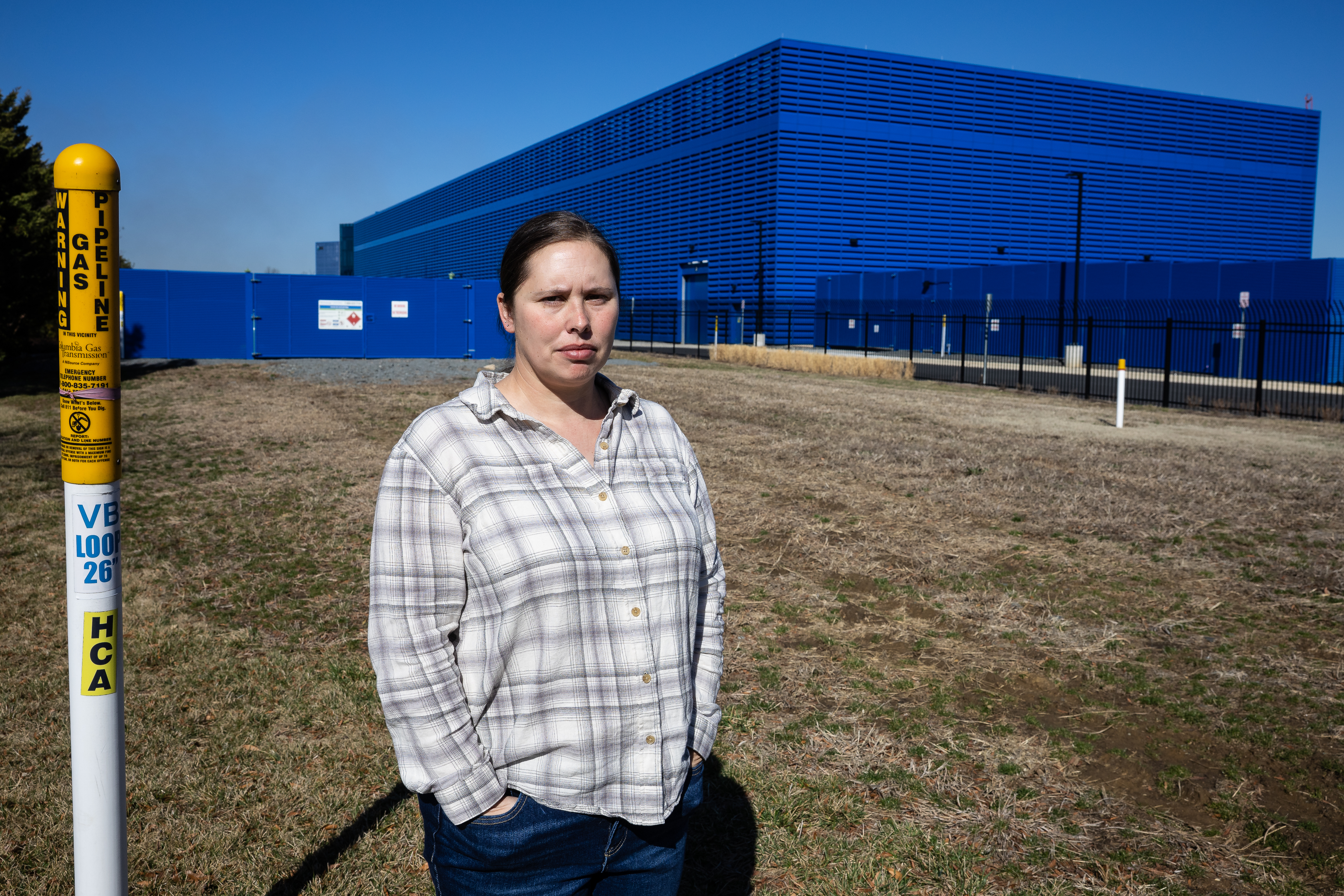
The sound, a constant tonal nuisance, originated not from the computing halls themselves, but from the facility's on-site electrical generation plant.
The installation is part of a growing trend where data center operators, facing strained public grids and long wait times for connections, are building their own power infrastructure. While this move can ease the critical obstacle of securing enough electricity, it is creating a new set of community relations hurdles centered on noise pollution. The specific acoustic profile of this industrial equipment is proving particularly disruptive.
Unlike the broader, lower-frequency rumble often associated with traditional power plants or server fans, the noise from these on-site generators and transformers frequently occupies a higher frequency band. This type of sound can travel farther with less attenuation, cutting through ambient neighborhood noise and making it difficult to block with standard insulation. For affected communities, the result is an inescapable auditory intrusion.
“The industry’s solution to one major problem is inadvertently creating another,” said a European environmental health researcher familiar with several such cases, who spoke on condition of anonymity because they are advising local governments. “The noise isn’t just loud; its character makes it a severe quality-of-life issue. It’s the kind of sound that stops people from opening their windows.”
Regulatory frameworks in many regions have not kept pace with this shift. Zoning and permitting laws often focus on overall decibel levels but do not adequately account for the increased annoyance factor of high-pitched tonal noise. This leaves local officials and residents with limited legal recourse once the facilities are operational.
The challenge underscores the complex trade-offs in the global expansion of digital infrastructure. As demand for cloud computing and artificial intelligence surges, data center operators are seeking ways to build at speed and scale. Off-grid power provides a path forward, but at the potential cost of livability for adjacent communities.
In response, some companies are now investigating advanced acoustic shielding and siting power equipment at the center of their campuses, away from property lines. However, these mitigation strategies add cost and complexity to projects already defined by massive capital expenditure. The quiet solution to the power problem remains elusive.