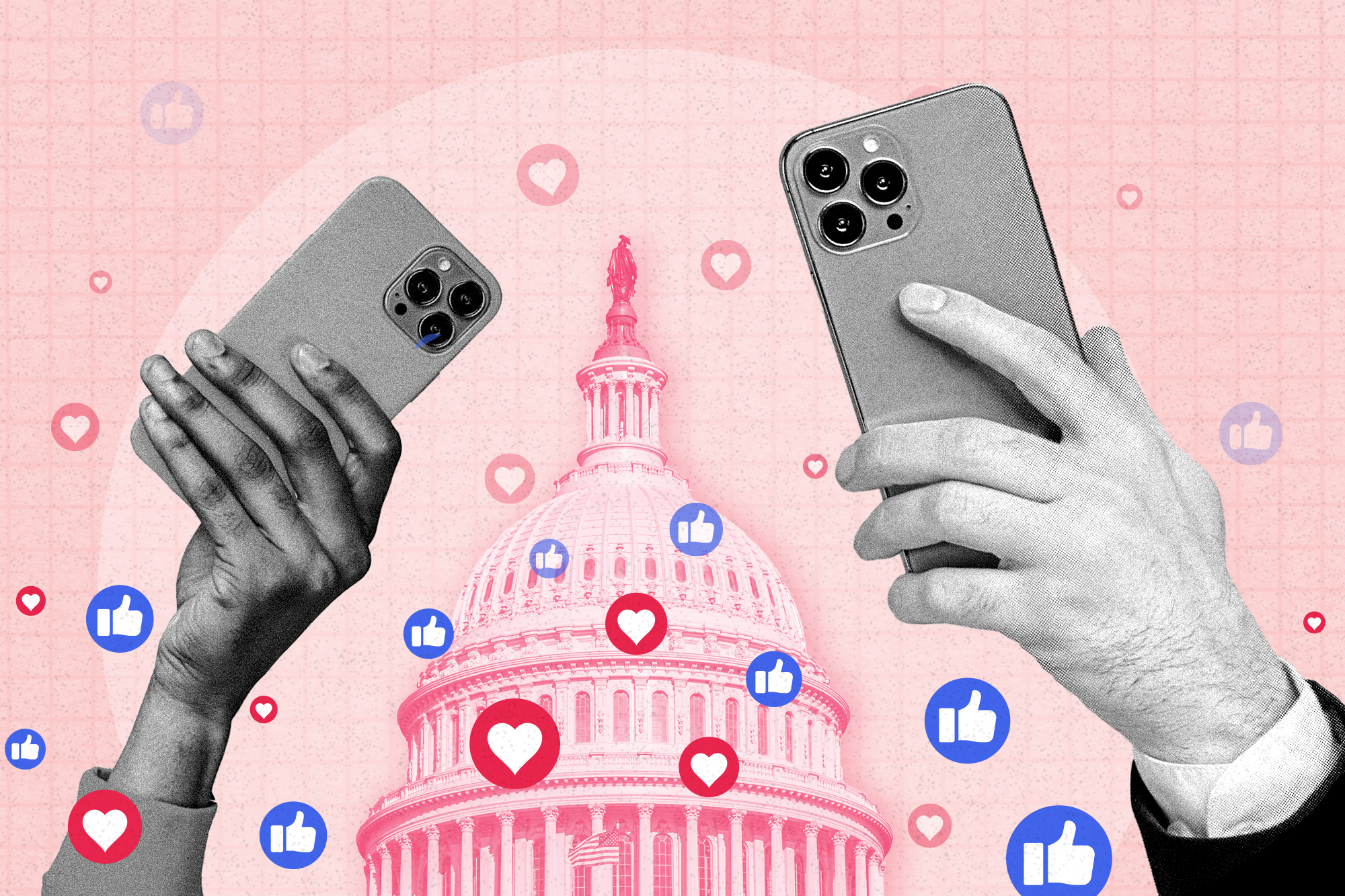
Instead, the clip of him questioning a cabinet nominee over a stalled water rights bill racked up 2.3 million views in 48 hours, propelling the freshman Democrat into a tier of online influence typically reserved for party chairs and presidential candidates. His followership has since tripled, making him one of the most unlikely breakout stars of the 118th Congress.
Ortiz is not alone. A review of official account data for all 535 voting members reveals a generational shift in how political power is measured on Capitol Hill. While familiar names like former Speaker Nancy Pelosi and Republican Whip Tom Emmer retain massive audiences, a slate of up-and-coming members have amassed significant followings this term, often outpacing their senior colleagues in engagement rates and viral reach. The trend suggests that the currency of legislative influence is no longer just seniority, but the ability to command a digital megaphone.
Leading the pack is Republican Senator Laura Chen from Arizona, whose blunt, unscripted style has resonated with a broad audience. Chen, who entered office just eighteen months ago, now boasts a combined following of over 4 million across X, Instagram, and TikTok, a figure that eclipses several committee chairmen. Her posts, frequently filmed from her car between votes, focus on border policy and military spending, topics that generate intense comment sections and frequent shares across partisan lines.
A New Playbook for the Backbench
The rise of these digital-first legislators is altering the internal dynamics of the House and Senate. Junior members are increasingly using their platforms to set the agenda on niche issues, forcing leadership to respond to online pressure campaigns rather than traditional backroom negotiations. One senior aide, speaking on condition of anonymity, noted that "a well-timed post from a freshman with two million followers now carries more weight in a whip count than a phone call from a subcommittee chair."
Data analysts who track congressional social media point to a distinct pattern: the most successful newcomers post with high frequency, often several times daily, and prioritize short-form video over lengthy statements. They also tend to engage directly with critics in the replies, a tactic that boosts algorithmic visibility. In contrast, many veteran lawmakers still rely on press releases and static graphics, a style that generates significantly lower interaction rates per follower.
The phenomenon has not gone unnoticed by party strategists. Both the Democratic Congressional Campaign Committee and the National Republican Senatorial Committee have reportedly begun offering digital coaching sessions to freshmen, emphasizing consistency and authenticity over polished production. The goal, according to one operative, is to convert online attention into fundraising hauls and grassroots volunteer recruitment ahead of the next election cycle.
For Ortiz, the sudden fame has been a double-edged sword. While he enjoys the ability to communicate directly with constituents without media filters, he acknowledges the constant pressure to produce content. "You can't just legislate anymore," he said in a recent interview. "You have to perform the legislation." His staff now includes a dedicated social media manager, a position that did not exist in his office six months ago.
As the term progresses, the gap between the digital haves and have-nots in Congress is likely to widen. With the 2026 midterms on the horizon, the members who master this new landscape will not only shape the national conversation but may also determine which of their colleagues survive the next primary. In the modern Capitol, the loudest voice in the feed is often the one that gets heard in the chamber.