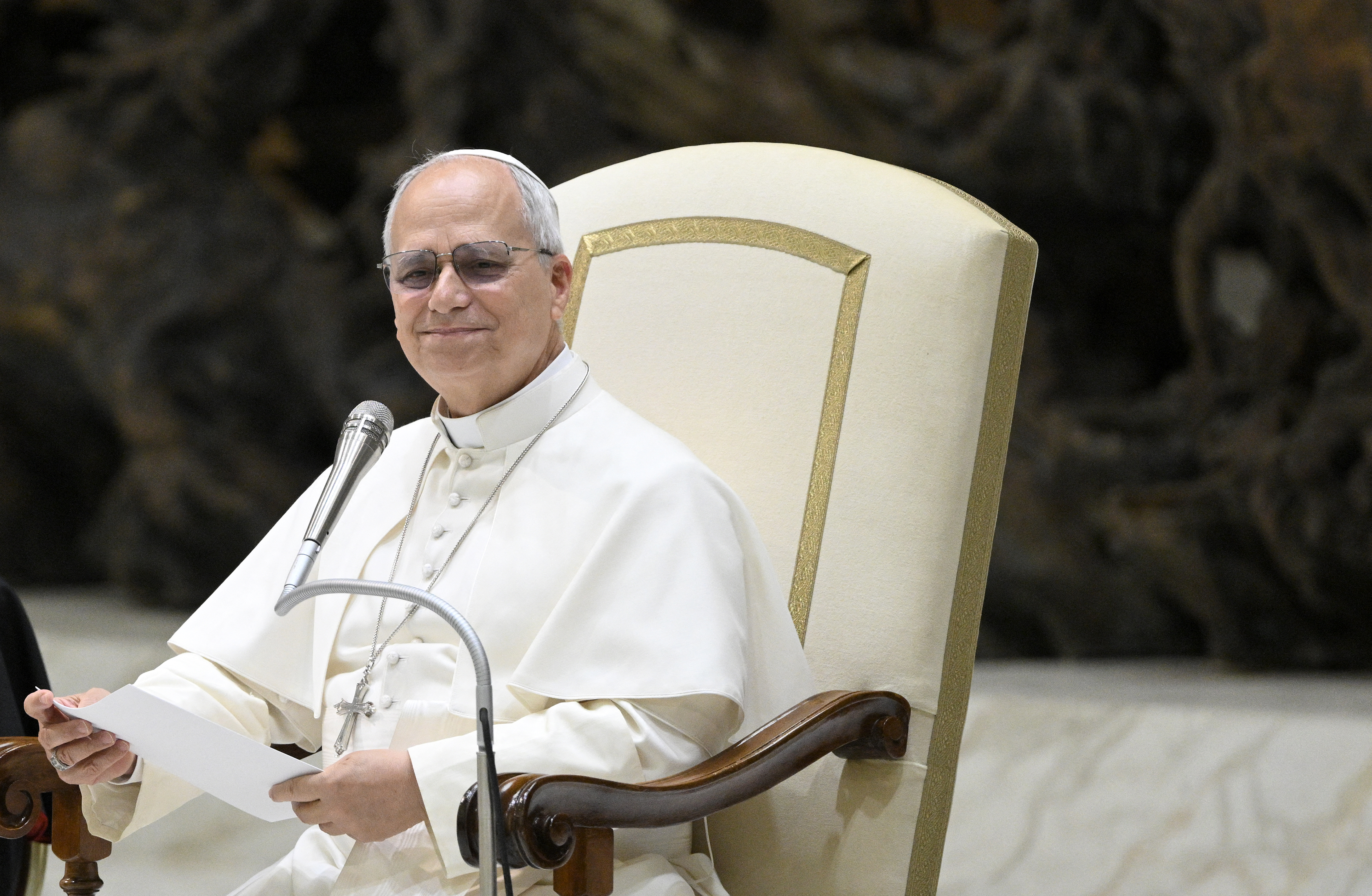
The delegation, which met with Vatican officials before the papal audience, arrived in Rome at a moment when the Catholic Church is seeking to position itself as a leading moral voice in the debate over artificial intelligence.
The visit underscores a concerted effort by the Vatican, and by Leo XIV personally, to engage with the architects of AI rather than simply issue pronouncements from a distance. For the lawmakers, the trip offered a chance to hear directly from a religious leader whose public statements on the technology have increasingly resonated beyond the faithful, framing questions of algorithmic bias and labor displacement as matters of human dignity.
Discussions on the ground in Rome were not limited to the abstract ethics of machine learning. According to a readout from the delegation, the conversations touched on the practical levers of governance, including the need for international regulatory frameworks that can keep pace with the speed of technological deployment. The lawmakers, representing both parties, have returned to Washington with a mandate to translate those broad principles into legislative text, though no specific bill has been attached to the visit.
The trip marks the latest chapter in the Church’s deepening engagement with the tech sector, a relationship that has grown more urgent since the rapid proliferation of generative AI tools. Leo XIV has made the issue a cornerstone of his papacy, warning in recent addresses that unchecked development could exacerbate inequality and erode the social fabric. His message, delivered in the ornate halls of the Vatican, carries a weight that staffers on the trip acknowledged is difficult to replicate in a committee hearing room.
A Convergence of Interests
For the visiting members of Congress, the meeting represented a rare point of consensus in a polarized capital. The delegation’s composition, which included lawmakers from the House AI task force, signaled that the interest in the Vatican’s perspective is not a partisan matter. The task force has spent the past year holding hearings on everything from deepfakes to national security, and the Rome visit is seen as an effort to broaden the scope of that inquiry beyond the usual tech executives and academic experts.
The Vatican’s position, articulated in recent Church documents, is that AI must serve human flourishing rather than the other way around, a principle that aligns with the concerns of labor unions and civil rights groups on the left, as well as with the Catholic social teaching that has long animated conservative thought. That convergence was not lost on the delegation, which returned home with a shared sense of purpose, according to aides familiar with the trip.
While the immediate legislative impact of the visit remains to be seen, the symbolism was unmistakable. The image of American legislators kneeling for a blessing from a pontiff who has made AI ethics a papal priority is one that will linger in the minds of those who track the intersection of faith and technology. The Church, which once struggled to find its footing in the digital age, is now actively courting the very people writing the rules for it.