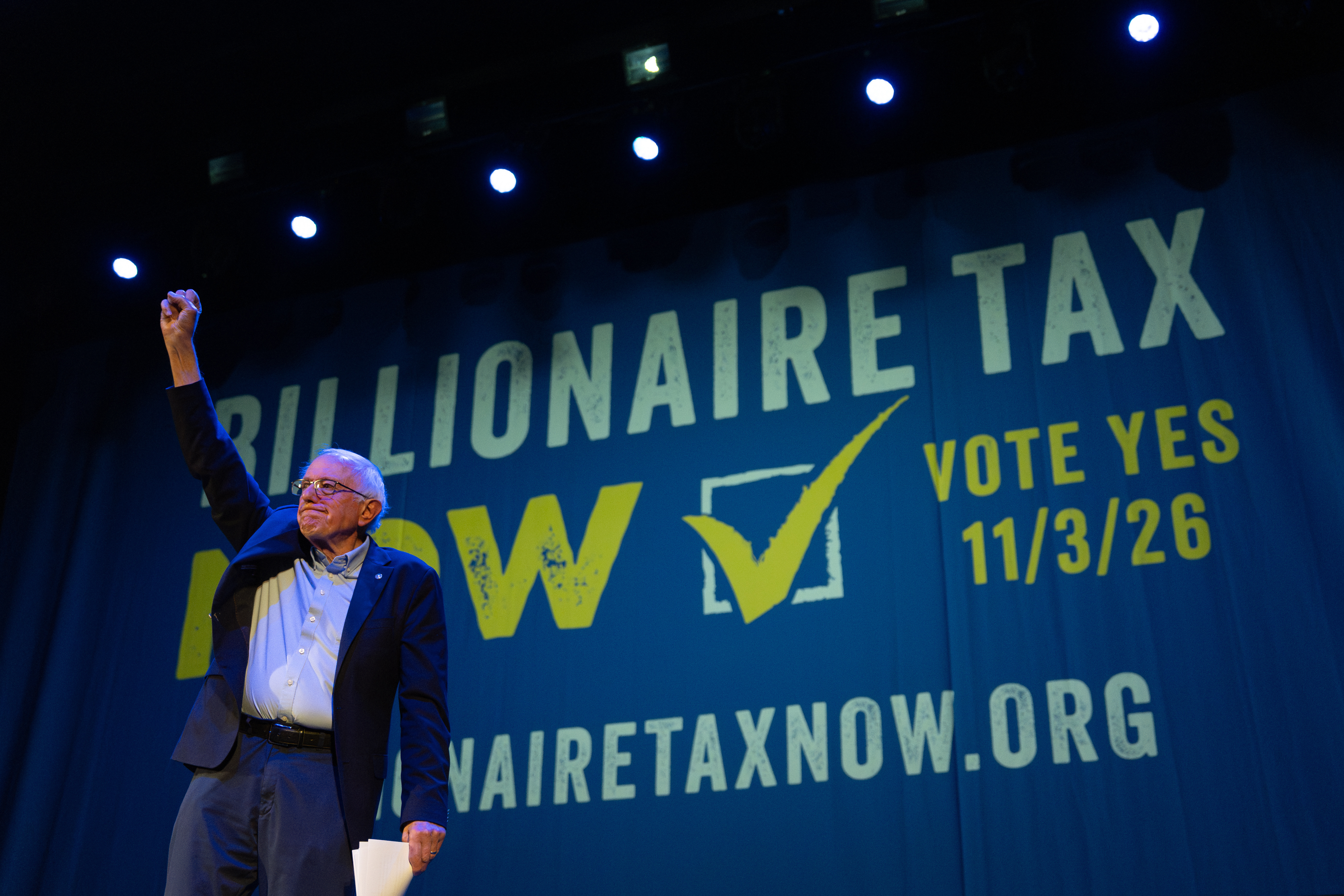
The glossy mailers and digital ads have yet to appear, but the battle lines are already drawn over a November ballot measure that would impose a new wealth tax on California’s billionaires. The proposal, which would fund pandemic recovery programs and affordable housing, has been hailed by grassroots activists as the most aggressive assault on concentrated wealth in a generation. Yet in a telling sign of the political headwinds, some of the nation’s most prominent progressive voices have stopped short of a full-throated endorsement, wary of the electoral fallout.
The hesitancy underscores a deeper anxiety within the Democratic coalition, where the push for structural economic change often collides with the pragmatism of incumbents defending competitive seats. While the measure has garnered support from local labor unions and community organizers, the silence from national figures suggests a calculation that tying themselves to a tax aimed at the ultra-rich could be a liability. The strategy reflects a fear that Republicans will weaponize the proposal as evidence of a party drifting toward radical economic experimentation.
At the heart of the tension is a debate over messaging and viability. Proponents argue that the tax, which would apply to net worth exceeding $1 billion, is overwhelmingly popular with the general public, citing polls that show broad support for making the wealthy pay more. They contend that a robust campaign could not only pass the measure but also galvanize young and working-class voters who are otherwise disillusioned with the political process.
Opponents, however, including some moderate Democrats and tech industry figures, warn that the tax would drive entrepreneurs and capital out of the state, exacerbating an already precarious budget situation. They point to the recent exodus of corporate headquarters from San Francisco as a cautionary tale, arguing that a punitive tax structure would accelerate the trend. This faction has urged party leaders to focus on more incremental policies, such as expanding the earned income tax credit, rather than pursuing a high-risk constitutional amendment.
A Test of National Ambition
The California measure has become a proxy for a larger ideological struggle within the national party, pitting those who believe in using state power to directly redistribute wealth against those who favor a more market-friendly approach. For national progressive leaders, the stakes are personal; a resounding defeat in California could blunt momentum for similar proposals in other states and at the federal level. A victory, however, would provide a powerful template for a national wealth tax, a policy that has been floated by several presidential candidates but never enacted.
The reluctance to fully embrace the measure also reflects a strategic concern about ballot mechanics. California’s initiative process is notoriously complex, and well-funded opposition from the business community has historically defeated similar tax proposals. Even with a favorable political climate, campaign operatives know that a single controversial provision can sink the entire effort. The current text, which includes a retroactive application clause, has already drawn legal challenges and could be vulnerable to a court injunction.
For now, the campaign remains in a delicate phase, with organizers seeking to build a broad coalition that includes not just the left flank but also mainstream environmental and civil rights groups. They are hoping that a series of high-profile endorsements from elected officials will materialize as the election nears. But the initial coolness from the national stage has been a sobering reminder that even in the most progressive state in the union, the politics of taxing the rich are never simple.