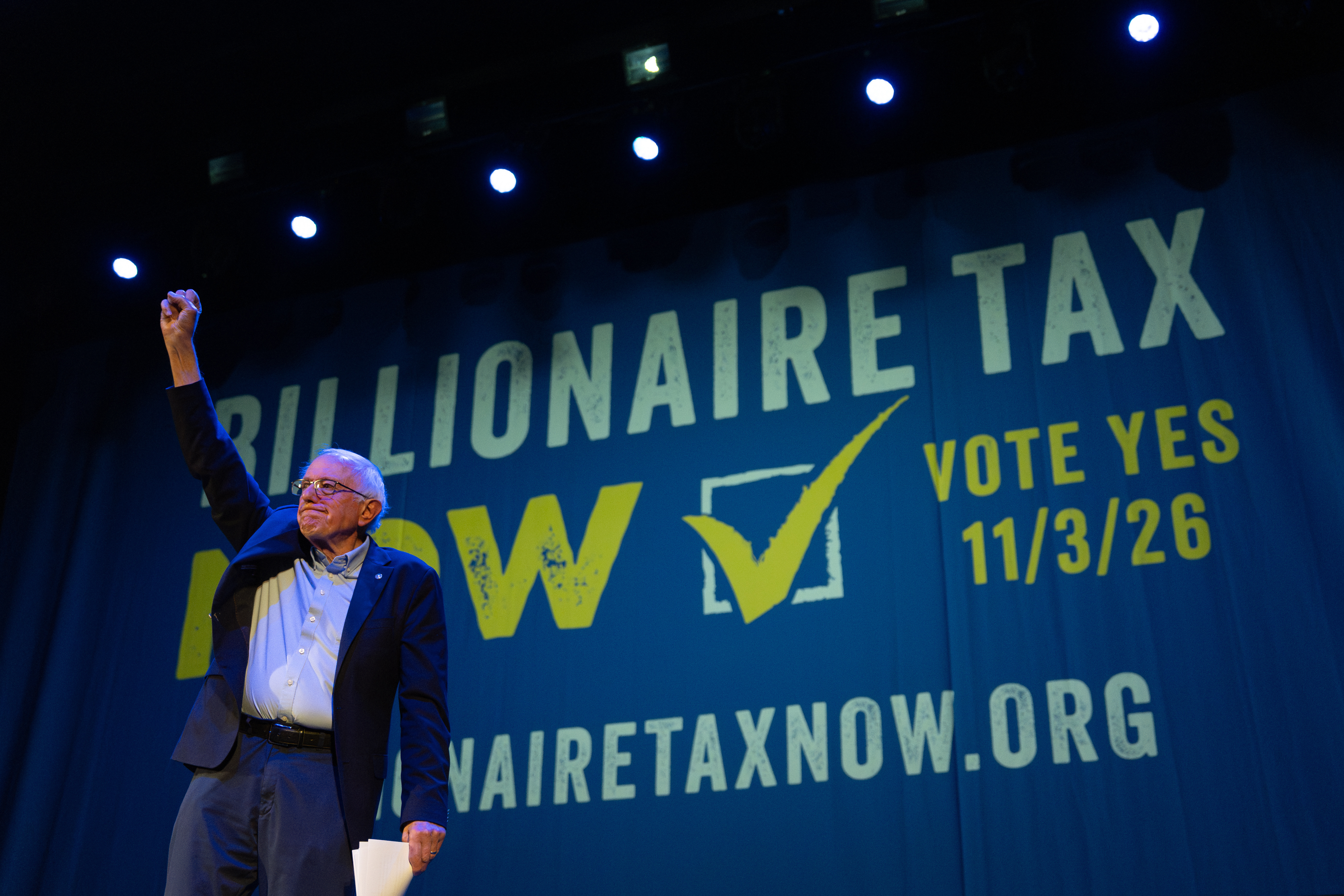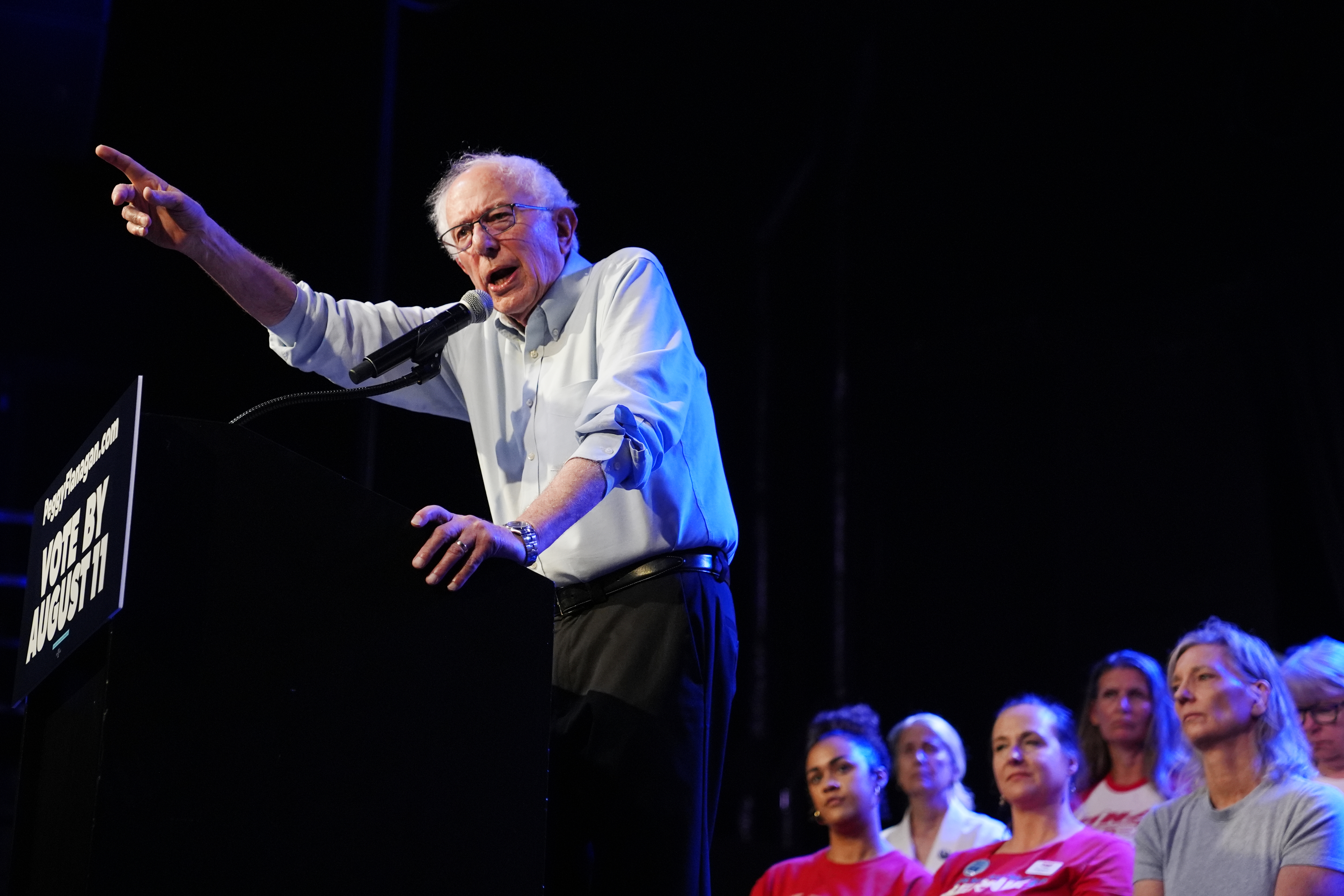
The Vermont independent, long a towering figure on the American left, acknowledged the frustration but insisted that his endorsement power and fundraising reach have practical limits.
“I have limited resources,” Sanders said in a brief interview, responding directly to a chorus of high-profile progressives who have publicly blamed him for the narrow loss. The comments mark a rare public defense from Sanders, who has built his national brand on expansive political ambition, yet now finds himself cast as a scapegoat in a race that many on the left viewed as a critical test of organizing strength.
The backlash has been sharp and personal. Several prominent progressive figures, speaking in the days following the election, argued that Sanders’s absence from the campaign trail and his comparatively muted fundraising operation in Wisconsin left Crawford vulnerable against a well-financed conservative opposition. They pointed to his massive small-dollar donor network as a resource that could have shifted the race’s dynamics, had it been deployed with urgency.
Sanders, however, rejected the notion that his involvement would have altered the outcome, framing the criticism as an unfair burden placed on him alone. He suggested that the sprawling nature of the progressive movement means no single figure, including himself, can be held responsible for every electoral setback, and he urged allies to focus on structural challenges rather than internal recriminations.
A Movement at a Crossroads
The dispute exposes a deeper fissure within the progressive coalition, which has struggled to translate grassroots energy into consistent victories in state-level contests. Wisconsin, a pivotal battleground, has become a flashpoint for these tensions, with activists demanding a more aggressive, coordinated strategy from national leaders like Sanders, while his camp maintains that local conditions and candidate quality play a more decisive role.
For Sanders, the episode underscores the shifting expectations placed on him as he navigates his role as an elder statesman of the left without holding formal party leadership. His response, both defensive and pragmatic, signals a reluctance to assume the mantle of a de facto national organizer, even as his name remains synonymous with the movement’s most ambitious goals.
Political observers note that the fallout could have lasting implications, as progressives recalibrate their approach ahead of a demanding election cycle. Whether Sanders can mend fences with his critics or whether this spat becomes a recurring theme remains an open question, but his insistence on limited resources suggests he is drawing a clear boundary around his own responsibilities.
In the meantime, the blame game continues to simmer, with no clear resolution in sight. Sanders’s remarks, while aimed at quelling the unrest, may do little to satisfy those who believe the left’s most powerful voice should have been louder in Wisconsin, leaving the movement to grapple with the consequences of a loss that many feel was avoidable.