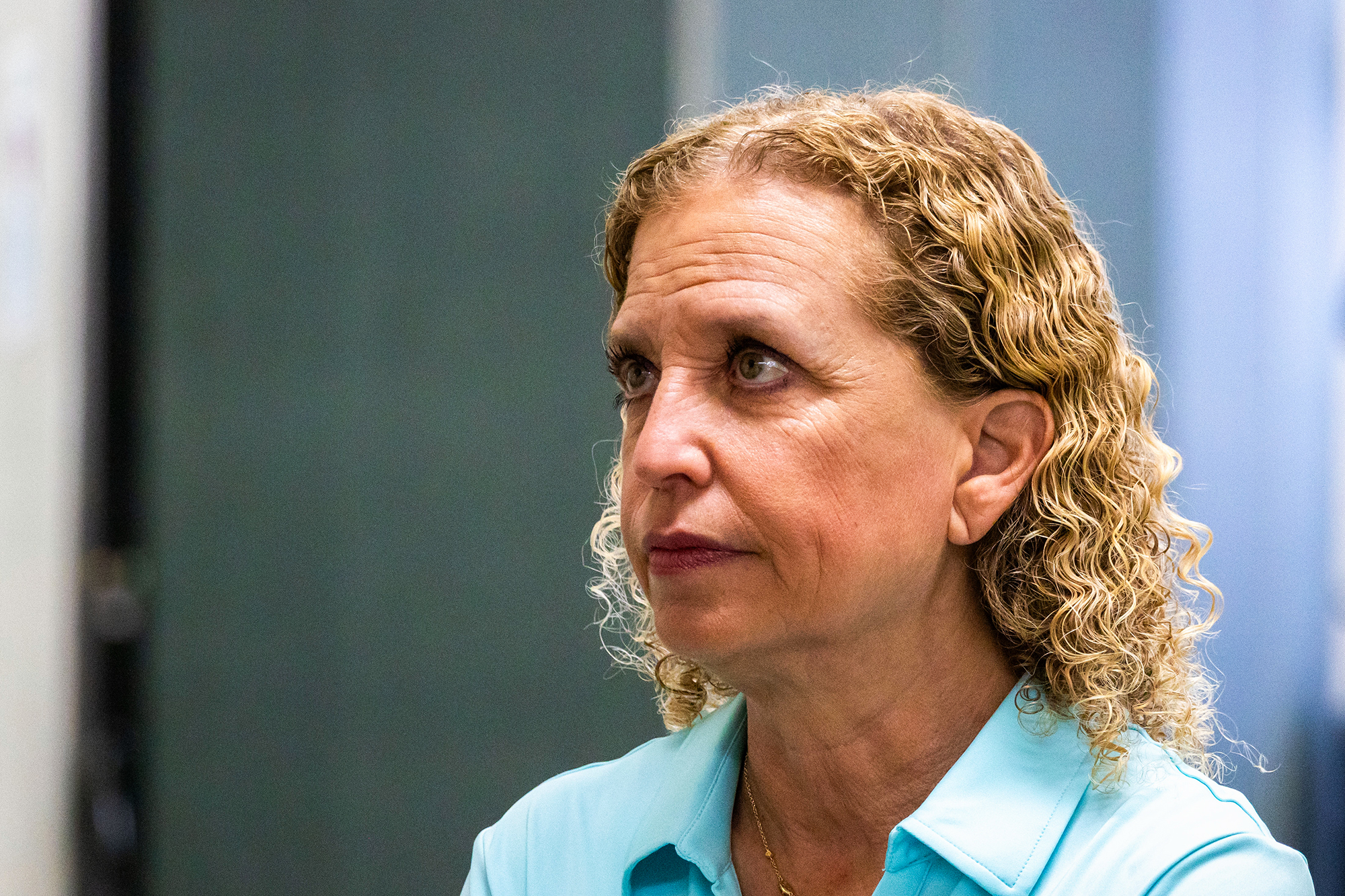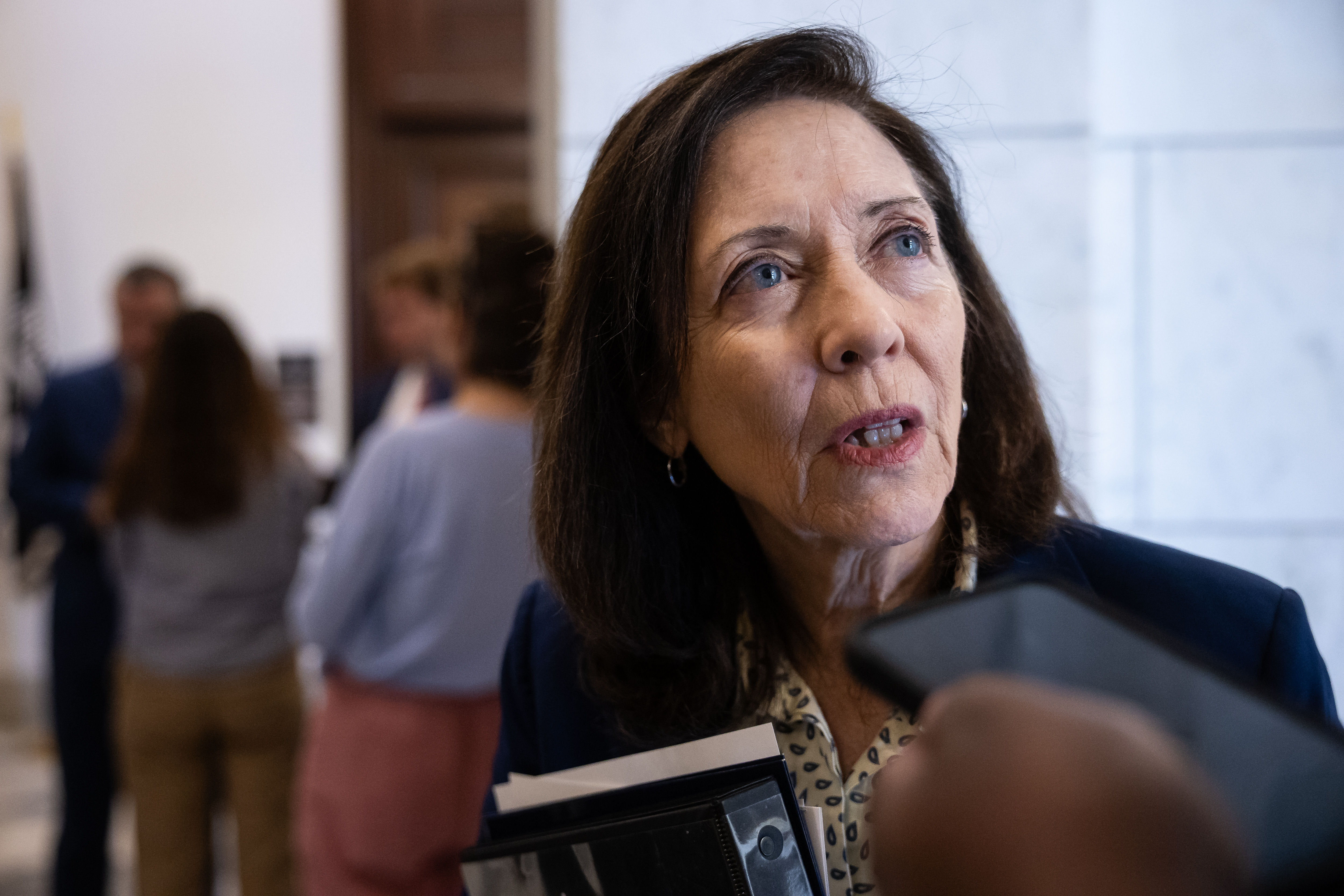
"Where's the Democrats?" she asked, repeating the word three times as she pressed her case against advancing President Trump's lone nominee for the Federal Communications Commission without a counterpart from her own party.
The Washington state senator's outburst on Tuesday crystallized a growing standoff over the future of the nation's telecommunications regulator. At issue is the nomination of a Republican to fill a vacancy on the five-member commission, a move that would hand the GOP a 3-2 majority and control over key decisions on broadband regulation, media ownership, and net neutrality.
Democrats are refusing to greenlight the single nomination, arguing that FCC appointments have historically been paired to maintain ideological balance on the panel. By withholding their support, they are effectively daring Republican leadership to force a partisan vote, a maneuver that would break with decades of comity at the agency.
Stakes for the Regulatory Agenda
The conflict is more than procedural theater. A Republican majority would allow the administration to fast-track a deregulatory agenda, including rolling back Obama-era open internet rules and easing restrictions on broadcast consolidation. Consumer advocates and Democratic staffers view the current push as an attempt to cement those changes before the next election cycle.
Cantwell's pointed remarks underscored the tactical shift among Democrats, who have grown weary of what they describe as a pattern of unilateral appointments. In previous administrations, both parties typically nominated commissioners in pairs or larger groups, ensuring that no single party held an unchecked advantage during the confirmation process.
Senate Commerce Committee Chairman Roger Wicker has not yet scheduled a markup for the nominee, but pressure is mounting from industry lobbyists who see a fully staffed FCC as essential to resolving pending merger reviews and spectrum auctions. Without a second nominee, the commission would remain deadlocked at 2-2, unable to advance major rulemakings.
The standoff leaves the nominee in limbo, caught between a White House eager to install its pick and a Senate minority intent on extracting concessions. For now, Cantwell's refrain serves as a warning: no Democrats, no vote. The question is whether Republican leaders will blink or force a confrontation that could stall the FCC's work for months.