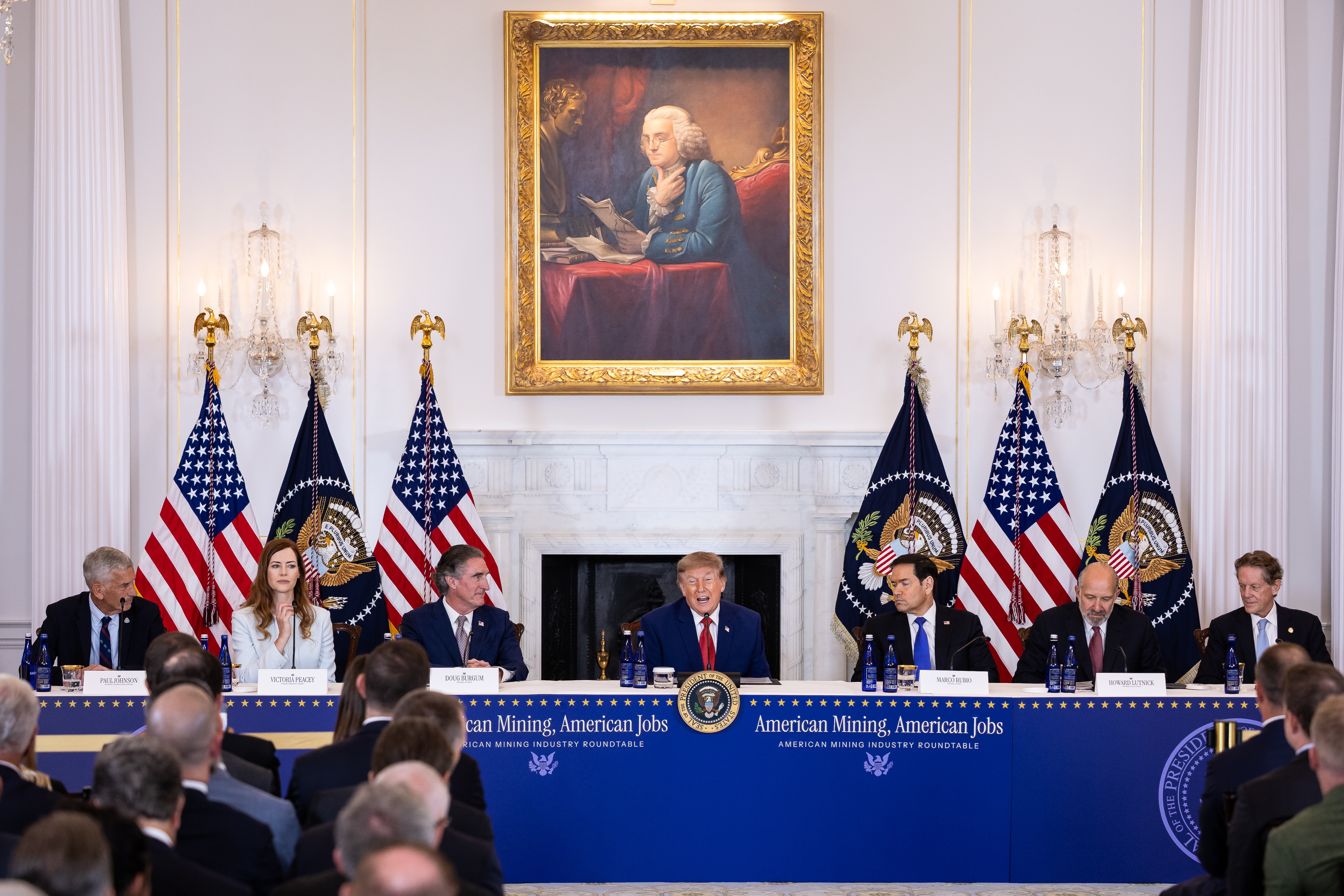
While the stated goal is to fortify the Pentagon’s supply chains and power the nation’s burgeoning data center economy, the same strategic stockpiles and mining incentives are poised to lower costs and stabilize production for EV battery makers.
This development marks a notable shift for an administration that has publicly championed the rollback of electric vehicle mandates and incentives. The policy, designed to reduce reliance on foreign adversaries for rare earth elements and lithium, is creating a domestic surplus of the very materials that are essential for EV batteries. Industry analysts note that this unintended consequence could accelerate the adoption of electric vehicles, a market the administration has otherwise sought to curb.
The administration’s focus on minerals like lithium, cobalt, and nickel is driven by their dual-use nature. These elements are critical for advanced military hardware, from guided missiles to communication systems, and are equally vital for the high-capacity batteries used in both EVs and grid storage for data centers. By prioritizing the extraction and processing of these materials, the federal government is effectively subsidizing the foundational input costs for the entire battery supply chain.
For EV manufacturers, the benefits are twofold. First, increased domestic supply reduces exposure to volatile global markets and geopolitical disruptions, which have historically caused price spikes in battery materials. Second, federal investment in refining and processing capabilities is expected to lower the overall cost of battery production, a key hurdle in making electric vehicles price-competitive with traditional combustion engines.
Strategic Imperative vs. Market Reality
The administration’s public stance on EVs remains critical, with officials frequently citing concerns over reliability and consumer choice. However, the mechanics of the mineral policy are creating a market environment where the cost gap between EVs and traditional vehicles is narrowing. This tension between stated policy and market outcome highlights the complex nature of supply chain security in the modern era.
Defense and technology sectors are the primary beneficiaries of the policy’s stated aims, ensuring that the military has access to the materials needed for next-generation systems. Simultaneously, the build-out of massive data centers for artificial intelligence and cloud computing requires enormous amounts of power, often necessitating battery storage solutions that rely on the same mineral streams. This convergence of needs is driving unprecedented federal coordination on mining and processing projects.
The net effect is a de facto industrial policy that supports the electrification of the economy, even as the administration pursues a deregulatory agenda for the auto industry. As the domestic mineral supply chain matures, the economic logic for EV adoption becomes more compelling, creating a policy paradox that is likely to define the energy debate for years to come.