But according to internal documents and interviews with local officials, a million federal grant package meant to fund exactly that preventative work had been sitting in limbo for months, ensnared in a bureaucratic fight over the Biden administration's diversity, equity and inclusion initiatives at the Department of Agriculture.
The funding, which was designated for wildfire mitigation projects across Okanogan County, was approved at the agency level but never released. The holdup, sources said, stemmed from a policy dispute within the USDA regarding hiring practices and grant distribution requirements tied to DEI programs. The impasse effectively froze the disbursement of funds that local fire districts had already budgeted for, leaving critical fuel-break projects and community defensible-space programs unstarted as the summer fire season intensified.
Okanogan County, which encompasses the Methow Valley, is no stranger to catastrophic blazes. The region has burned repeatedly over the past decade, and fire officials have long argued that proactive thinning and controlled burns are the only viable defense against the mega-fires that now characterize the Pacific Northwest's summers. When the grant was announced earlier this year, it was hailed as a landmark investment in that strategy. Instead, the money became a bargaining chip in a broader ideological clash over how federal agencies should approach equity in their operations.
According to correspondence reviewed by The Chronicle Page, the dispute centered on a requirement that grant recipients adhere to certain DEI-related reporting standards. USDA leadership in Washington, D.C., insisted on the provisions, while regional administrators and county officials pushed back, arguing that the conditions were unworkable for rural fire districts with limited administrative capacity. The standoff dragged on through the spring, with neither side willing to cede ground, even as the National Interagency Fire Center's seasonal outlook predicted above-normal fire risk for the region.
A Community Left to Wait
Local officials say the delay had immediate consequences. Contractors who had been lined up to operate heavy machinery for fuel-break construction were forced to seek work elsewhere. Community groups that had planned to hire seasonal crews for roadside clearing instead watched their grant applications lapse. By the time the first major lightning storm rolled through in late July, the landscape remained in the same vulnerable condition it had been in for years.
The USDA did not respond to requests for comment on the specific timeline of the funding hold. However, a spokesperson for the department acknowledged that "administrative reviews" had delayed some grant disbursements this fiscal year but declined to characterize the nature of the internal disagreements. The agency has since announced that the funds are now being processed, a move that comes too late for the properties already lost to the current blaze.
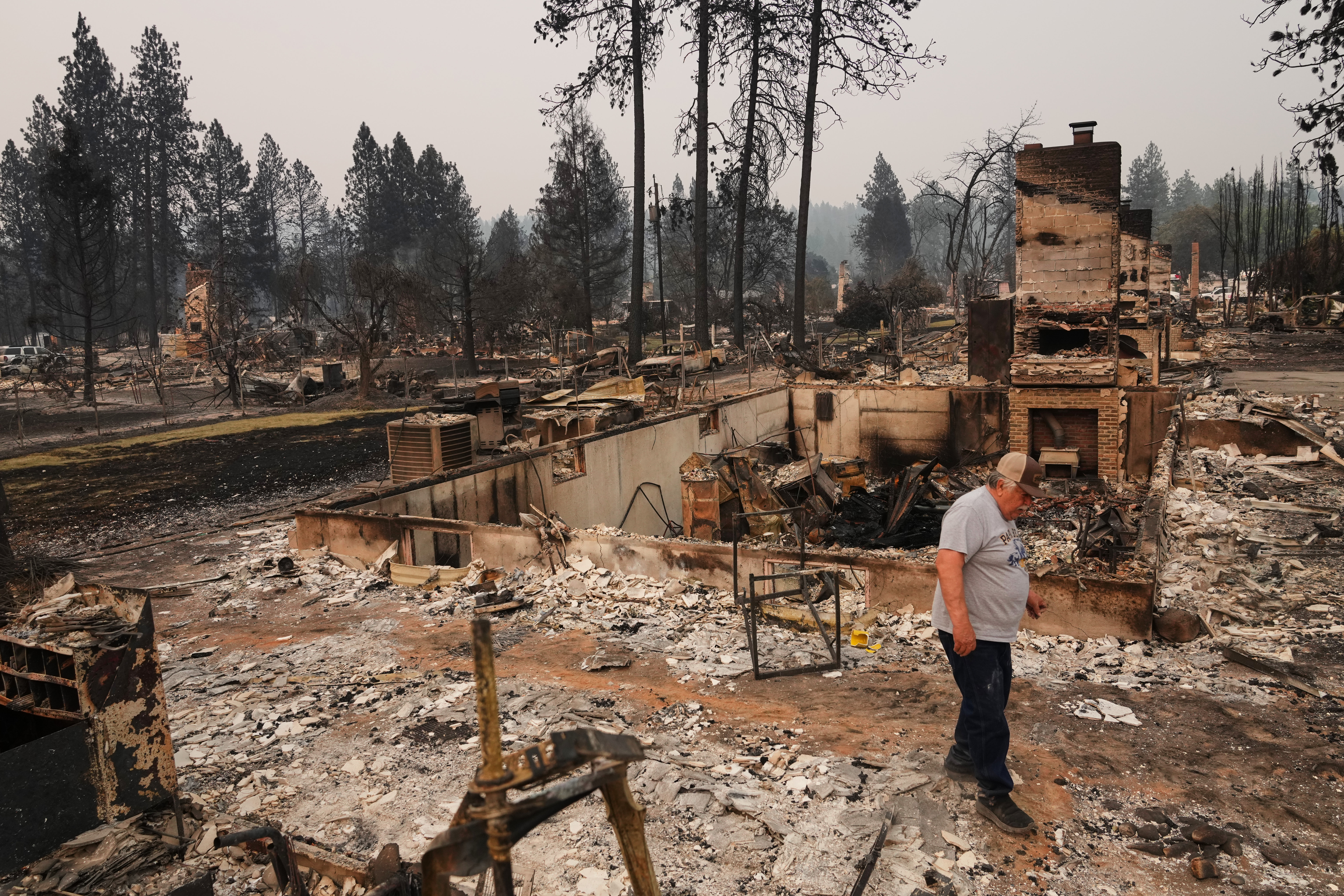
Fire behavior experts note that while no single grant can stop a wind-driven inferno, the absence of preventative work narrows the margin for error. In the Methow Valley, the fire has burned through dense, unmanaged stands of ponderosa pine and underbrush, terrain that had been flagged as a priority for treatment under the delayed grant. Evacuation orders remain in effect for several communities, and the fire is currently listed at zero percent containment.
The episode has ignited fresh criticism of the federal bureaucracy's ability to respond to climate-driven disasters, with state lawmakers calling for an independent review of how policy disputes are allowed to interfere with public safety funding. For the residents who have fled their homes, however, the review offers little solace. They are left to calculate the distance between a conference room in Washington, D.C., and the fire line in their own backyards, a distance that proved, this summer, to be tragically consequential.