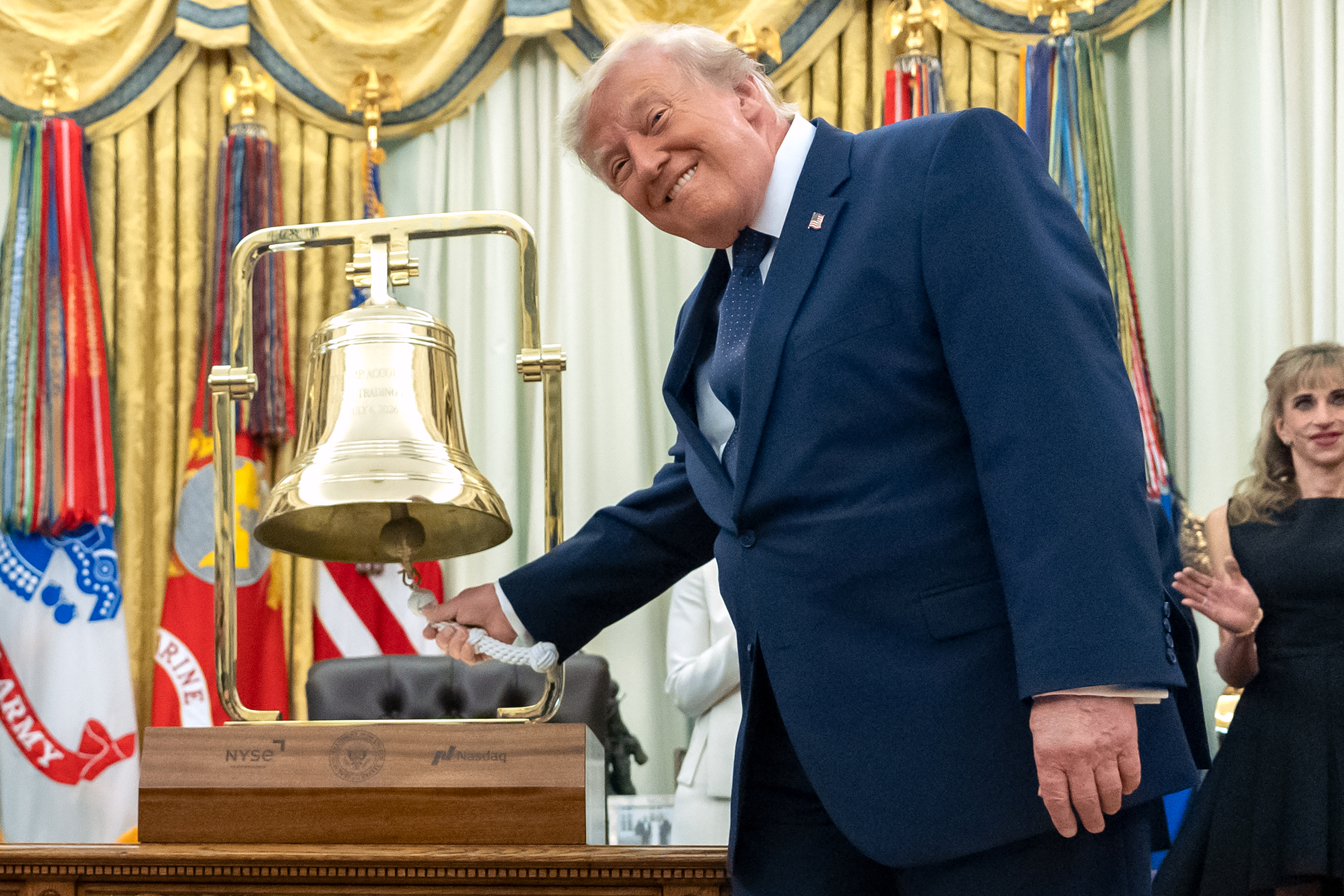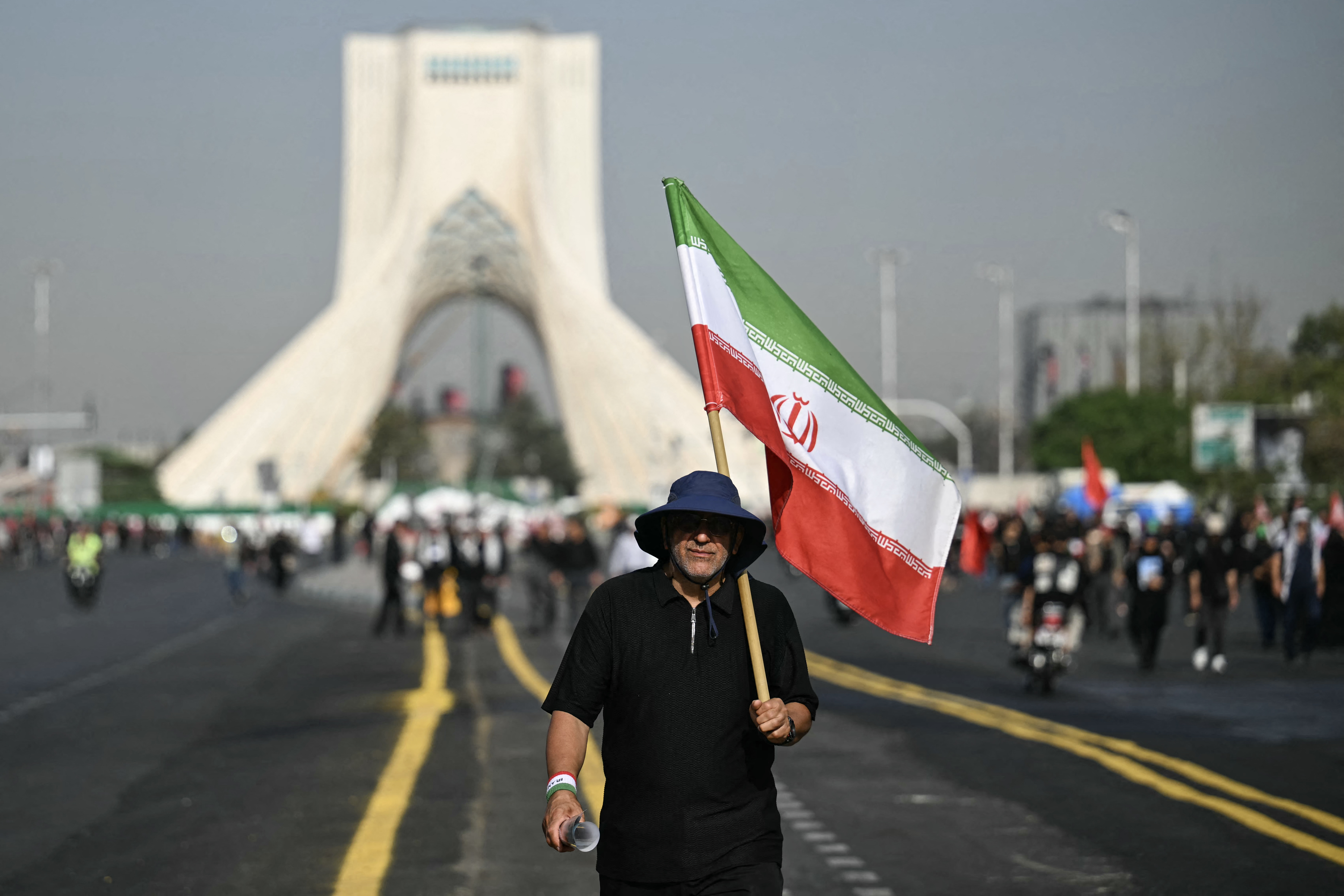
In strategy sessions across Washington, the initial confidence has curdled into a recognition that the conflict has entered a new and more dangerous phase, one that military planners are privately describing as a quagmire with no clear exit ramp.
The debate is no longer about whether to strike, but how to define victory in a theater where the adversary controls the tempo. Three distinct camps have formed within the administration and its advisory circles, each offering a path forward that carries risks as grave as the current stalemate. The factions are divided not by ideology, but by their assessment of what the United States can actually achieve in a country with deep historical resistance to foreign intervention.
The first camp advocates for a rapid escalation, arguing that only overwhelming force can compel a change in behavior from Tehran. Proponents point to the need to destroy Iran's nuclear infrastructure and missile capabilities in a single, decisive campaign. However, this approach carries the risk of igniting a wider regional war, drawing in proxies from Lebanon to Yemen, and potentially disrupting global oil supplies in a way that would cripple the world economy.
The Limits of Pressure and the Pull of Retreat
A second, more cautious faction urges a return to maximum pressure through economic sanctions and covert operations, a strategy that seeks to strangle the regime without committing further American blood. This camp argues that time is on the side of the Iranian people, whose discontent with their rulers could eventually force a change from within. The downside, critics note, is that this approach has been tried for decades without producing the desired collapse, and it offers no immediate answer to the current military standoff.
The third camp, the smallest and most quietly spoken, proposes a managed de-escalation, a face-saving formula that would involve cease-fire negotiations and a relaxation of some sanctions in exchange for verifiable limits on Iran's nuclear program. While this is the only path that avoids further bloodshed, it is politically toxic at home, where any hint of concession is framed as appeasement. The architects of this plan acknowledge that it would likely be rejected by the current administration, which has staked its credibility on a posture of unyielding strength.
The paralysis is compounded by a lack of reliable intelligence on the ground, with assessments of Iranian military readiness and public morale varying wildly between agencies. What is clear is that the conflict has already achieved what years of diplomacy could not: it has unified the Iranian public behind their government, at least for now. The window for a swift and clean outcome has closed, and the options now range from the catastrophic to the politically impossible.
As the weeks drag on, the cost of the campaign continues to mount, not just in dollars but in strategic attention diverted from other global flashpoints. The question looming over the internal debate is no longer how to win, but how to avoid losing, a distinction that has historically proven to be the defining feature of a quagmire. The United States is learning, once again, that the map of the Middle East is littered with the wreckage of well-intentioned plans that met the reality of Iranian resilience.