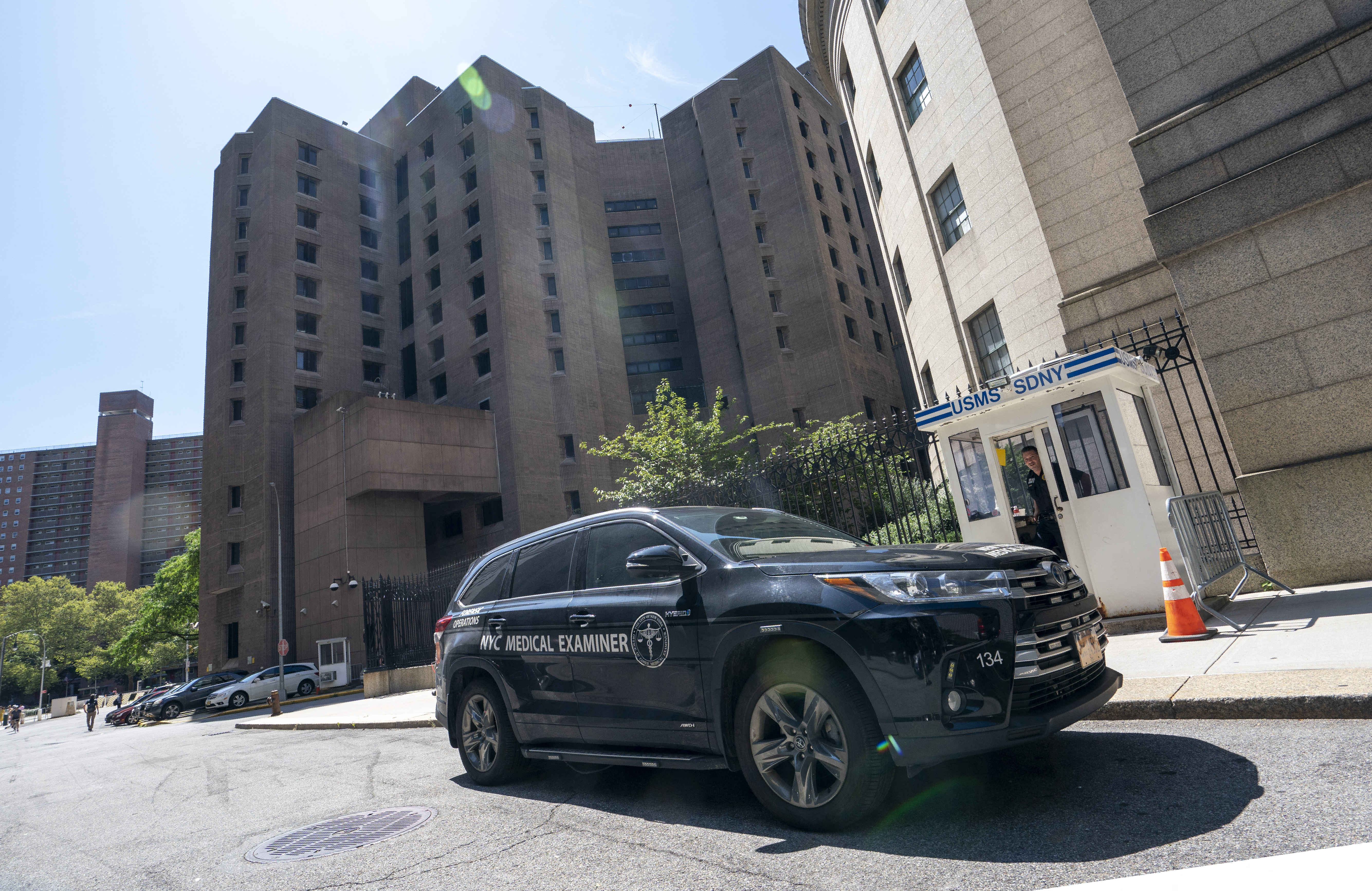
His apparent suicide at the Metropolitan Correctional Center was, for many of his powerful associates, a merciful silence. Instead, it proved to be the detonator. Seven years later, the silence has been replaced by a roar of litigation, documentary scrutiny, and a public reckoning that has ensnared financiers, royals, and former presidents in ways that seemed unthinkable when the investigation was abruptly shelved.
The immediate aftermath of Epstein’s death was a scramble for damage control. Federal prosecutors were left holding a mountain of evidence without their primary defendant, and victims were left without the catharsis of a trial. Yet the vacuum created by his absence did not swallow the truth; it gave it space to expand. With Epstein unable to invoke the Fifth Amendment or spin his narrative, the focus shifted to the enablers and beneficiaries of his operations, forcing a reluctant establishment to answer for its proximity to a predator.
What the public initially understood as a sordid tabloid tale has matured into a structural critique of institutional failure. The scandal has moved beyond the specifics of private jets and island visits to a broader examination of how wealth insulates criminality. Court documents unsealed in subsequent civil cases have peeled back layers of complicity, revealing a pipeline of vulnerable young women that was not merely tolerated but facilitated by a cadre of lawyers, fixers, and socialites who treated the operation as a perk of the elite class.
An Unfinished Reckoning
The legal landscape has shifted dramatically since that August morning. While Epstein’s death foreclosed criminal prosecution of the man himself, it opened the door for civil actions that have proven more durable. Victims, once dismissed as unreliable narrators, have been granted a credibility that was absent during the first iteration of this case in 2008, when a lenient plea deal allowed Epstein to walk free. That earlier miscarriage of justice is now viewed not as an anomaly, but as the blueprint for how the powerful evade consequence.
The ripple effects have reached the highest echelons of power. Figures who once brushed off associations with Epstein as fleeting social encounters have found themselves compelled to testify or return donations, their reputations frayed by the relentless drip of discovery. The scandal has become a generational marker, a dividing line between a past where such behavior was quietly managed and a present where digital trails and survivor advocacy make erasure impossible.
Indeed, the irony is inescapable. The death that was supposed to bury the truth has instead become the cornerstone of its survival. Epstein’s absence from the courtroom has allowed the narrative to be controlled by the women he victimized, rather than by his legal defense team. Their testimony, consistent and corroborated across decades, has painted a portrait of a man who was merely the most visible node in a vast web of corruption, a web that remains intact even with its architect gone.
Seven years on, the scandal is more consequential than ever, not because of what was revealed in a single bombshell, but because of the slow, grinding persistence of accountability. The case has evolved from a criminal matter into a cultural touchstone, forcing a re-evaluation of the systems that allowed such predation to flourish. The truth, it turns out, does not require a living witness to speak. It only requires that someone, eventually, is willing to listen.