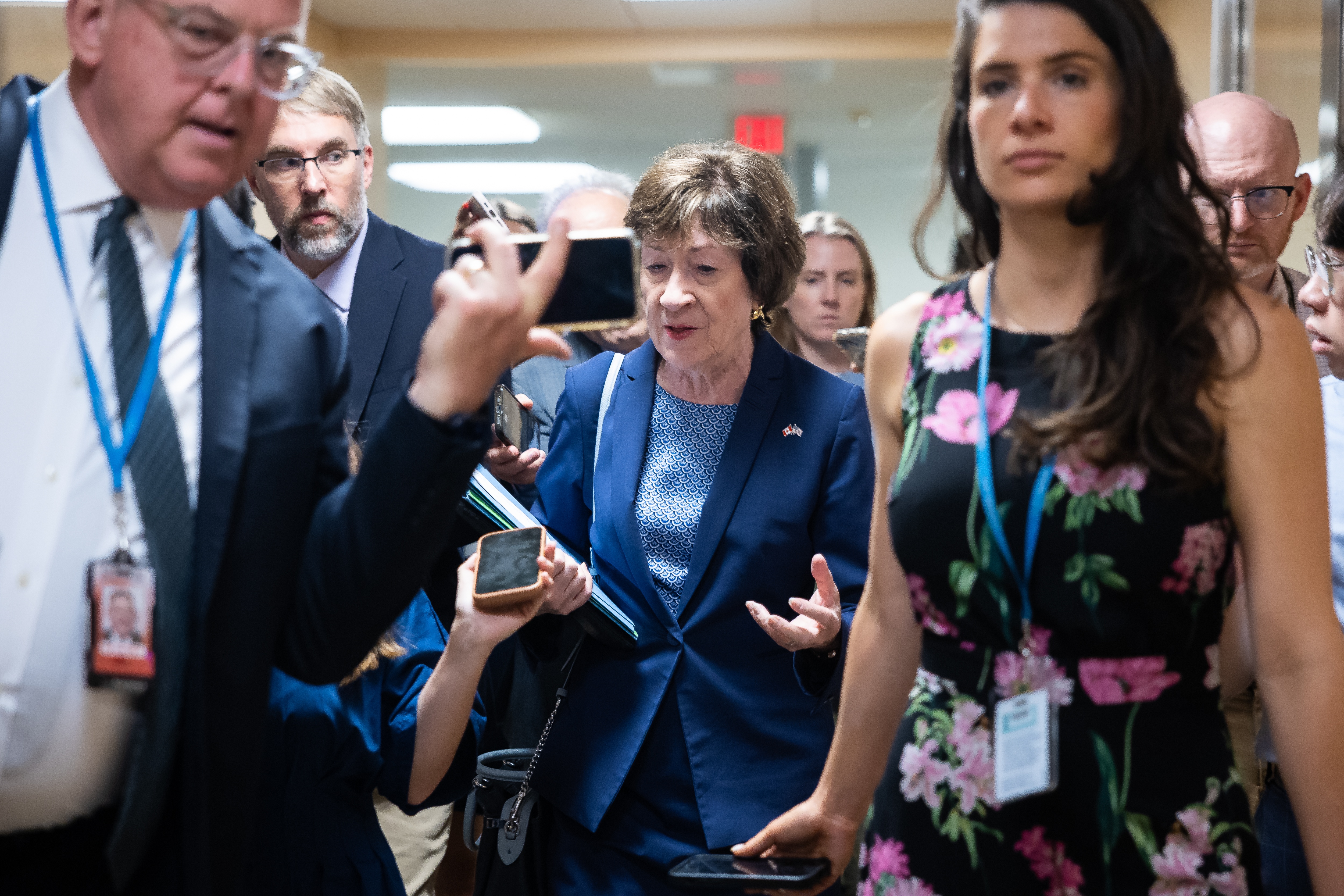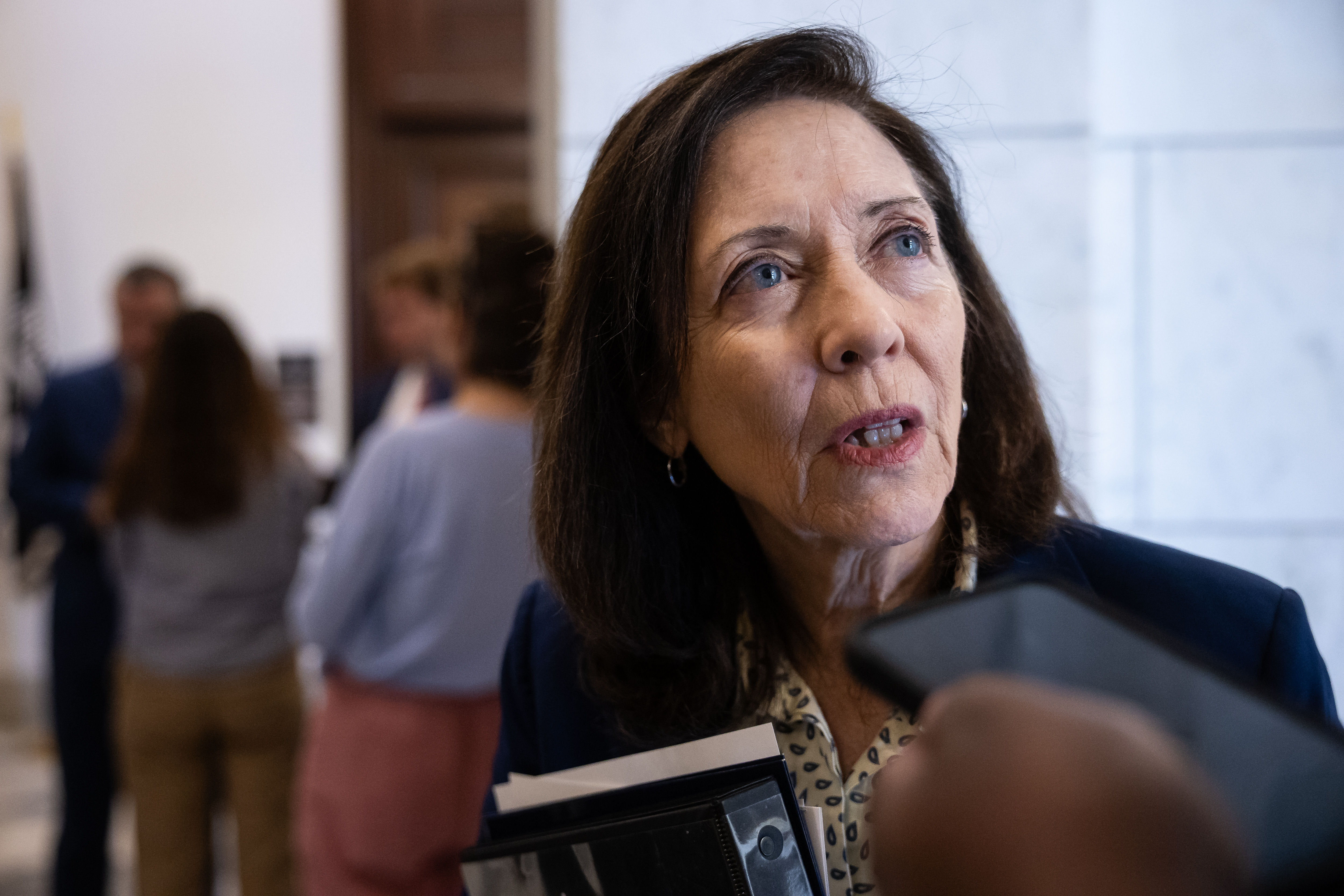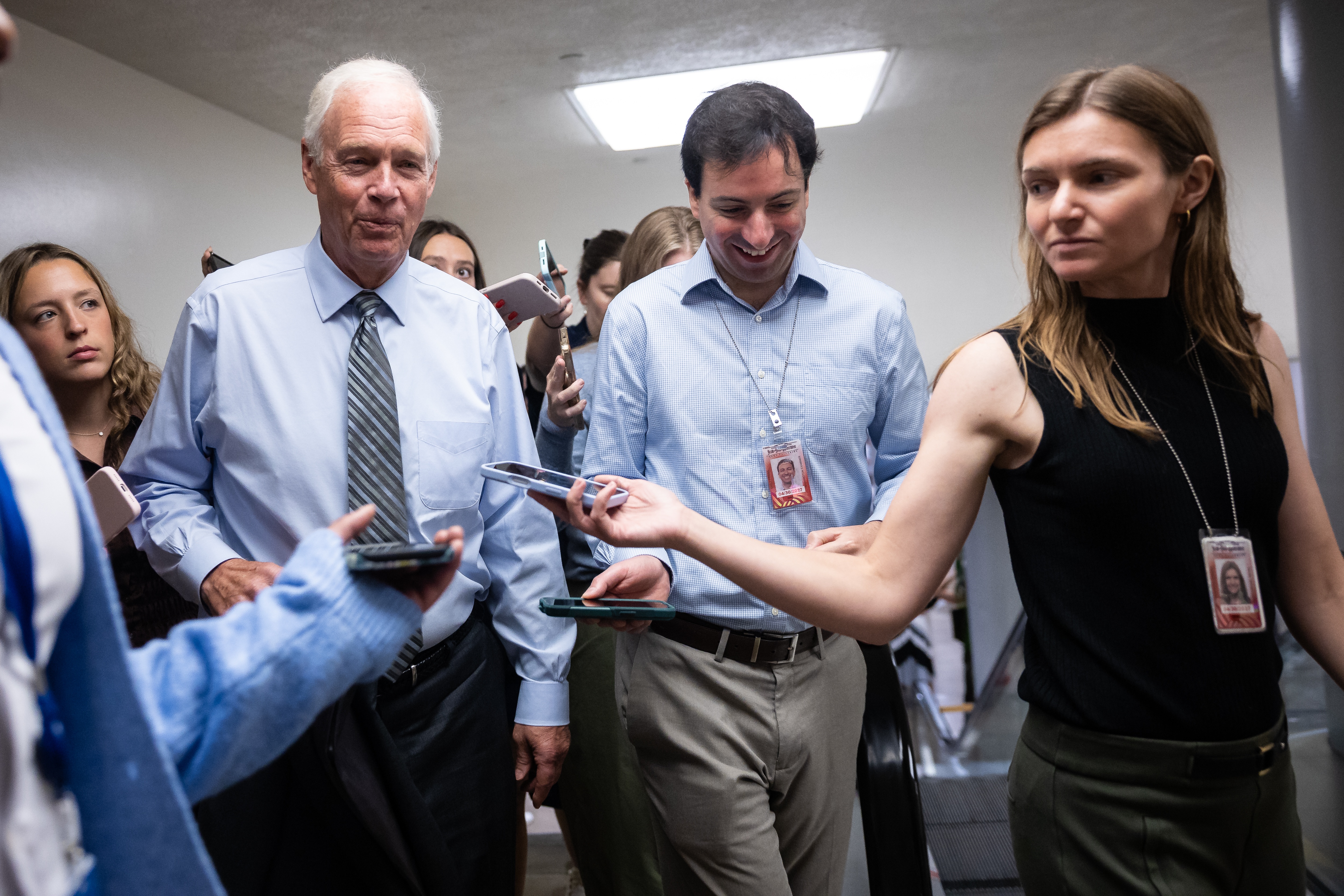
The compressed timeline follows a late-stage agreement between Republican leadership and President Trump, which unlocked the path forward after days of stalled negotiations over spending levels.
Lawmakers are expected to vote on a motion to proceed to the funding bill shortly after a procedural hurdle is cleared, with a final passage vote anticipated later tonight. The measure, which funds the government through the end of the fiscal year, represents a significant concession from the White House, which had initially pushed for a longer-term continuing resolution that would have deferred contentious spending decisions until after the November election.
The deal, struck behind closed doors between Senate Majority Leader John Thune and the President, effectively ends a standoff that had threatened to force a partial government shutdown at the end of the week. Sources familiar with the negotiations say the final agreement trims approximately $6 billion from the original proposal, a figure that fell short of what hardline conservatives had demanded but was sufficient to secure the necessary votes from centrist Republicans.
With the spending bill teed up, the chamber is now turning its attention to the confirmation of Blanche, Trump's pick to lead the Justice Department. The former federal prosecutor, who served as a lead defense attorney in the President's hush-money trial, is expected to be confirmed along party lines, with no Democrats signaling support. A final vote on his nomination is scheduled to follow the funding bill, a sequencing that leadership hopes will allow senators to depart by late evening.
A Race Against the Clock
The dual votes represent a frantic end to a week that began with considerable uncertainty. Senate Democrats, largely unified in opposition to the spending measure, have criticized the bill for failing to address domestic priorities, but they have not mounted a filibuster, recognizing the political futility of forcing a shutdown over the compromise.
For Thune, the successful navigation of the funding fight marks a critical early test of his leadership, particularly his ability to manage a narrow majority while keeping the President aligned with congressional timelines. The agreement, while praised by moderates as a pragmatic solution, has already drawn ire from fiscal hawks in the House, who argue the Senate caved to White House pressure on several key provisions.
As the evening session unfolds, staffers are already preparing for a swift adjournment, with the Senate clerk expected to gavel out immediately following the Blanche vote. The quick exit will give senators a brief reprieve before returning for what is expected to be a contentious debate over must-pass defense authorization legislation later this month.