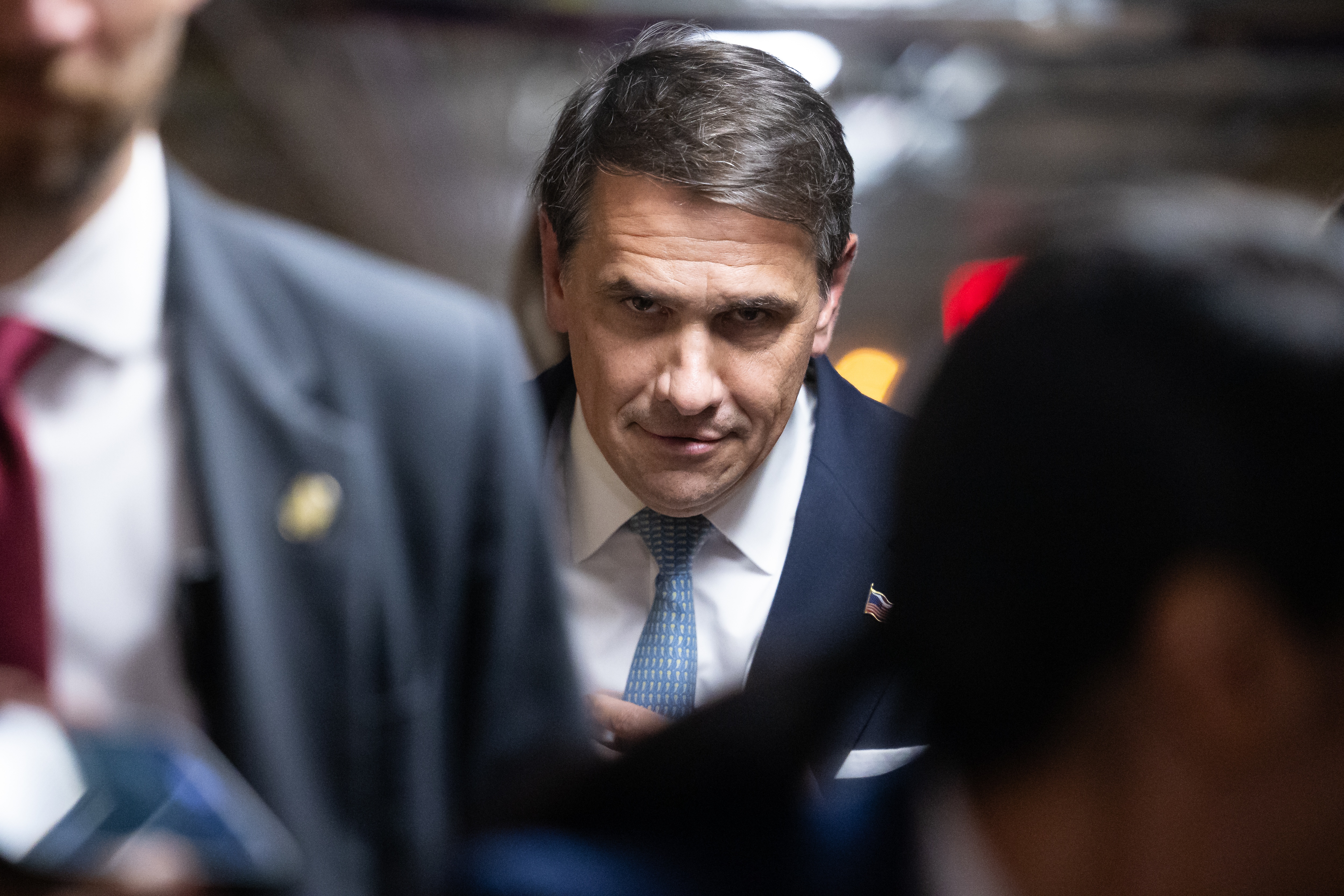
Senator Bill Cassidy, the Louisiana Republican who had remained the most prominent source of intraparty skepticism, announced his support earlier in the day, providing the crucial final vote that unlocked the nominee's path to the Justice Department's top job. Cassidy's decision broke a logjam that had threatened to derail the nomination and forced the White House to expend significant political capital to secure a victory.
The confirmation represents a significant win for the administration, which had staked considerable prestige on seeing Blanche installed. For weeks, Blanche and his allies waged a targeted campaign aimed at addressing the concerns of moderate senators, holding private meetings and fielding calls designed to reassure them about his commitment to the independence of the Justice Department.
That effort chipped away at the initial wall of skepticism, with several senators who had expressed early reservations gradually coming around as the nominee answered hundreds of written questions and submitted to lengthy, often tense, committee hearings. The strategy was methodical, focusing on building personal rapport and offering specific assurances on how he would handle the department's most sensitive investigations.
Cassidy's announcement on Friday was the culmination of that approach. In a statement, he framed his decision as the result of extensive deliberations, citing commitments he received from Blanche regarding the department's operational protocols. His support gave the nomination the bipartisan sheen the administration had sought, allowing it to advance with a measure of consensus despite the early opposition.
A Narrow Path to Confirmation
The final vote was not a landslide, reflecting the deep partisan divisions that have come to define judicial and executive branch confirmations. Blanche's path was considerably narrower than that of some of his predecessors, underscoring the political tightrope he will walk as he assumes control of the federal government's primary law enforcement agency.
Democrats who opposed the nomination argued that Blanche's record and testimony did not sufficiently guarantee the department's protection from political interference. Their unified opposition, however, proved insufficient to overcome the Republican majority once Cassidy was on board, leaving them with little leverage to force further concessions.
Blanche now inherits a department facing a host of pressing challenges, including ongoing oversight of election-related matters and a mandate to restore public confidence in the agency's nonpartisan mission. His first actions in office will be closely scrutinized by both parties, who will be looking for early signals on how he intends to navigate the pressures of the role.