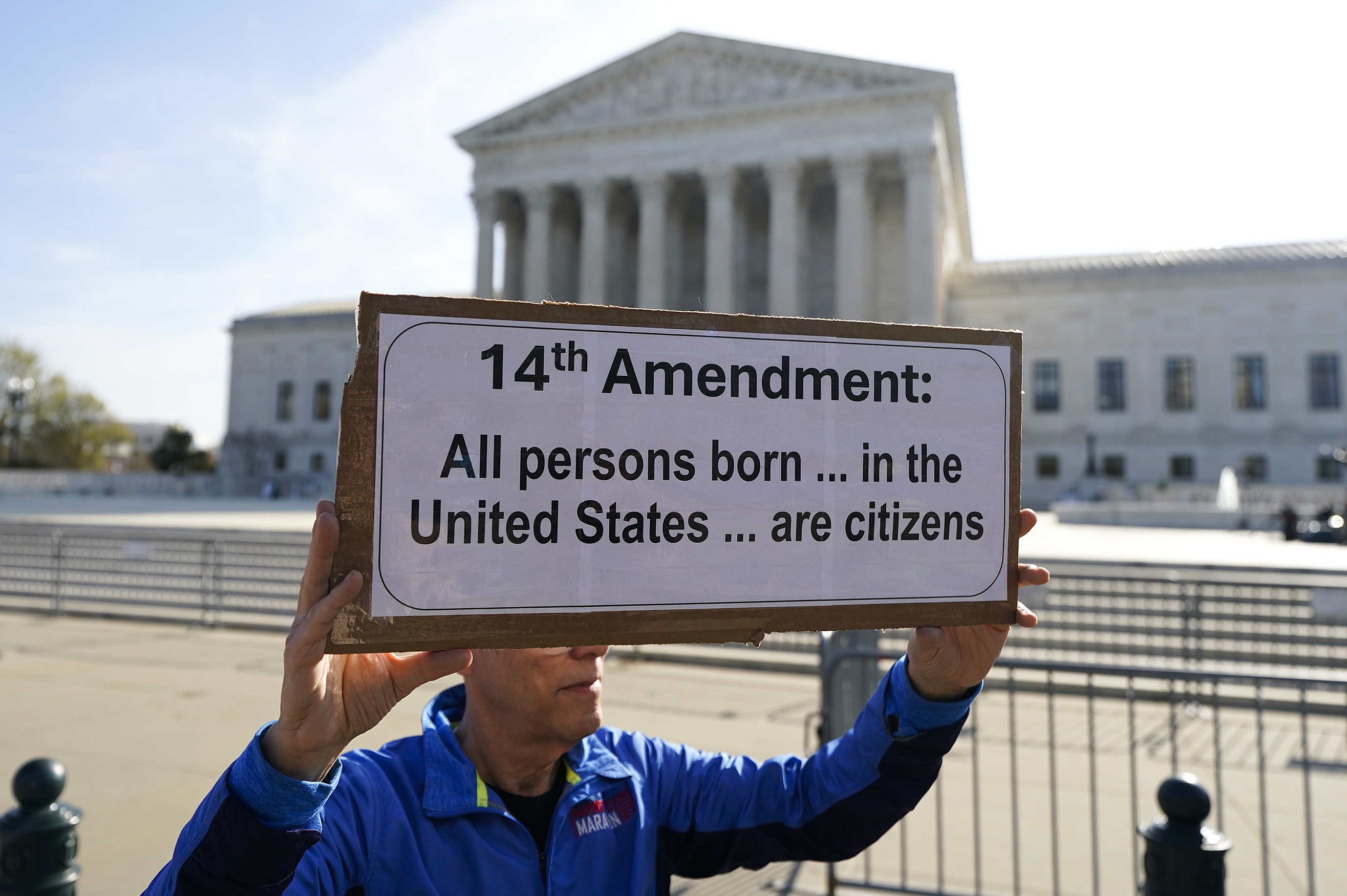
The group, convened by allies of the administration, mapped out a multi-year strategy to challenge the constitutional guarantee, framing the judicial defeat as the necessary spark for a broader political movement.
The meeting, which drew prominent figures from conservative legal circles and immigration restriction groups, focused on shifting the debate from the courtroom to the statehouse and the ballot box. Attendees argued that the Court’s 6-3 decision, which reaffirmed the 14th Amendment’s guarantee of citizenship for those born on U.S. soil, did not settle the matter but rather clarified the battlefield. Their consensus, according to two people familiar with the discussions, was that the loss had energized their base and provided a clear target for future legislative efforts.
The strategy under consideration is not a single piece of legislation but a sustained campaign to reshape public opinion and build a judicial record. This includes drafting model state resolutions that declare an intent to challenge federal citizenship standards, funding academic papers that reinterpret the amendment’s original meaning, and identifying sympathetic judges for future appellate battles. The goal, as one participant described it, is to make the issue a permanent fixture of the conservative platform, akin to the decades-long fight over abortion.
A Shift Toward State-Level Action
Central to the new approach is a pivot away from immediate federal action, which is seen as politically untenable after the Court’s rebuke. Instead, the group discussed using state legislatures as laboratories for testing the limits of federal authority. This would involve passing laws that deny state benefits to children of undocumented immigrants, a move designed to provoke lawsuits that could eventually reach the Supreme Court with a more favorable composition.
The attendees acknowledged the steep climb ahead, noting that amending the Constitution requires a two-thirds majority in both chambers of Congress and ratification by three-fourths of the states. However, they argued that the Court’s ruling, written by Chief Justice John Roberts, left a narrow opening by emphasizing the historical record of the amendment’s ratification. That emphasis, they believe, invites a scholarly re-examination of what the authors intended, a debate they are prepared to fund and amplify.
The meeting’s organizers have already begun circulating a draft “model brief” for use in lower courts, which argues that the 14th Amendment’s citizenship clause was never meant to apply to the children of non-citizens. While legal experts across the spectrum have dismissed this interpretation as fringe, the group’s leadership insisted that the Supreme Court’s conservative majority has shown a willingness to revisit long-settled precedents, pointing to recent rulings on gun rights and affirmative action as evidence.
For now, the immediate focus is on the 2026 midterm elections, where the coalition plans to make birthright citizenship a litmus test for Republican candidates. The strategy includes primary challenges to incumbents who refuse to support a constitutional amendment, as well as a robust media campaign aimed at reframing the issue as one of fiscal responsibility rather than civil rights. The group’s leaders left the meeting with a unified message: the Court’s word is not the final word, only the latest turn in a longer fight.