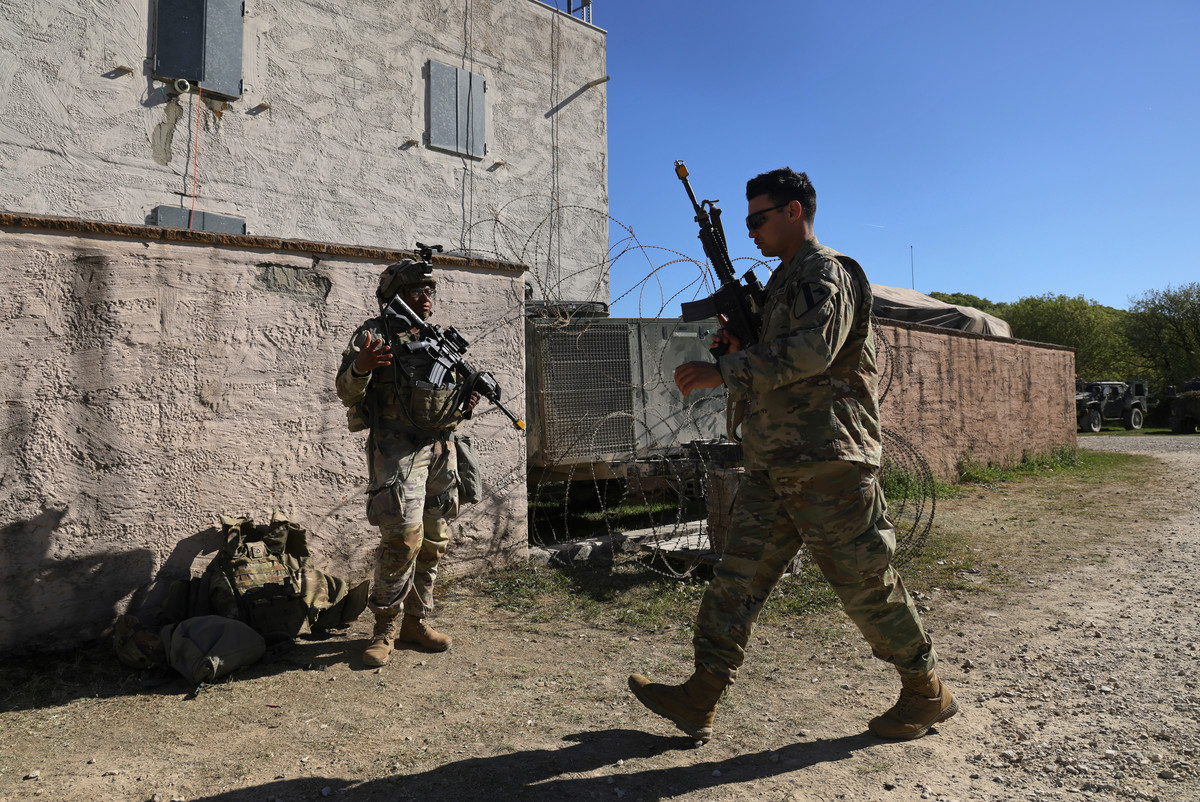
The drawdown, which Pentagon spokesperson Sean Parnell said would be completed within six to twelve months, reduces what had been the largest concentration of U.S. forces in Europe to approximately 33,000 personnel.
The move amounts to a relatively modest reduction of a buildup that began under President Joe Biden following Russia’s full-scale invasion of Ukraine in February 2022. Germany hosts U.S. European Command and Africa Command, and the 38,000 troops stationed there before the order represented by far the largest American military footprint on the continent.
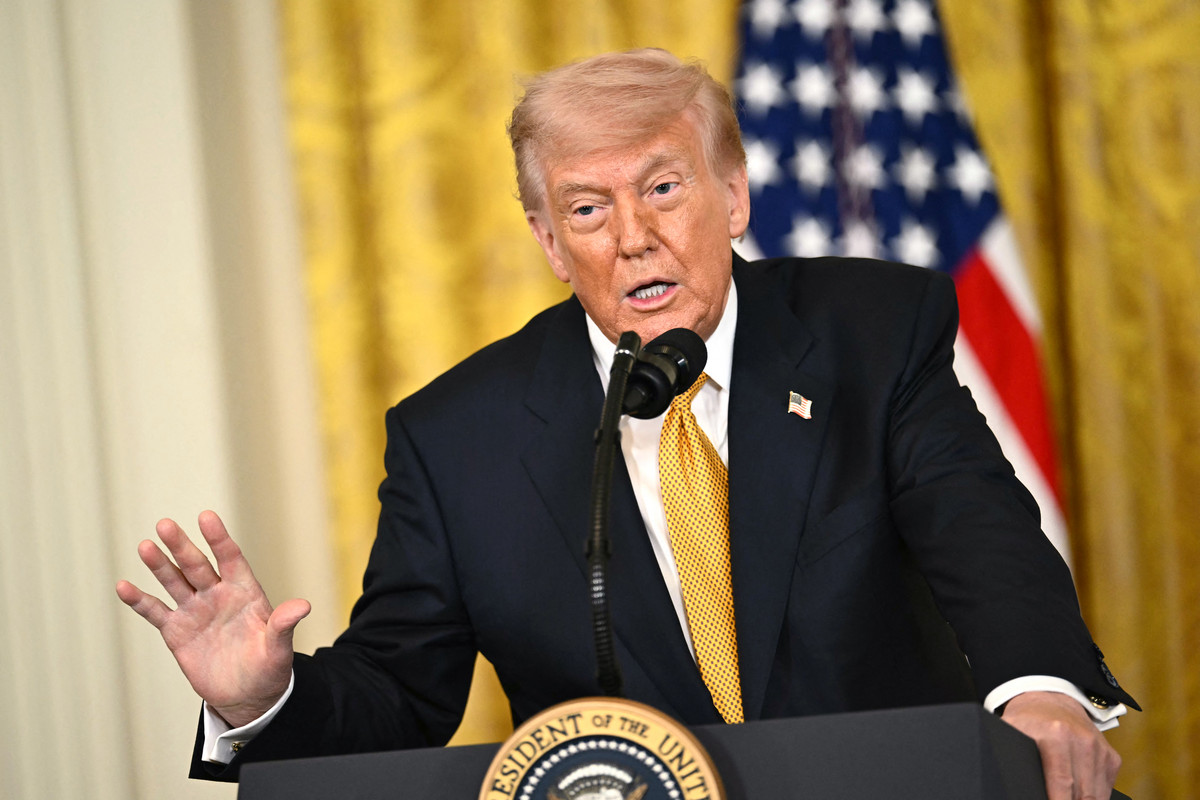
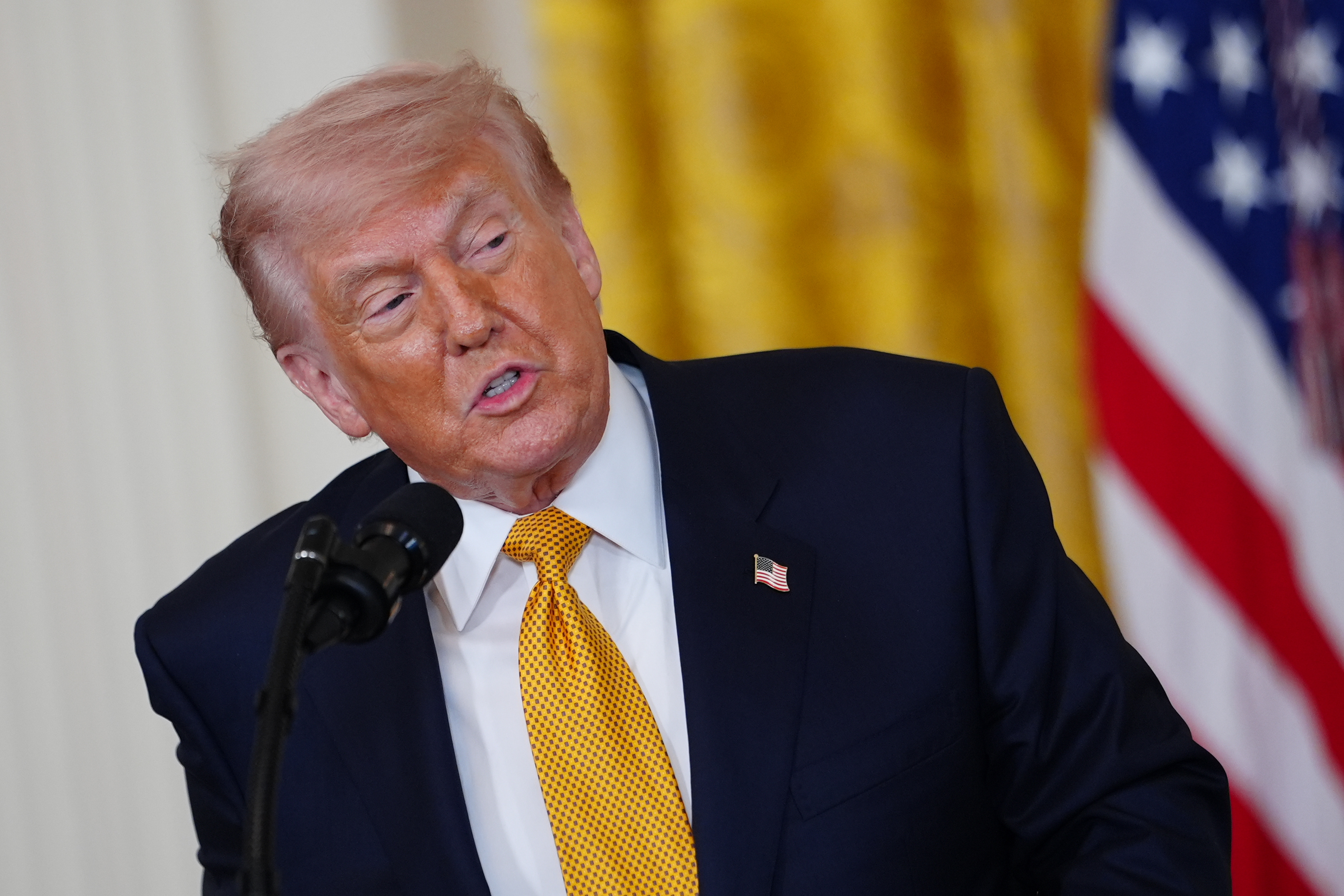
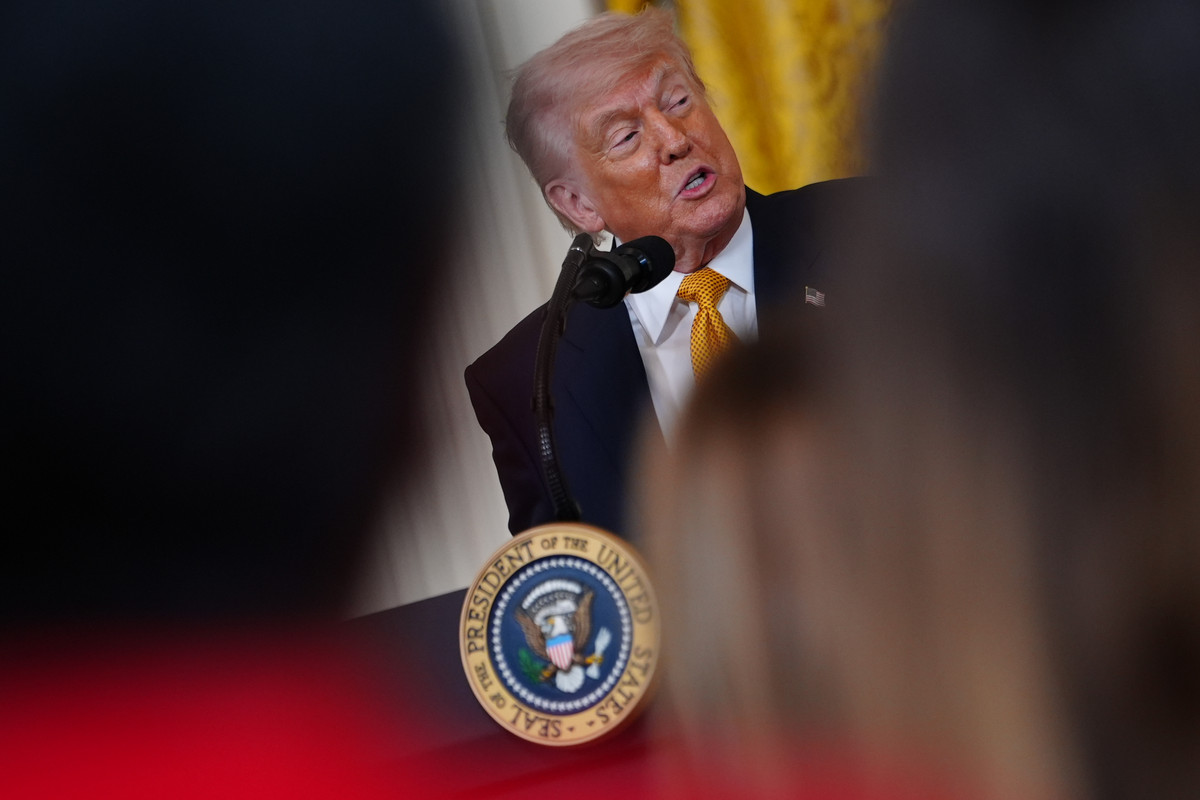
Trump first floated the idea of withdrawing troops from Germany on Wednesday in a social media post, surprising Pentagon officials who had not been briefed on any such proposal beforehand. The president’s frustration stemmed from what he viewed as insufficient support from NATO allies and European partners for the U.S.-led military campaign against Iran, a conflict that has deepened transatlantic tensions.
“The Secretary of War has ordered the withdrawal of approximately 5,000 troops from Germany,” Parnell said in a statement. He added that the decision followed a review of the U.S. troop buildup in Europe and was driven by “heater requirements and conditions on the ground.”
The Pentagon completed a broader review of global military posture earlier this year, but that report did not call for a major reduction in forces stationed in Europe. Trump has repeatedly complained that NATO countries failed to assist the attack on Iran and has warned for months that the United States would pull forces from the continent in response.
The drawdown leaves roughly 33,000 American service members in Germany, still by far the largest U.S. deployment in Europe. Military analysts said the reduction, while significant in political terms, is unlikely to degrade NATO’s overall defensive capacity given the alliance’s broader force structure and the rotation of additional units through the region.
European officials reacted with caution to the announcement, with several noting that the withdrawal appears calibrated to send a political message rather than to achieve a strategic military objective. The decision comes at a delicate moment for transatlantic security, as European allies continue to grapple with the ongoing war in Ukraine and the shifting priorities of the Trump administration.