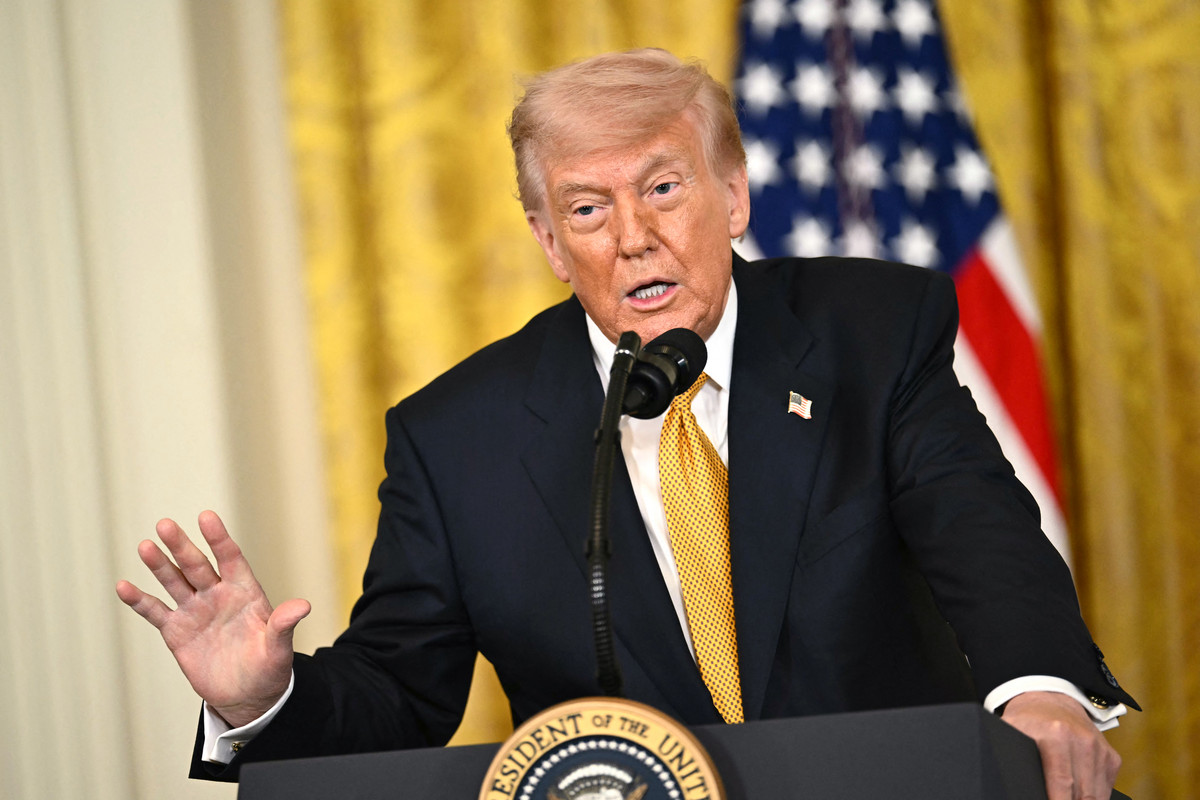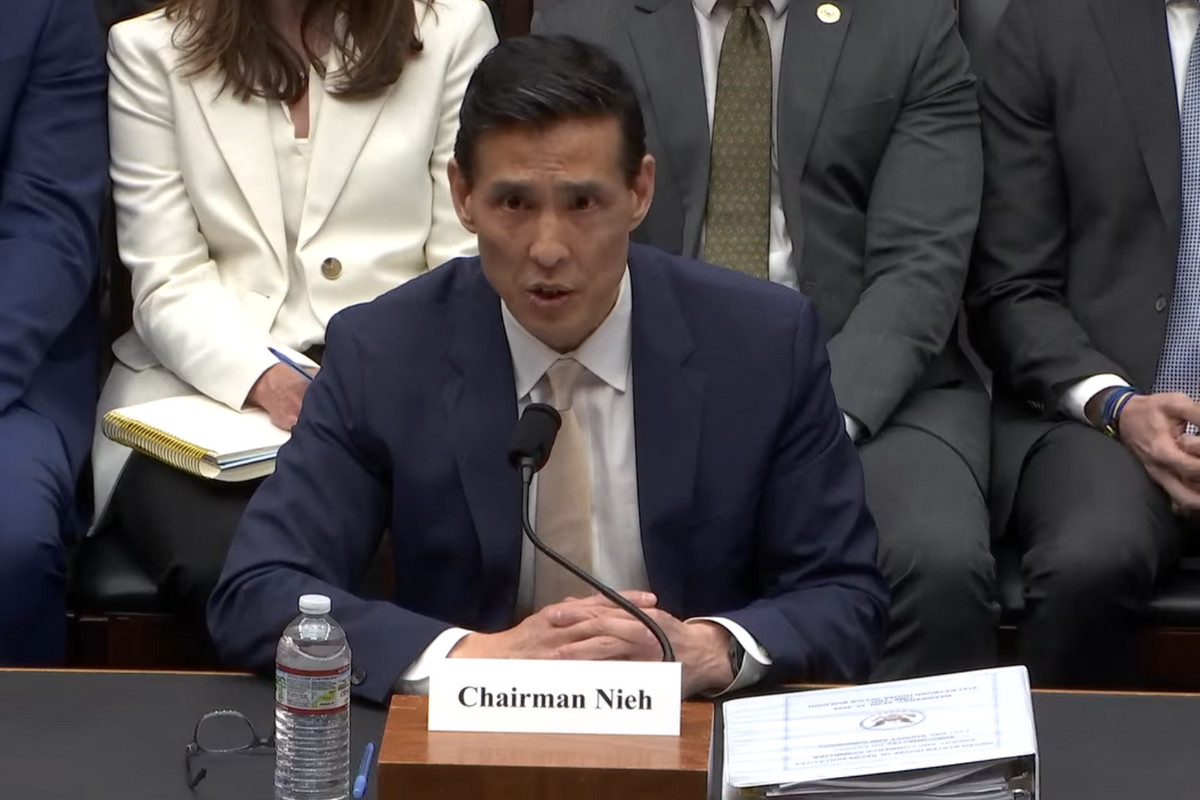
In his first congressional appearance since his confirmation, Nuclear Regulatory Commission Chair Ho Nieh told the House Energy and Commerce Committee that the NRC remains independent and effective. His testimony directly countered allegations from Democratic lawmakers and safety advocates that a series of administrative actions by the Trump White House have compromised the commission's historic role as the global "gold standard" for nuclear safety. The hearing, nominally focused on the agency's budget, became a pointed examination of its autonomy.
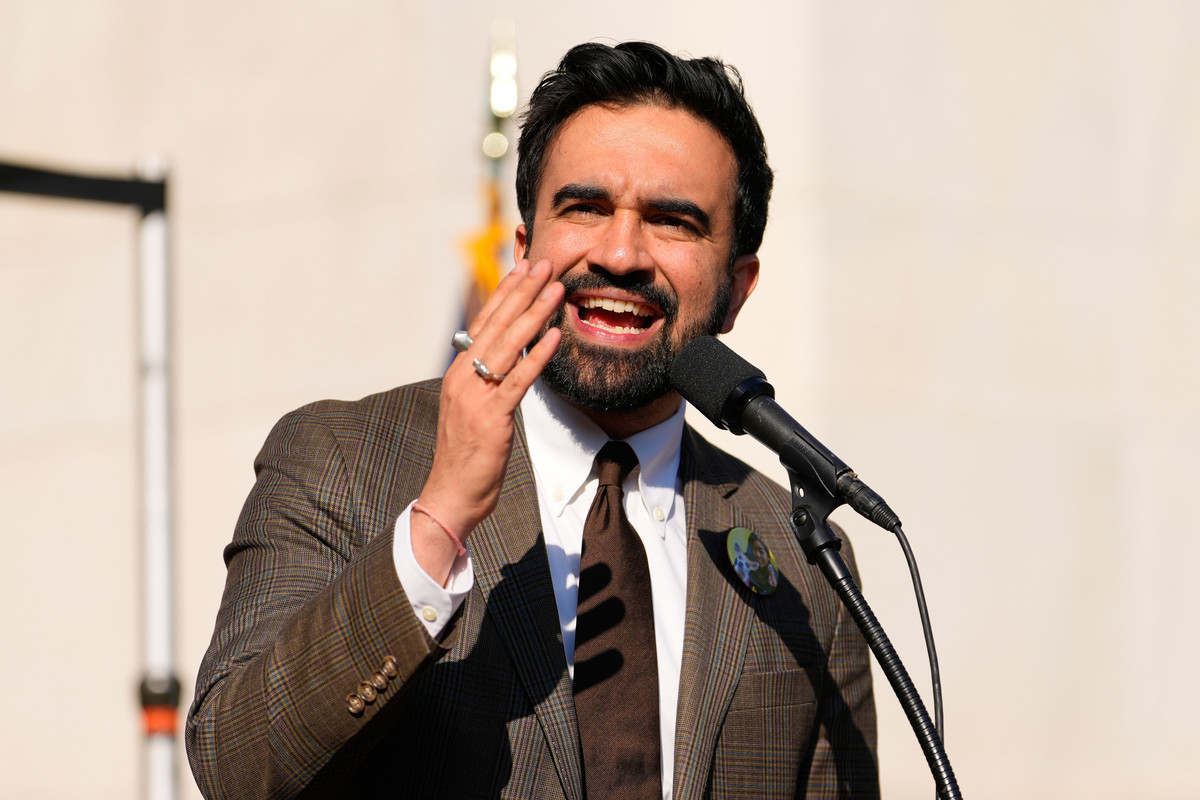
Democrats, led by Representative Rob Menendez of New Jersey, cited staffing cuts and the removal of a Democratic commissioner as evidence of erosion. "Do you believe that Trump’s attacks on the NRC’s independence and staffing cuts undermine public confidence in the NRC and the safety of nuclear energy?" Menendez asked all five commissioners present. The question underscored a deepening partisan divide over the oversight of the nation's nuclear power sector.
Nieh and his fellow Republican commissioners uniformly rejected the premise. Nieh stated he did not believe the agency was under attack, while Commissioner David Wright dismissed the line of inquiry as a "trick question." Their Democratic colleagues, Bradley Crowell and Matthew Marzano, reiterated previous concerns that they serve at the president's pleasure and could be removed without cause, a point Menendez highlighted as contradictory to claims of normalcy.
New Licensing Pathways Raise Concerns
Beyond personnel matters, lawmakers scrutinized substantive policy shifts. Democrats expressed unease over a proposed new licensing pathway that would allow companies to develop reactor designs with the Department of Energy or the Pentagon before seeking NRC approval. Critics fear this could blur the lines between promotional government agencies and the independent regulator, potentially creating shortcuts that dilute safety reviews.
The hearing revealed the NRC navigating a transformed landscape. President Donald Trump has reshaped the commission's composition and shifted some authority to the Department of Energy, while also instituting a White House review process for draft rules. These changes, framed by the administration as streamlining bureaucracy, are viewed by opponents as foundational threats to regulatory rigor.
Ultimately, the session left the core dispute unresolved. While Chair Nieh projected an image of a stable agency executing its mission, the starkly different perceptions between Republican and Democratic commissioners suggested that the NRC's independence, long a matter of bipartisan consensus, has itself become a political fault line. The debate now moves from the hearing room to the practical implications of the new policies being implemented.