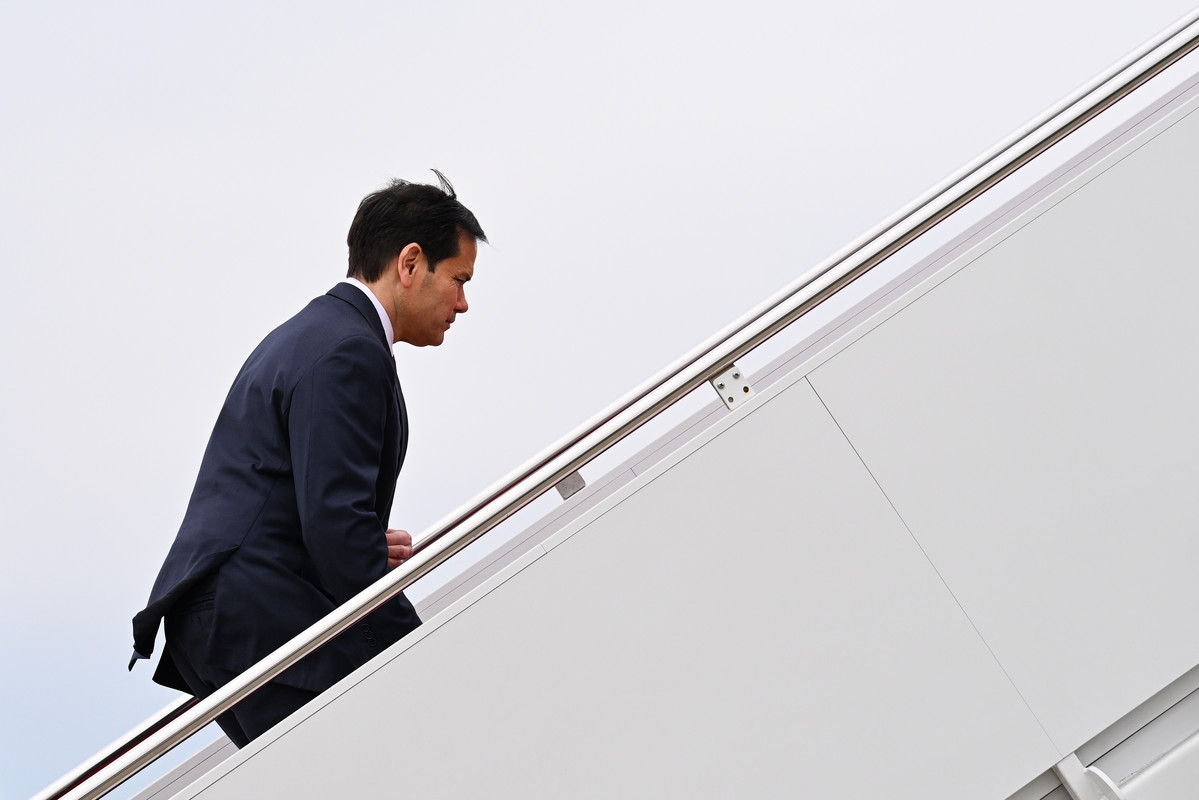
"He's the least crazy," the lawmaker said, explaining the puzzling political immunity enjoyed by Secretary of State Marco Rubio.
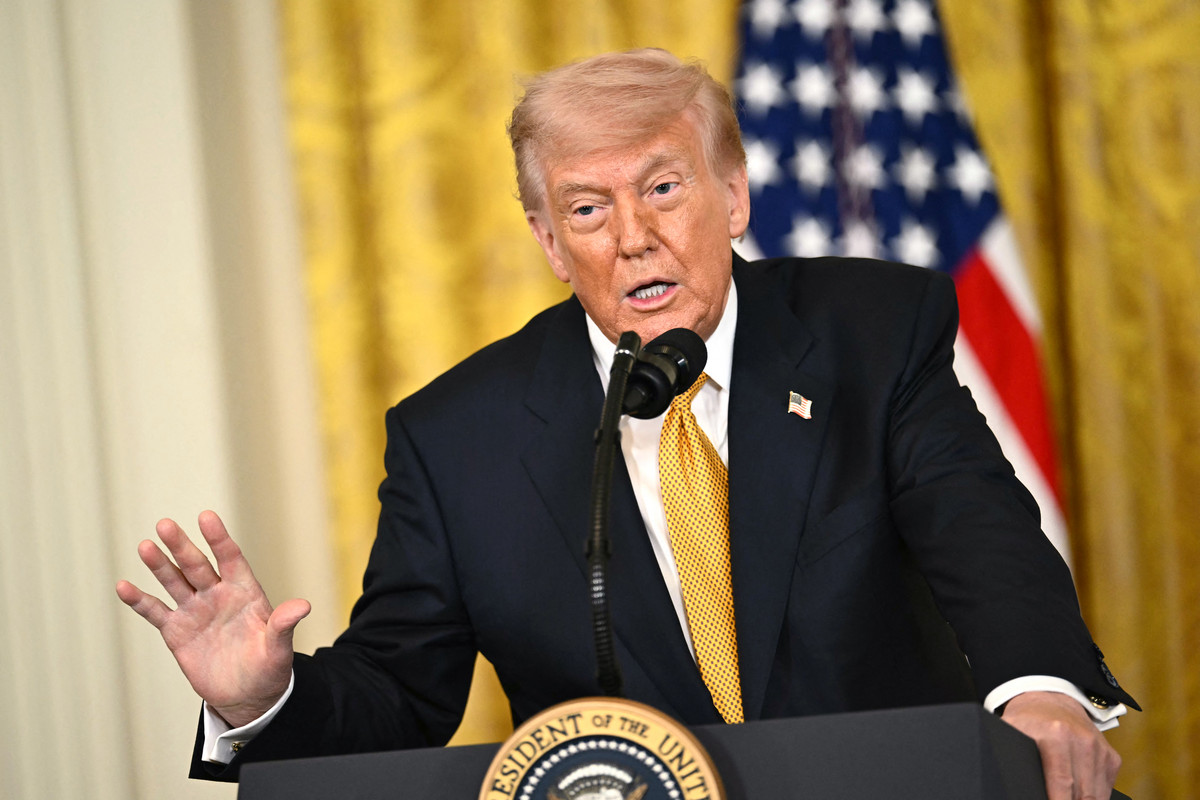
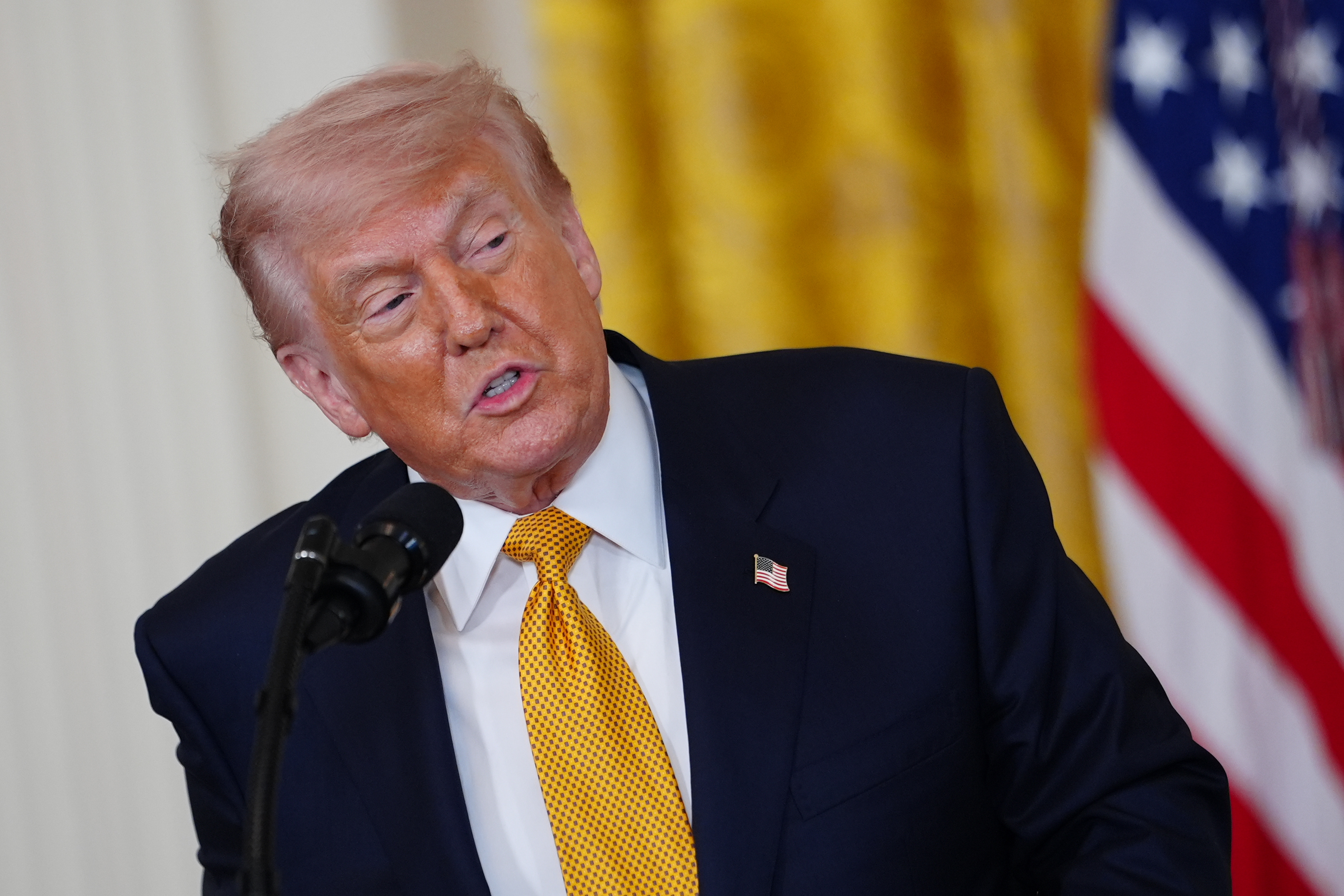
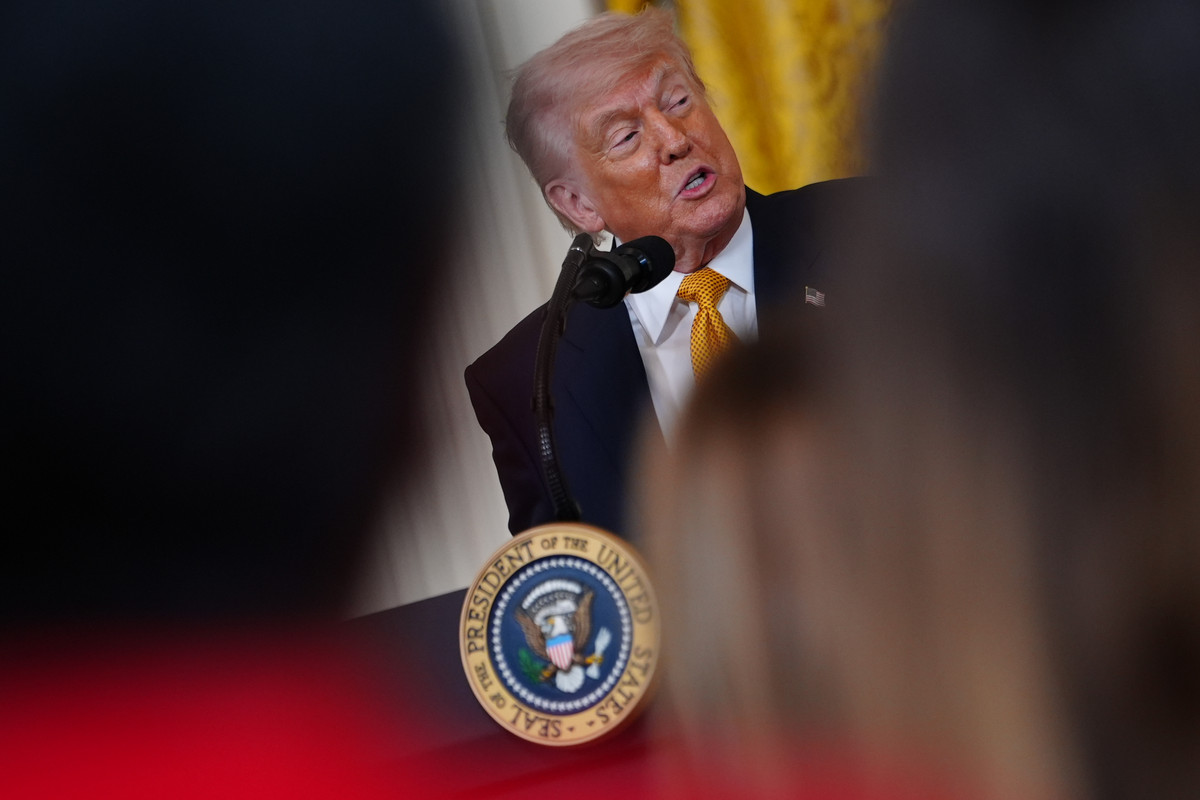
As public anxiety over the expanding war with Iran intensifies, drawing condemnation from across the political spectrum, Rubio’s standing appears curiously insulated. The fiercest criticism has been reserved for President Donald Trump, whose incendiary rhetoric has dominated the narrative. Vice President JD Vance and Defense Secretary Pete Hegseth have also found themselves squarely in the line of fire for their hawkish stances and, in Hegseth’s case, his frequent religious invocations about the conflict.
Rubio’s political fortunes, however, continue to rise within the Republican Party, while Democratic critics have largely held their fire. This is particularly notable given his dual role. For nearly a year, Rubio has simultaneously served as both secretary of State and the acting national security adviser, a position traditionally responsible for ensuring thorough planning and government-wide coordination before major military actions.
From the conflict's outset on February 28, such coordination was conspicuously absent. The administration was unprepared for the rapid spike in global oil prices and a wave of drone attacks targeting American embassies. Senior officials offered contradictory public statements, with intelligence leaders unable to provide a consistent account of the Iranian threat that prompted the war.
The limited criticism Rubio has faced focused on operational failures within the State Department's purview, such as delays in evacuating U.S. diplomats and citizens from volatile regions. He briefly drew ire for suggesting Israel had drawn America into the war, a comment he later retracted. Beyond that, his central role in the war’s planning and execution has sparked little substantive debate.
The Architecture of a Political Halo
Interviews with lawmakers, officials, and analysts point to a clear hierarchy of blame. Trump, as president, remains the primary and most consequential target. "The buck stops with him," one former official noted, making him a simpler focus for opponents than the more complex bureaucratic figure of Rubio.
Furthermore, Rubio benefits from his reputation within the foreign policy establishment. He is often viewed as a more conventional operator compared to colleagues seen as ideological firebrands. This perception, coupled with his long tenure in the Senate, has fostered a degree of bipartisan deference. Curt Mills of The American Conservative magazine acknowledged this dynamic, noting that in Republican circles, there is "a halo around the guy" that makes criticism seem off-limits.
The result is a significant gap in accountability. While the war’s consequences mount, the official who oversaw the national security apparatus in the lead-up to the conflict operates under a unique political shield, his potential failures obscured by the tumult surrounding the president and the perceived radicalism of others in the cabinet.