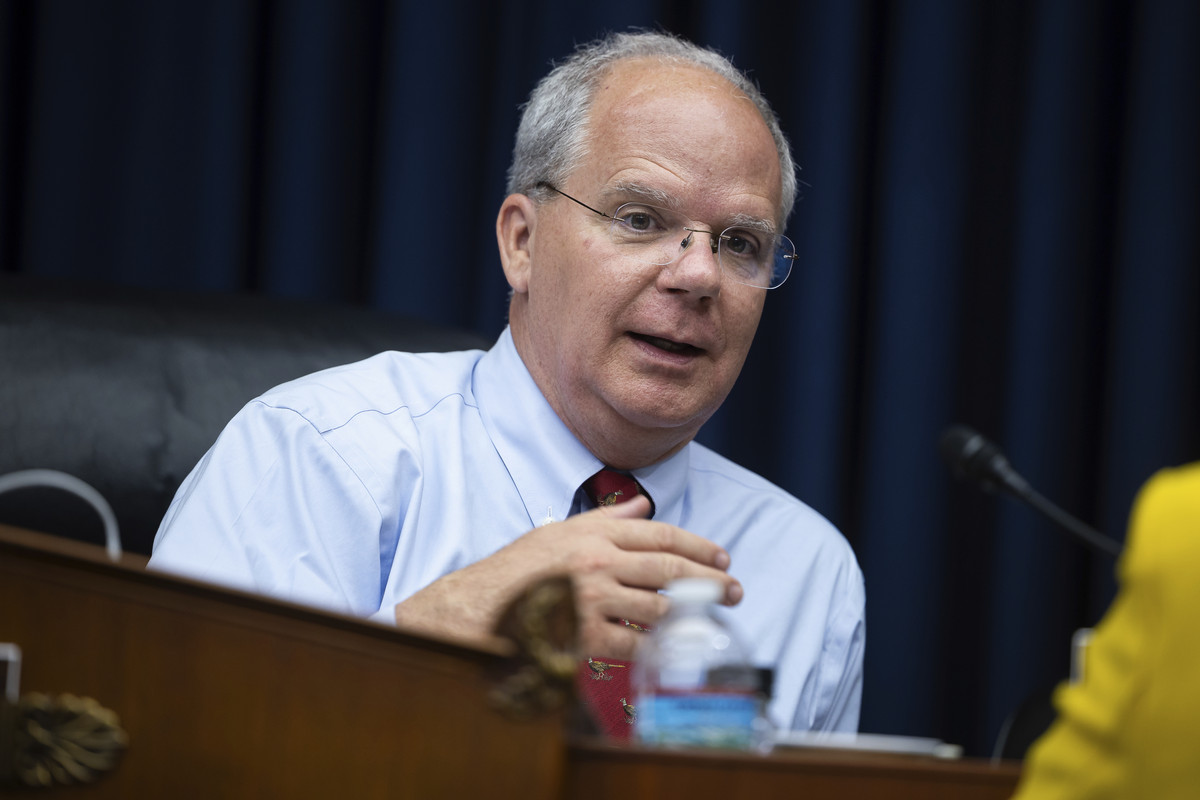
The energy demands of America’s sprawling data centers, he said, should not be shouldered by the families and small businesses paying monthly utility bills. “We all want to make sure that locals don’t bear the burden,” Guthrie, the Republican chair of the House Energy and Commerce Committee, told the room. But the hearing made clear that agreement on the problem is far easier than agreement on a solution.
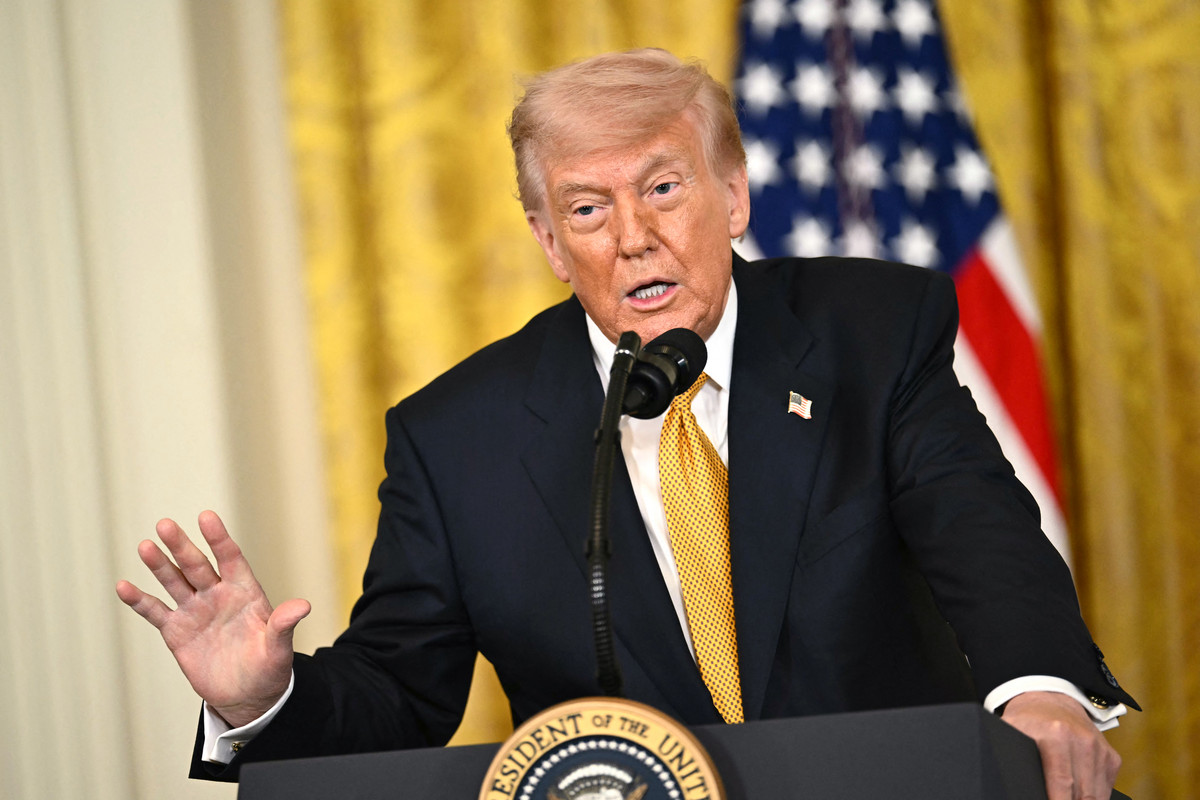
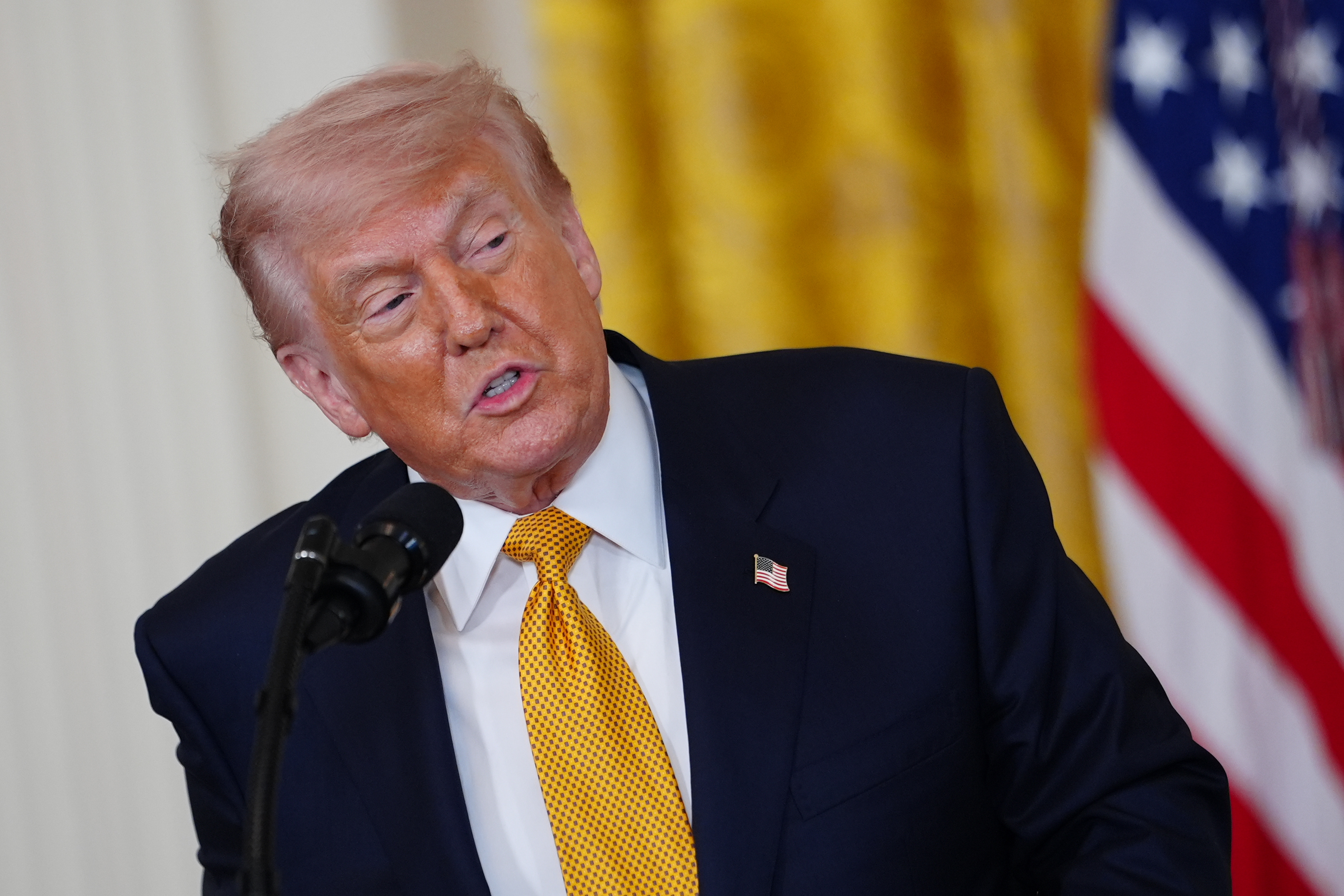
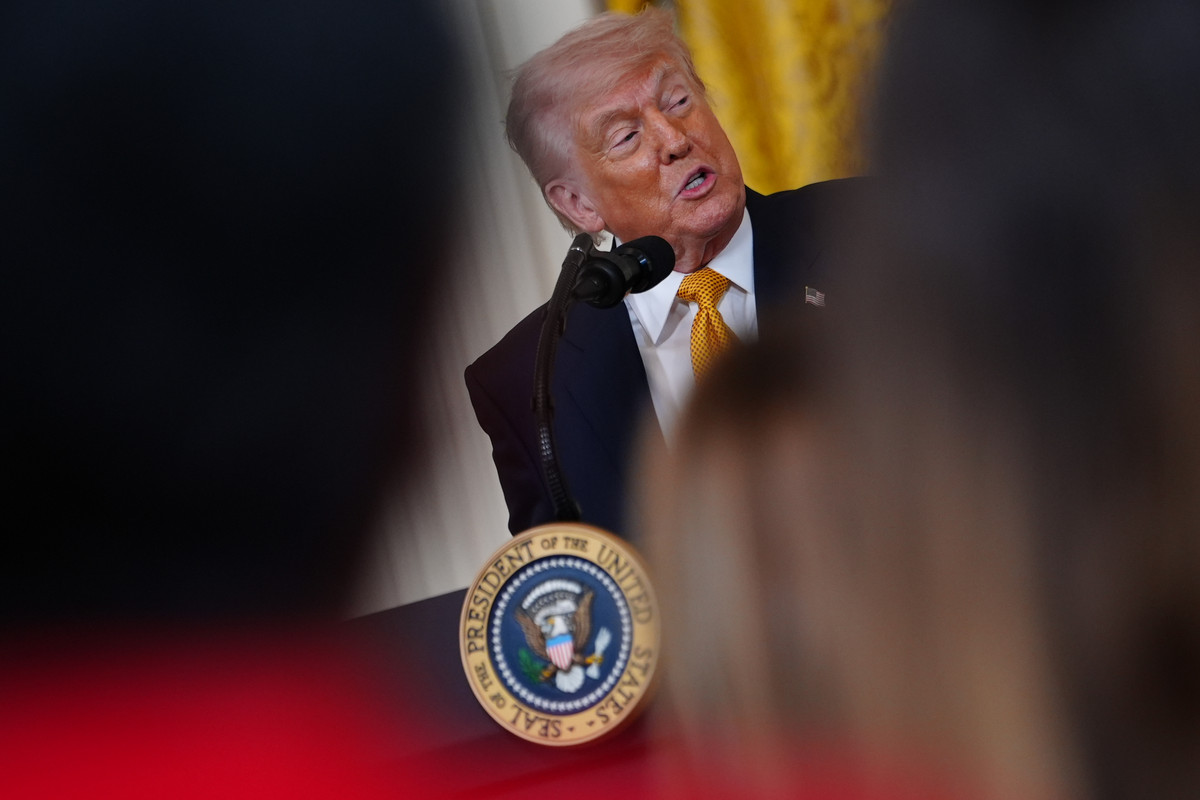
The hearing came as the national conversation around data center energy use has moved from a niche policy concern to a politically charged issue with direct implications for household costs. President Donald Trump has called on Congress to act, and top Republican lawmakers, who once questioned whether federal legislation was necessary, are now exploring their options. Yet the path forward remains uncertain, with no concrete bill ready for a floor vote and significant disagreements lingering over how to structure any new rules.
Guthrie said he was committed to finding legislative “common ground” with Democrats, and he pointed to the “Ratepayer Protection Act” as a potential vehicle. That draft Republican proposal would amend the Public Utility Regulatory Policies Act to address how costs tied to large data centers are allocated. But Democrats, while expressing interest in the concept, raised concerns about the measure’s scope and structure. The subcommittee’s ranking member, Representative Kathy Castor of Florida, suggested the issue could break through typical partisan gridlock. “It matters too much to the folks we represent back home that are just being crushed by higher bills,” Castor said. “So I’m actually hopeful that we can plow some ground on this.”
Representative Diana Harshbarger of Tennessee offered a blunt assessment of the political reality lawmakers face in their districts. “There’s a lot of resistance in rural areas to building those data centers,” she said. “Local mayors and commissioners, they just don’t want them. We need to educate them on why they need them.” Her remarks underscored a broader challenge: even as Washington debates the finer points of utility regulation, local communities are pushing back against the physical presence of data centers, wary of the strain on grids and the limited local benefits they perceive.
The data center boom, driven by the explosion of cloud computing, artificial intelligence, and streaming services, has placed unprecedented pressure on the nation’s electricity infrastructure. Lawmakers on both sides of the aisle agree that the resulting cost increases should not be passed directly to residential and small commercial ratepayers. But the details of how to prevent that outcome remain deeply contested. Republicans have generally favored a lighter regulatory touch, while Democrats have pushed for stronger federal oversight of how utilities and data center operators negotiate cost-sharing agreements.
Beyond the specific question of data centers, the hearing also touched on broader grid challenges that are pushing electricity prices higher across the country. Aging infrastructure, the transition to renewable energy sources, and rising demand from electrification and industrial growth all contribute to the upward pressure on rates. Some lawmakers argued that any legislation focused solely on data centers would be insufficient without addressing these wider structural issues.
Guthrie said he would like to see the “Ratepayer Protection Act” reach the House floor, but he offered no timeline for when that might happen. The committee has scheduled additional hearings, and staff-level negotiations are expected to continue in the coming weeks. For now, the bipartisan agreement that data center costs should not hurt ratepayers remains a shared sentiment rather than a legislative reality.